
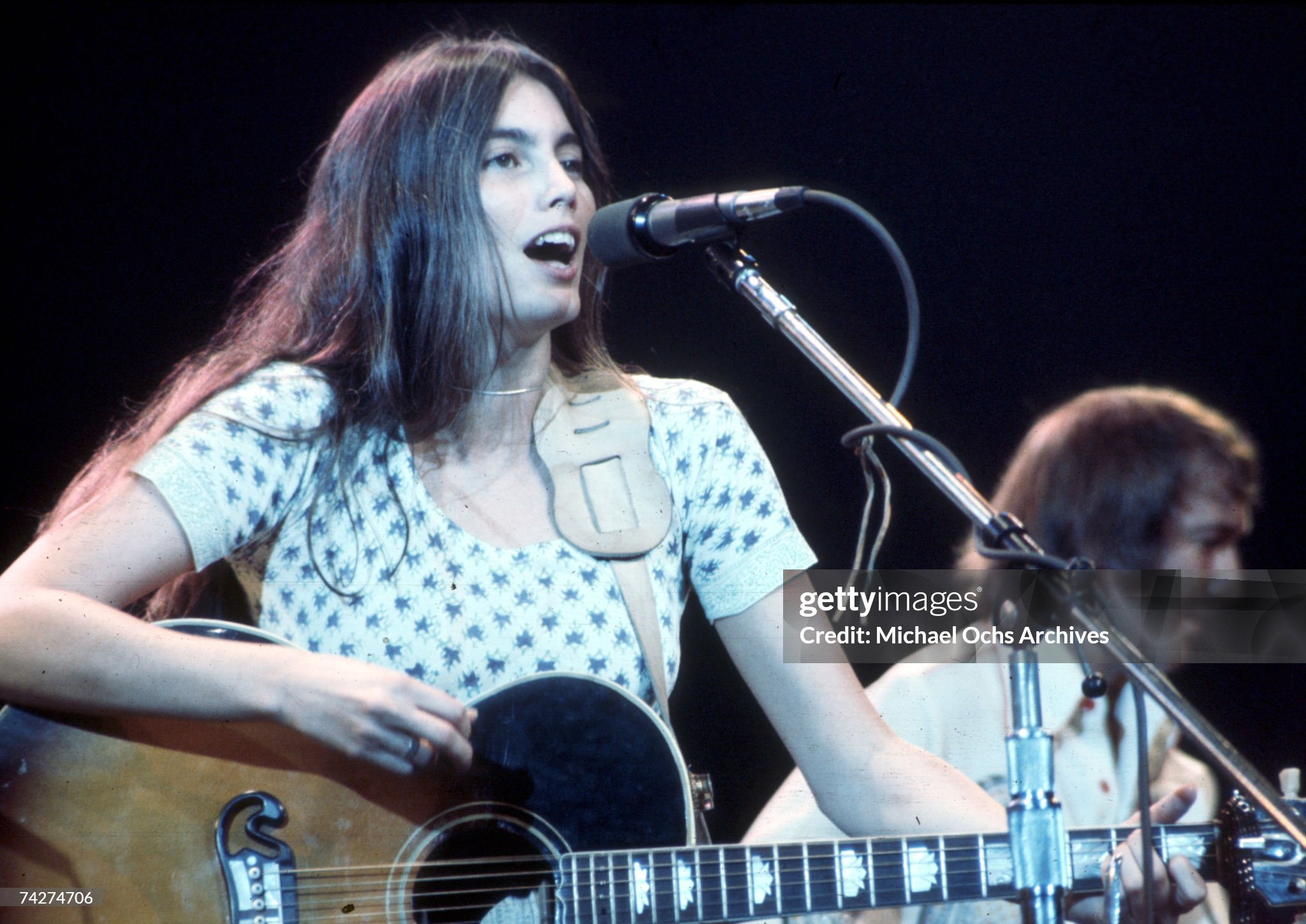
The emotional restraint is the hook, and in “For No One,” Emmylou Harris makes heartbreak feel less dramatic than inevitable — colder, quieter, and somehow even more devastating.
There are songs that cry out in pain, and there are songs that do something much harder: they remain calm. Emmylou Harris’ “For No One” belongs to that second kind of heartbreak. It does not plead, accuse, or reach for the grand gesture. It simply stands there with the truth already settled in the room. That is what gives the performance its pull. The wound is real, but the tears seem to have already dried. What remains is the chill after love has gone missing and the unbearable knowledge that nothing dramatic is left to save. Harris recorded the song for Pieces of the Sky, her major-label debut, released on February 7, 1975, the album that effectively launched her career and introduced the wider country audience to just how singular her voice could be.
The song itself came with a formidable emotional history. “For No One” was written by Paul McCartney and first appeared on The Beatles’ Revolver in 1966, already carrying that famously unsentimental portrait of love after its meaning has drained away. It was never a song built on explosion. Even in its original form, it was remarkable for how little it raised its voice. The heartbreak was presented almost clinically: no false hope, no last-minute reversal, no comforting confusion. Just the dreadful stillness of realizing the other person is already gone in every way that matters. That coldness is the song’s genius, and it is exactly the quality Emmylou Harris understood.
What she brings to it is not theatrical sorrow, but a more fragile kind of finality. In Emmylou’s hands, the song loses any trace of conversational detachment and becomes something even lonelier. Her voice does not harden the lyric; it softens it. Yet that softness does not make the song warmer. It makes it sadder. A harsh singer might turn “For No One” into judgment. Harris turns it into acceptance, and that is far more painful. She sings as though the heart has already understood what the mind is only just admitting. The result is heartbreak without spectacle — the kind that arrives not with slammed doors, but with a silence that will not lift.
That emotional restraint is what makes the song feel so final. Many breakup songs survive on unfinished feeling: anger that still wants a response, longing that still imagines return, grief that still hopes to be answered. “For No One” offers almost none of that comfort. It is a song about the moment when love is not merely wounded but over, and Harris has the discipline not to soften that truth with excess sentiment. She lets the emptiness stay empty. She lets the listener sit inside the coldness of it. And because she trusts the song that much, the performance grows more unsettling with every line.
It also matters that Pieces of the Sky was such an early and defining album in her story. This was the record that announced Emmylou Harris not simply as a beautiful singer, but as an interpreter of extraordinary instinct — someone who could move from country tradition to folk melancholy to pop craftsmanship without ever sounding borrowed. The album included songs by The Beatles, The Louvin Brothers, and Merle Haggard, yet the whole thing still sounded unmistakably like her world. That ability to make very different material feel as though it had been waiting for her is part of what made the record so important, and “For No One” is one of the clearest examples of that gift.
Perhaps that is why the song lingers with such force. Not because it is louder than the rest, and not because it turns pain into a display, but because it refuses to. The restraint becomes the hook. The stillness becomes the tension. The coldness becomes the heartbreak. In a voice as graceful as Emmylou Harris’, that kind of emotional control can cut even deeper than open grief. She does not sing like someone falling apart. She sings like someone who already knows there is nothing left to hold together.
And that is what makes “For No One” so haunting all these years later. It is not heartbreak in flames. It is heartbreak after the fire, when the room is quiet, the air has gone cold, and the truth is finally too clear to argue with. In that space, Emmylou Harris found one of her most piercing performances — not by making the song bigger, but by letting it remain small, exact, and mercilessly still.
