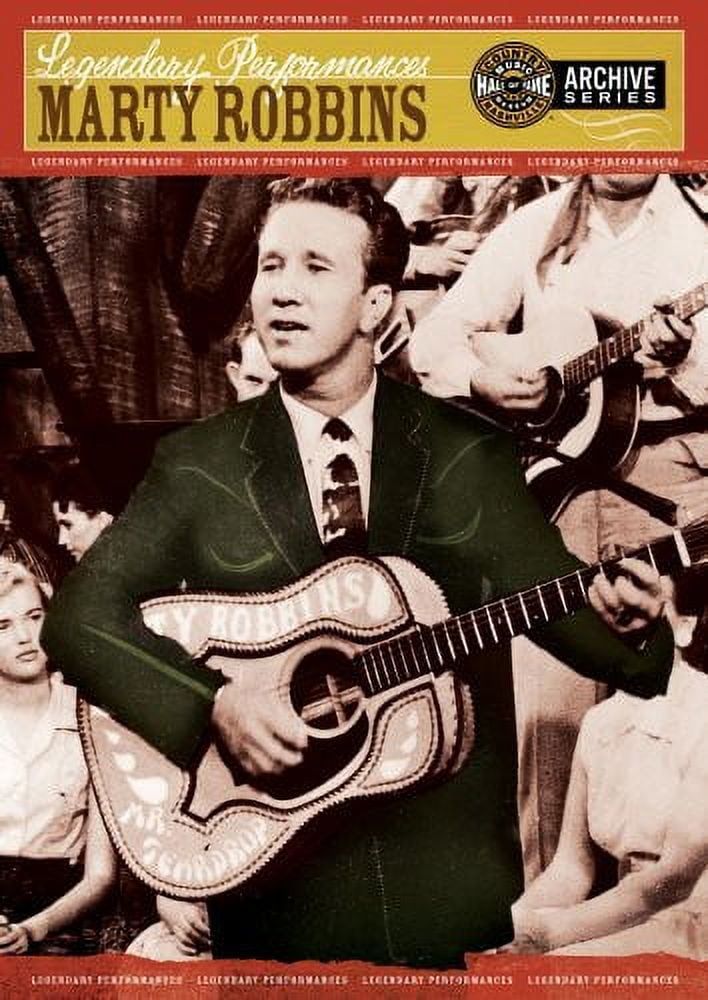
In the Shadows of a Saloon, a Tale of Dignity and Desperation Unfolds
In 1966, Marty Robbins, a luminary in the realm of country music, released the haunting ballad “Mr. Shorty” on his album The Drifter. It was a time when the American music landscape was undergoing profound transformation, yet Robbins remained steadfast in his devotion to storytelling through song. Peaking at number five on the Billboard Hot Country Singles chart, “Mr. Shorty” solidified its place in the annals of country music with its poignant narrative and evocative imagery. The song’s release marked another chapter in Robbins’ illustrious career, following his earlier successes with gunfighter ballads that became synonymous with his name.
The origins of “Mr. Shorty” are rooted in Robbins’ fascination with Western motifs, a theme he explored with unparalleled finesse in previous works like “El Paso.” The song unfurls like a short film, painting vivid scenes of a saloon showdown in the Old West. Robbins’ lyrical craftsmanship is nothing short of masterful as he tells the story of a diminutive stranger entering a tavern filled with derision and doubt. At its heart, “Mr. Shorty” is an exploration of the human condition—of pride and prejudice, dignity and despair.
Musically, “Mr. Shorty” carries the hallmarks of Robbins’ signature style: the sweeping melodies and rich baritone voice that envelop listeners in a world where stories are told not just through words, but through the very timbre and cadence of his delivery. The haunting notes of the harmonica accentuate the narrative tension, enhancing the song’s cinematic quality. Robbins’ genius lies in his ability to craft a soundscape that is as vivid as the lyrical tale it accompanies.
Within the lyrics lies an intricate tapestry of themes that resonate with listeners long after the final note fades. The song encapsulates a timeless struggle against judgment and preconceived notions—a diminutive man facing off against those who underestimate him based solely on his stature. Yet beneath this tale of conflict is a deeper reflection on honor and respect. Robbins imbues Mr. Shorty with a quiet dignity that challenges superficial assessments, inviting listeners to look beyond appearances to understand the complex humanity within.
“Mr. Shorty” holds a significant place in Marty Robbins’ career, underscoring his reputation as one of country music’s most compelling storytellers. In an era where rock ‘n’ roll was capturing youth’s rebellious spirit, Robbins stayed true to his roots, offering narratives steeped in authenticity and emotional depth. His commitment to narrative songwriting helped preserve country music’s storytelling tradition at a time when it risked being overshadowed by other genres.
The cultural significance of “Mr. Shorty” extends beyond its chart success or even its place within Robbins’ oeuvre; it embodies an enduring aspect of American songwriting—the ballad as a vehicle for empathy and introspection. In Robbins’ hands, the Western narrative becomes more than mere entertainment; it transforms into an exploration of societal values and individual worth.
Listening to “Mr. Shorty” today evokes an atmosphere that is both nostalgic and timeless—a reminder of an era where stories were woven into melodies and songs served as windows into worlds both familiar and foreign. The somber tones and reflective lyrics offer solace in their sincerity, inviting listeners to contemplate themes that remain relevant: courage in adversity, recognition beyond appearance, and ultimately, respect for one’s fellow man.
In reflecting on “Mr. Shorty,” one appreciates Marty Robbins not merely as a musician but as an artist who transcended genre boundaries to speak to universal truths through his craft. His legacy endures not just in records sold or charts topped but in the emotional landscapes he painted—landscapes that continue to captivate those who listen with open hearts and minds long after the echoes fade from the saloon’s shadowed corners.
