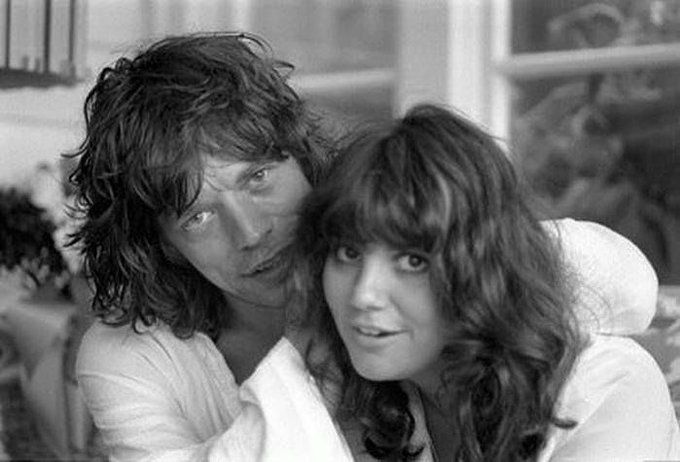
“Poor Poor Pitiful Me” is Linda Ronstadt turning a bitter little Warren Zevon story into a sly, resilient smile—heartache with its lipstick on, bruised pride still standing.
In the late 1970s, Linda Ronstadt had a rare superpower: she could make other people’s songs feel like they’d been living in her voice all along. Her cover of “Poor Poor Pitiful Me”—from the blockbuster album Simple Dreams (released September 6, 1977)—is a perfect example: tough, funny, slightly dangerous, and strangely comforting at the same time.
When the single finally hit the charts, it arrived with real momentum. Billboard history notes that Ronstadt’s version was the week’s highest debut on the Billboard Hot 100 for the chart dated January 28, 1978—a concrete “first footprint” that feels like a door swinging open mid-winter, letting in a gust of adrenaline. From there it climbed to a Billboard Hot 100 peak of No. 31, proving it wasn’t just album padding—it was a hit with teeth.
But the deeper story begins before Ronstadt ever touched it. Warren Zevon wrote and first recorded “Poor Poor Pitiful Me” for his self-titled 1976 album Warren Zevon, produced by Jackson Browne—a record steeped in Zevon’s trademark sardonic bite. The song’s verses are darkly comic and deliberately uncomfortable, circling bad luck, bad romance, and humiliations that would be tragic if they weren’t delivered with such a crooked grin.
Ronstadt’s genius was to flip the gender references and, with one simple adjustment, turn Zevon’s male misery into something sharper: a woman’s voice surveying the mess with equal parts exhaustion and swagger. She doesn’t play it as victimhood. She plays it as a late-night report from the field—yes, I’ve seen it all, and no, I’m not pretending it didn’t hurt. That’s why it works: the performance is confident enough to carry the humor, but human enough to keep the bruise visible.
If you want the emotional meaning in one thought, it’s this: the song refuses to romanticize self-pity, yet it admits self-pity happens—especially when love makes you feel foolish and you’re trying to laugh before you cry. Ronstadt sings like someone who’s been around the block and still—against her better judgment—gets caught by longing. Her vocal sits right on that thin line between defiance and vulnerability, where the listener recognizes themselves and quietly nods.
The cultural context matters, too. Simple Dreams was already loaded with massive, era-defining radio favorites, and “Poor Poor Pitiful Me” is one of the album’s best-known Zevon covers (alongside “Carmelita”). Even Rolling Stone reviews from the period singled out Zevon’s writing as a smart fit for Ronstadt’s evolving persona—proof she wasn’t just a great singer; she was a great chooser of material, with an ear for irony as well as romance.
And that’s the lasting charm of “Poor Poor Pitiful Me” in Ronstadt’s catalog: it’s a rocker with a wink, but it isn’t empty fun. It’s the sound of a woman walking out of a bad scene, brushing herself off, and refusing to let the night have the final word. The jokes land, the groove moves, and underneath it all is a stubborn little spark—the kind that keeps you going when you’ve got every reason to feel sorry for yourself, and you decide, instead, to sing.
