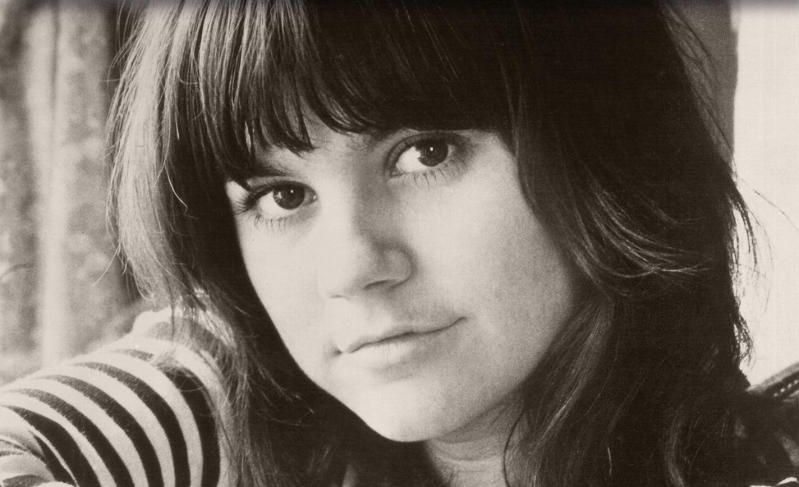
“How Do I Make You” captures Linda Ronstadt at her most restlessly alive—turning romantic impatience into bright, new-wave adrenaline, like a heart learning to run on electricity instead of sighs.
By January 1980, Linda Ronstadt had already proven she could own the American songbook of heartbreak—country ache, rock grit, pop elegance—yet “How Do I Make You” is the moment she deliberately kicked open a newer door. It didn’t drift onto the radio like another familiar Ronstadt ballad; it strutted in—short (2:25), punchy, and flirtatiously urgent, a song that feels like it’s smiling while it grabs your sleeve. Released as an advance single from her album Mad Love, it hit the Billboard Hot 100 with real force, peaking at No. 10, while also reaching No. 6 on Cash Box.
Those numbers matter—not because charts are the only kind of truth, but because they mark a precise cultural moment: early 1980, when the air itself seemed to change. Rock was slimming down, pop was sharpening its edges, and “new wave” wasn’t a costume so much as a new posture. Ronstadt—already a superstar—did something quietly daring: she stepped toward that stripped, pulsing energy and made it sound like her, not like a trend she borrowed for the weekend. The single “exemplified Ronstadt’s change to a harder-edged style,” briefly steering her stardom toward new wave.
Behind it sits an origin story that feels almost like the folk version of a pop hit: the song was written by Billy Steinberg, first recorded as a demo with his band Billy Thermal, and it reached Ronstadt through a chain of human connections rather than industry machinery. Steinberg recalled that Billy Thermal’s guitarist Craig Hull and vocalist Wendy Waldman (who sang backing vocals in Ronstadt’s live world) played the demos for Linda—“without asking my permission”—and she responded immediately to “How Do I Make You.” There’s something deeply comforting about that story: the reminder that even in the big leagues, sometimes a song still finds its destiny the old-fashioned way—one tape, one trusted ear, one sudden yes.
Steinberg also admitted he was “a little bit influenced” by The Knack’s “My Sharona” when he wrote it. You can hear that influence not as imitation but as momentum—a tight, nervous groove that keeps leaning forward, as if desire itself can’t stand still. And Ronstadt sells that forward motion with a rare kind of vocal acting: she doesn’t sound wounded, she sounds determined. This isn’t the narrator waiting by the phone; this is the narrator pacing the room, looking for the exact phrase that will finally crack the other person’s composure. The title question—“How do I make you?”—isn’t really a question at all. It’s a spark.
The song’s producer, Peter Asher, understood exactly how to frame her in this new light: keep it lean, keep it bright, keep it fast. And the album it previewed, Mad Love, arrived as a statement of intent—released February 26, 1980, and debuting at No. 5 on the Billboard album chart, a notable milestone in Ronstadt’s commercial story. In the broader arc of her career, “How Do I Make You” feels like the sound of an artist refusing to be preserved—refusing to let success turn into a museum.
What makes “How Do I Make You” endure isn’t only its era-perfect snap; it’s the emotional honesty inside the pop speed. There’s a tenderness hiding in the impatience—because urgency is often just another name for vulnerability. The singer wants closeness so badly she’s willing to risk sounding too eager, too direct, too exposed. Ronstadt has always been fearless about that kind of exposure, and here she makes it gleam: desire without apology, longing without self-pity, confidence that still trembles at the edges because it’s real.
Listen now, decades on, and you can feel why it worked: Linda Ronstadt didn’t “go new wave” as a gimmick—she used new wave’s clean, bracing punch to tell an old story in a newly thrilling voice. And in that quick little 2:25 burst, she leaves you with a feeling that’s almost impossible to manufacture: the sense of a heart refusing to wait politely for its own happiness.
