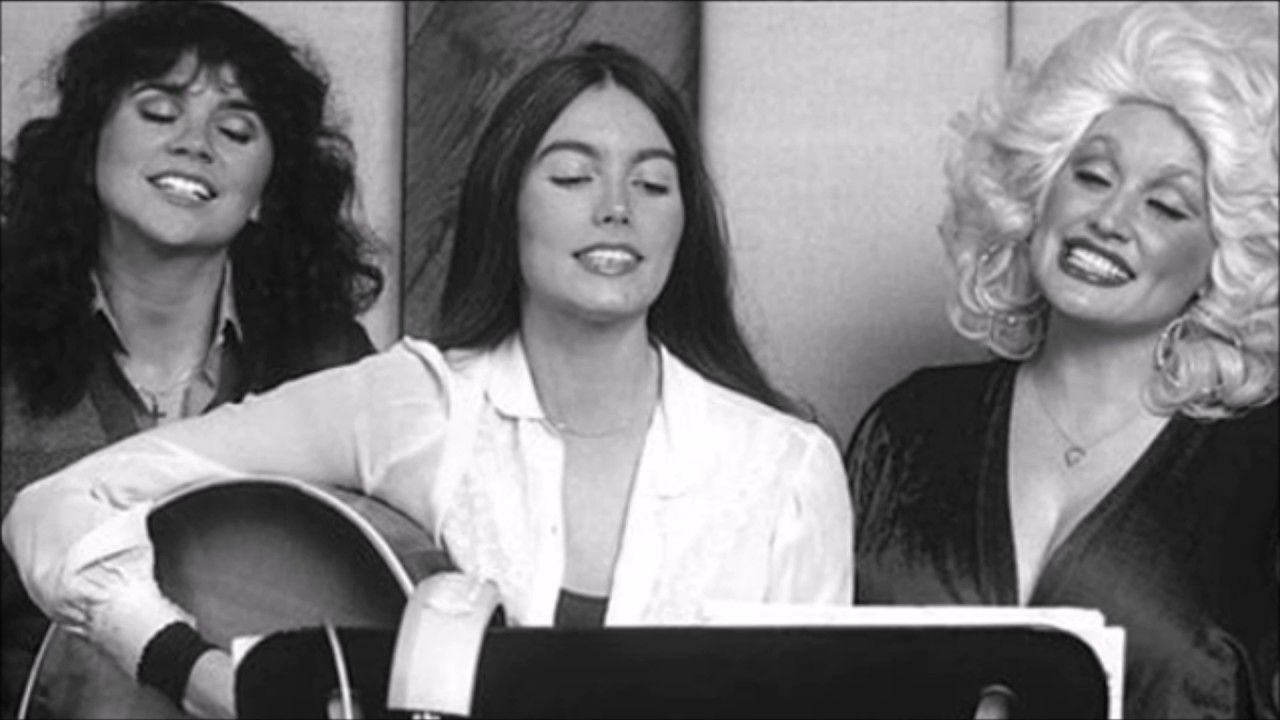
“Easy From Now On” is the sound of a brave decision made with trembling hands—when love has hurt enough times that walking away finally feels like the first act of mercy.
There are breakup songs that throw plates, slam doors, and light the past on fire. Emmylou Harris’s “Easy From Now On” does something far rarer: it exhales. It doesn’t rage at what was lost; it steadies itself and chooses a future where the heart stops begging for scraps. Released in 1978 as the second single from Quarter Moon in a Ten Cent Town, produced by Brian Ahern, and backed with “You’re Supposed to Be Feeling Good” on the B-side, the single reached No. 12 on Billboard’s Hot Country Singles & Tracks and No. 5 on Canada’s RPM country chart. Those numbers are respectable—yet the deeper “hit” is emotional: the song found a permanent home in listeners who needed permission to stop suffering politely.
The story behind the song is as intimate as the song itself. “Easy From Now On” was written by Carlene Carter and Susanna Clark—two writers with very different kinds of fire, meeting in the same room of feeling. In a small but revealing anecdote, Susanna Clark called Carter with a line—“Quarter Moon in a Ten Cent Town”—and that spark became part of the song’s origin story. That detail matters because you can hear it: the lyric feels like it began as a single, bright phrase spoken between friends late at night, then slowly turned into a vow.
Musically, Harris sings it like someone who has learned that drama is expensive. She doesn’t oversell the pain. She lets the words carry their own weight—and the hook line lands like a clean cut: easy from now on. Not “better,” not “perfect,” not “I’ll never hurt again.” Just easier. That word is heartbreak’s adult vocabulary. When you’ve lived long enough, you stop promising yourself miracles; you start promising yourself relief.
And the brilliance of the lyric is that it doesn’t pretend leaving is painless. It shows the moment after the tears, when you’re still shaky but finally clear-eyed. This isn’t the thrill of freedom; it’s the dignity of self-preservation. The narrator isn’t announcing victory—she’s announcing boundaries. It’s the sound of someone who has stared at the same emotional wall for too long and realized the only way out is to stop leaning your whole body weight against it.
Placed on Quarter Moon in a Ten Cent Town, the song also speaks to where Harris was in 1978: a singer at the height of her interpretive power, able to take someone else’s words and make them feel like her own private confession. The single’s pairing with “You’re Supposed to Be Feeling Good” as the B-side is quietly poetic too—one song insisting that life should feel better by now, the other deciding to make that “better” happen by stepping away. Flip the record and you can almost hear two halves of the same hard lesson speaking to each other.
What gives “Easy From Now On” its lasting meaning is the way it treats love as something that must include the self. Country music has always understood sacrifice, loyalty, waiting—but this song draws a line where waiting becomes self-erasure. It’s not cynical; it’s tender with its own survival. The narrator isn’t saying “you were nothing.” She’s saying “I can’t keep paying this price.” That is a different kind of romance—romance for the future version of yourself, the one who deserves to wake up without dread.
So when Emmylou Harris sings “Easy From Now On,” she isn’t just delivering a beautifully written country-pop classic. She’s offering a small, steady lantern to anyone standing at the edge of a decision. Not a shouted anthem—something better: a calm voice saying you’re allowed to choose peace. You’re allowed to walk away with grace. And once you do, the world may not turn perfect overnight… but it can, slowly, become easy from now on.
