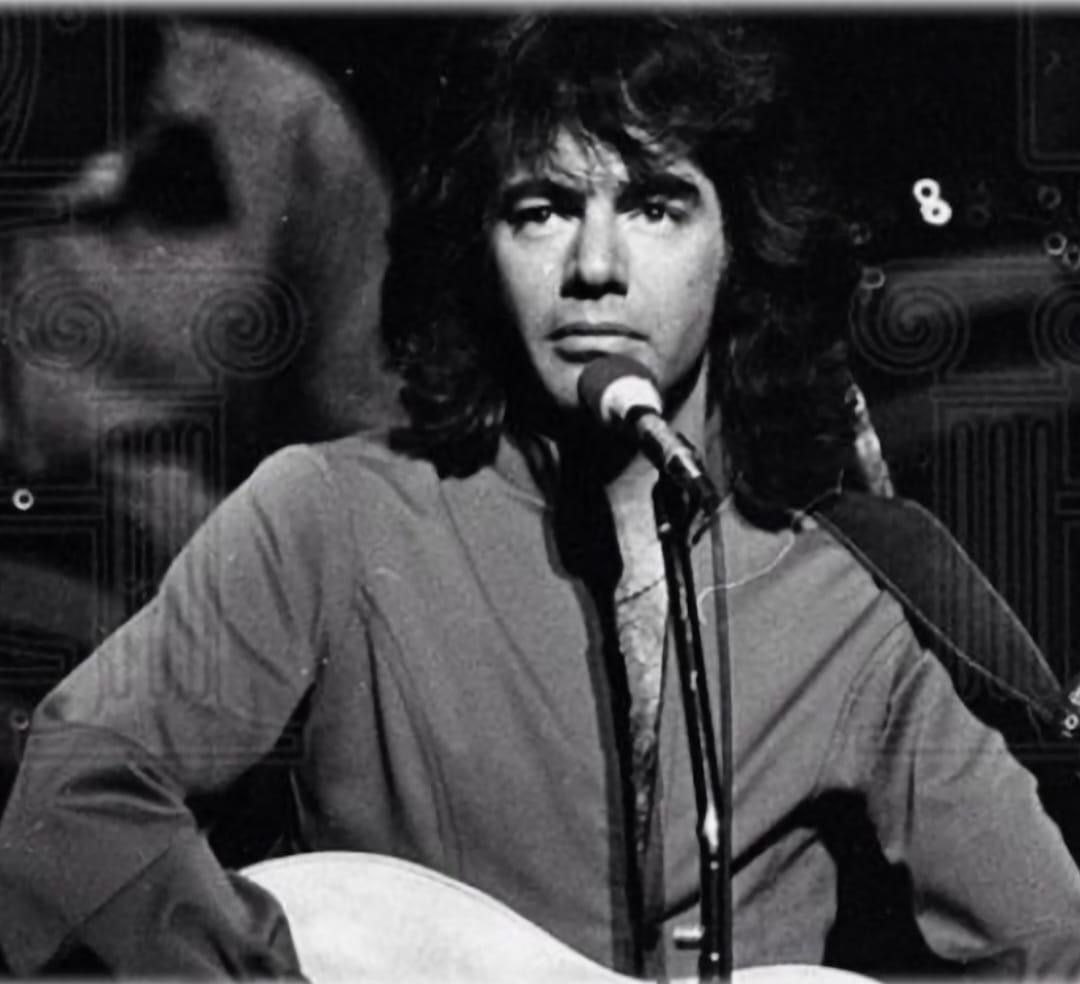
On Serenade, Neil Diamond slipped in a song that does not demand attention so much as deepen with time—a reflective album track where art, weariness, and beauty seem to stand in the same room.
Released in 1974, “The Last Picasso” appears on Neil Diamond’s Serenade, an album that often lives in the shadow of the bigger titles surrounding it in his catalog. That is part of what makes this song so intriguing. It was never built to arrive like a signature single, and it does not carry the instant public familiarity of “Longfellow Serenade” or “I’ve Been This Way Before”, the better-known songs from the same record. Instead, it sits a little farther back, where overlooked tracks often wait for the listener who comes not for the hit but for the mood, the imagery, and the deeper currents inside an artist’s writing.
By the time Serenade arrived, Diamond was already long past the stage of proving he could write a memorable song. He had become a major recording artist, a commanding live performer, and a songwriter whose work could move between pop, folk, confession, and theatrical grandeur without losing its identity. But the mid-1970s were especially interesting because they show him leaning into a more mature kind of drama. Not everything had to explode into a chorus the whole room would sing. Some songs were content to linger. “The Last Picasso” belongs to that category. It feels less like a performance reaching for the balcony than like a thought that keeps growing after the record side has turned.
The title alone is striking. Diamond chooses an image loaded with history, genius, mortality, and the uneasy pressure of being the last of something. Whether a listener hears the song as a meditation on art, love, fading brilliance, or the loneliness of singular people, the title opens an imaginative space that most pop songs never attempt. That is one of the quiet pleasures of this track. It trusts the listener. It allows suggestion to do some of the work. In a catalog full of direct emotional address, “The Last Picasso” carries a more oblique kind of feeling, and that gives it unusual staying power.
What makes the song rewarding is the way it fits the emotional climate of Serenade. This is not an album built only on easy warmth. There is elegance in it, certainly, but also introspection, controlled melancholy, and a sense of an artist shaping his material with a little more room around the edges. Diamond had always known how to make feeling sound large, but on this album he also sounds interested in making it sound seasoned. “The Last Picasso” reflects that balance beautifully. It carries the kind of atmosphere that does not rush toward conclusion. It lets the voice and the writing hold onto ambiguity, and that is often where adult songwriting becomes most interesting.
Diamond’s voice is central to why the song works. He could be commanding, even thunderous, when he wanted to be, but one of his strengths as a singer was the grain of experience he brought to reflective material. On a song like this, the performance matters not because it overwhelms the listener, but because it suggests a man who understands that style without feeling is empty, and feeling without form can collapse under its own weight. He sings with control, but not detachment. There is thought in the phrasing. There is distance in the image, then warmth in the delivery. That tension is exactly what gives the song its shape.
It is also worth remembering what an album track meant in 1974. In the streaming era, an overlooked song can be rediscovered in isolation, detached from the record that held it. But in the vinyl era, a track like “The Last Picasso” was part of a sequence, part of a mood encountered by listeners who stayed with the whole album. That changes the way the song lives. It was not asking to win the room in thirty seconds. It was asking to be found in context, after other songs had already opened the emotional door. Heard that way, it becomes part of the inner architecture of Serenade, one of those pieces that tells you what kind of artist Diamond was when he was not chasing the obvious moment.
There is something moving about the fact that songs like this often age well precisely because they were not overexposed. They remain fresh not through novelty, but through reserve. “The Last Picasso” still feels like a song you arrive at rather than one endlessly handed to you. And when you do arrive, you hear Diamond not just as the writer of huge choruses and crowd-pleasing set pieces, but as a craftsman with a taste for image, shadow, and emotional suggestion. That broader view of his artistry matters. It reminds us that major careers are not built on singles alone. They are also built on the songs that reveal what an artist valued when no chart position was there to explain the choice.
That is why “The Last Picasso” deserves another listen. Not because it was hidden, and not because obscurity alone makes anything better, but because it captures a side of Neil Diamond that can be easy to miss if the conversation stops at the hits. On Serenade, he left behind a song with the feeling of late light across a studio floor: thoughtful, slightly mysterious, and more intimate the longer you stay with it. For listeners willing to step past the familiar titles, it remains one of the album’s most quietly revealing moments.
