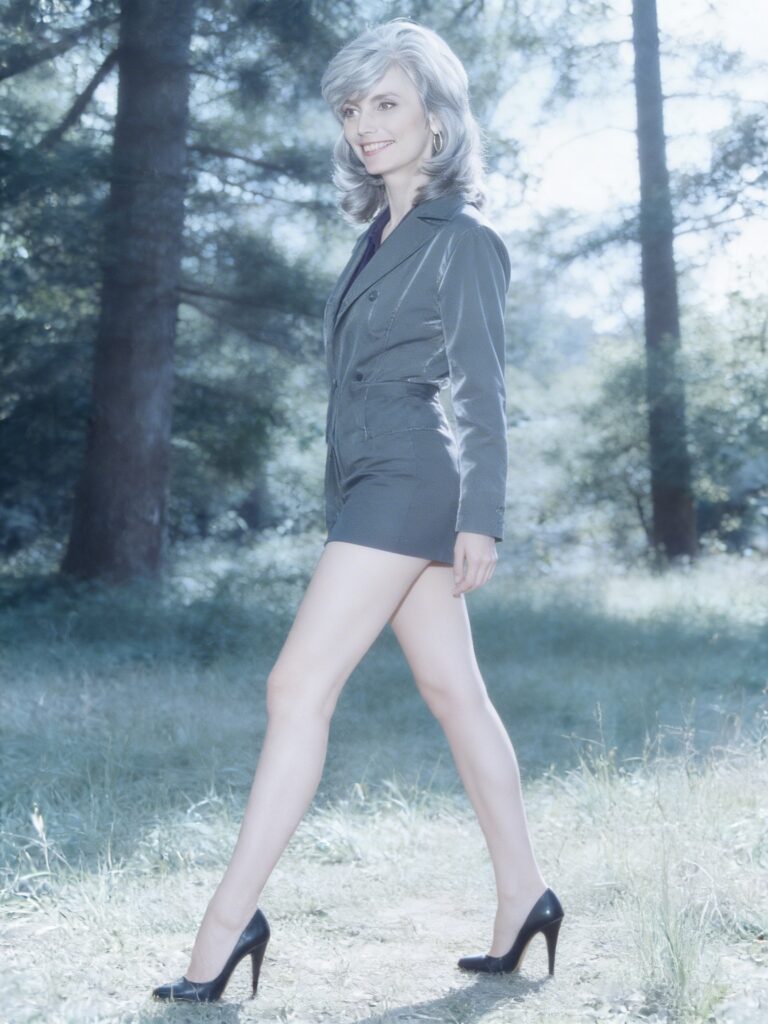
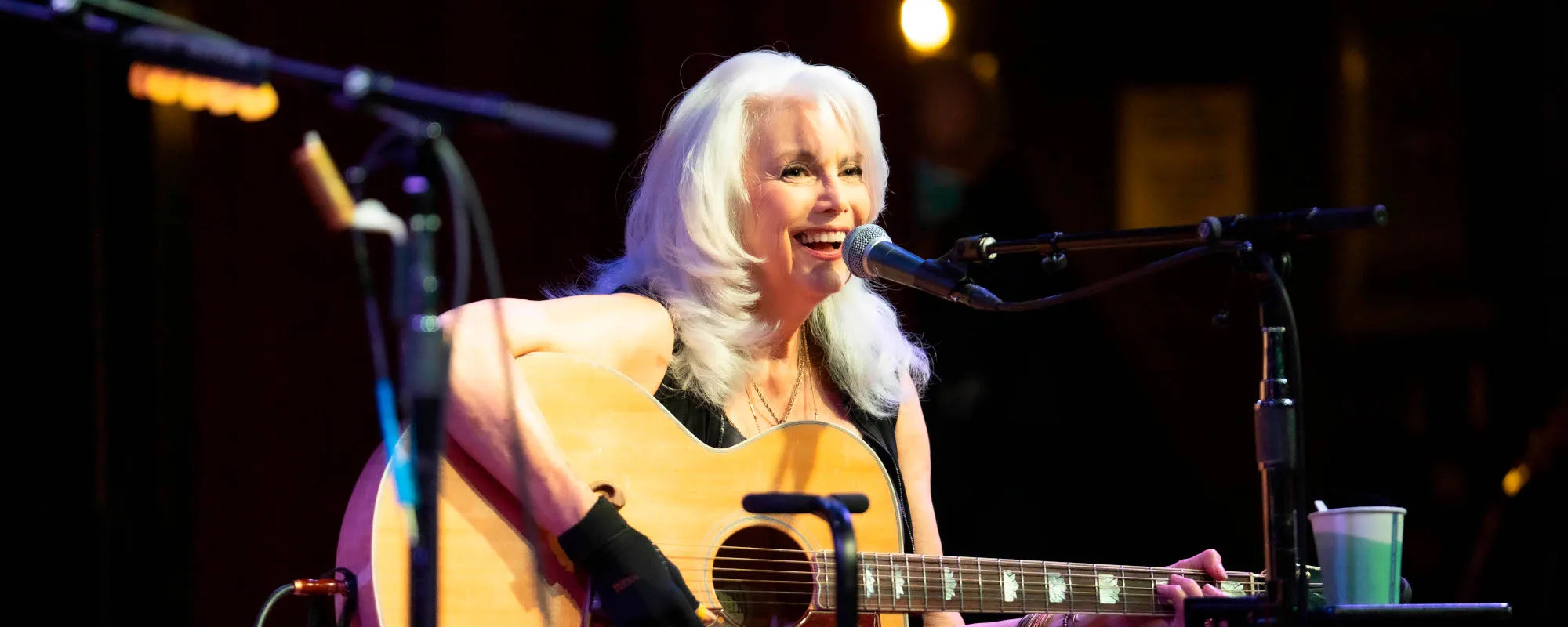
Better than the original? That is exactly why “Save the Last Dance for Me” still starts arguments — because Emmylou Harris did not simply cover a classic, she changed its emotional climate completely.
Some songs are too famous to be covered innocently. “Save the Last Dance for Me” was already one of those songs long before Emmylou Harris touched it. Written by Doc Pomus and Mort Shuman and first recorded by the Drifters in 1960, it became a towering pop-and-soul classic, spending three non-consecutive weeks at No. 1 on the U.S. pop chart, topping the U.S. R&B chart as well, and reaching No. 2 in the UK. In its original life, the song had elegance, ache, and a kind of bittersweet urban polish that felt inseparable from that era.
That is why the debate around Emmylou’s version never sounds silly to serious listeners. The question is not whether she erased the Drifters. She did not. The question is whether she found another truth inside the song so persuasive that, for some fans, her reading cuts deeper. And there is a real case for that.
Emmylou Harris’s version first appeared on Luxury Liner, released on December 28, 1976, a record that became her second consecutive No. 1 country album and, by Rhino’s description, her best-selling album to date. The “2003 Remaster” tag that many listeners now see simply belongs to the later expanded reissue of that album, not to a new performance; the emotional core is still the 1976–77 recording.
What changes in Emmylou’s hands is the song’s entire temperature. The Drifters’ version is graceful and unforgettable, but it still moves with the poise of classic pop-soul storytelling. Emmylou pulls it into country music’s lonelier light. She slows the emotional breathing. She makes the tenderness feel less polished and more exposed. The famous promise at the center of the song no longer sounds merely suave or gently wounded. It starts to sound resigned, almost painfully polite, as though the speaker already knows he is losing the evening, and perhaps more than the evening. That shift is exactly why some fans swear by her version. It hurts in a different place.
And that is where the real argument begins.
People who stay loyal to the Drifters are not wrong. Their version has historical force, melodic authority, and the incomparable emotional shading of that original era. It is the version that made the song immortal, and without it there would be no debate to have at all. Its chart dominance alone tells you how powerfully it landed in its own time.
But fans who lean toward Emmylou Harris are hearing something equally real: she takes a song already famous for bittersweet devotion and makes it sound more intimate, more rural, more quietly adult. On Luxury Liner, surrounded by songs that moved between country tradition and broader American songcraft, “Save the Last Dance for Me” feels less like a nostalgia exercise than a reclamation. Emmylou had a gift for singing without strain and still leaving devastation behind her, and this song benefits enormously from that gift. She does not try to out-sing the original. She simply stands closer to the bruise.
The album context helps. Luxury Liner was not a novelty record built around one famous cover. It was a major Emmylou statement, one that also included “Pancho and Lefty” and “(You Never Can Tell) C’est la Vie.” In other words, she was already proving that old or borrowed material could be transformed by taste, restraint, and atmosphere rather than by flashy reinvention. “Save the Last Dance for Me” fits that method perfectly.
So is it better than the original?
That depends on what a listener wants from the song. If you want the definitive historical statement, the Drifters still hold that ground. If you want the version that makes the song feel colder, more solitary, and perhaps more humanly fragile, Emmylou’s claim becomes very strong. The fact that this argument has lasted is the best proof of how successful her reading was. Most covers do not start real debate. They merely pay respect. Emmylou’s version goes further than respect. It quietly proposes an alternative center of gravity.
That is why the 2003 remaster still sparks the same old conversation. The remaster did not create the power of the performance; it only brought listeners back to it. And once they return, they hear what earlier fans already heard: a singer taking one of the most famous love-songs-with-a-shadow ever written and turning that shadow darker, softer, and harder to forget. For some, the Drifters will always own the crown. For others, Emmylou Harris made the wound feel truer. And because both sides can hear something undeniable, the debate still refuses to die.
