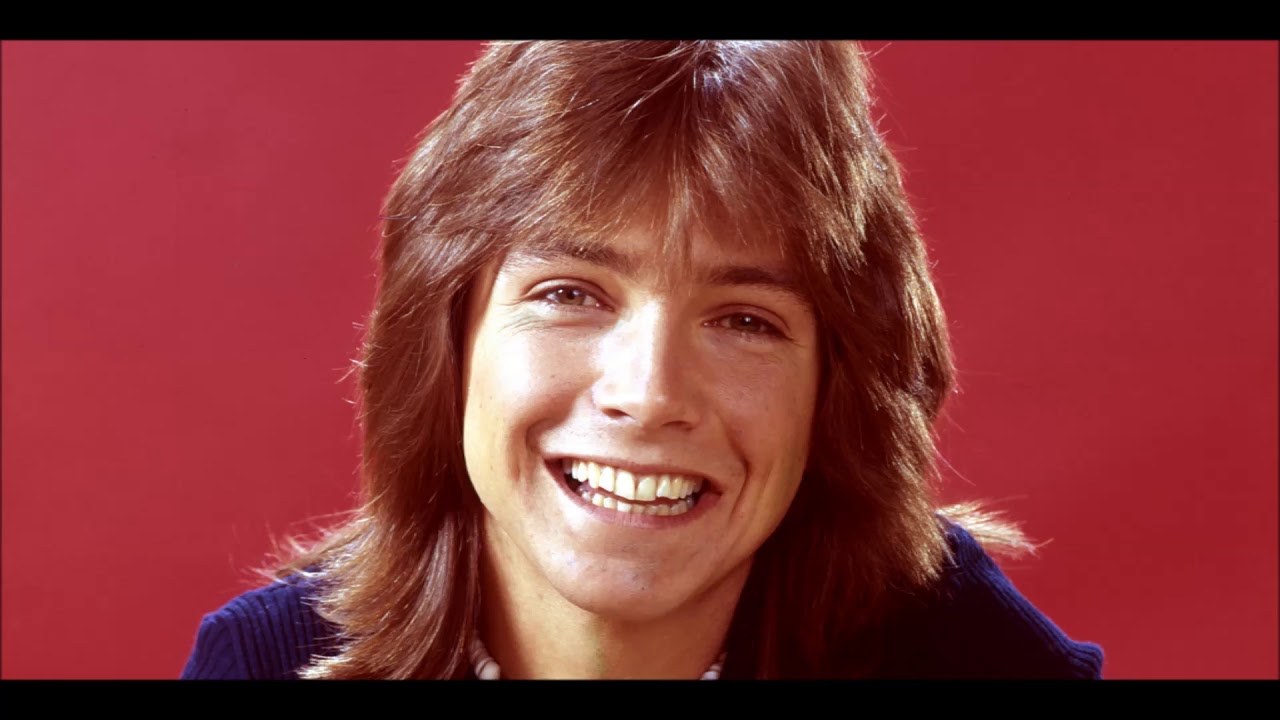
Sing Me lets David Cassidy step out from the noise of fame and into something far more fragile: a soft, searching plea for comfort at the heart of Dreams Are Nuthin’ More Than Wishes.
There are songs that become hits, and then there are songs that quietly tell the truth. Sing Me, from David Cassidy‘s 1973 album Dreams Are Nuthin’ More Than Wishes, belongs to that second category. It did not arrive with the same immediate chart identity as some of the records that made Cassidy a household name, but that is part of what makes it so moving today. Heard now, it feels less like a product of pop hysteria and more like a private window opening for just a moment.
It is important to place the song in its exact moment. By 1973, David Cassidy was already living inside one of the most intense fame stories of the era. Thanks to The Partridge Family and his enormous solo success, he was not merely popular; he was a phenomenon. Yet the 1973 recording of Sing Me on Dreams Are Nuthin’ More Than Wishes shows the other side of that public image. This is not the sound of a star leaning into noise and spectacle. It is the sound of someone reaching for warmth, sincerity, and perhaps a little shelter.
From a chart standpoint, Sing Me is best understood through its parent album rather than as a major standalone single. Dreams Are Nuthin’ More Than Wishes continued Cassidy’s remarkable commercial strength in 1973 and reached No. 1 on the UK Albums Chart, a reminder of just how powerful his connection with listeners was during that period. Sing Me itself is remembered more as an album moment than as a separate chart event, and that actually suits its character. Some songs live loudly on the radio; others live deeply in memory.
What makes Sing Me linger is its emotional posture. The title alone suggests dependence, consolation, and the old human need to be carried by a voice when words no longer feel steady enough. In Cassidy’s hands, the song takes on a particularly bittersweet tone. He had a gift that is sometimes overlooked now: he could make polished pop feel vulnerable. Beneath the smooth early-1970s production, there is a tenderness that does not ask for attention in a theatrical way. It simply stays with you.
That is one reason the song fits so naturally within Dreams Are Nuthin’ More Than Wishes, an album title that already feels wistful, almost philosophical. The phrase suggests longing, imagination, and the thin line between what we hope for and what life actually gives us. In that setting, Sing Me feels like one of the album’s emotional anchors. It speaks the language of comfort, but it also carries a quiet loneliness. Even when the melody is sweet, there is a small ache beneath it.
There is also a larger story behind why a track like this matters in the David Cassidy catalog. For years, his image was reduced too easily to the teen-idol surface: the posters, the magazine covers, the screaming crowds. But listeners who stayed with the records know that was never the whole story. Cassidy wanted to be heard as a serious recording artist, and many of his best performances reveal a sensitivity that the headlines often missed. Sing Me is a fine example of that deeper artistic identity. It does not fight for seriousness; it earns it quietly.
The song’s meaning, then, goes beyond simple romance. It can be heard as a plea for reassurance, a request for gentleness in a world that was already asking too much. That emotional reading becomes even richer when you remember who was singing it. A young man surrounded by adoration, expectation, and relentless visibility somehow made room for a performance that feels intimate rather than grand. That contrast gives Sing Me its lasting power. The public image was bright, but the voice here seems to come from somewhere shaded and thoughtful.
Musically, the record carries the graceful, melodic sensibility that helped define Cassidy’s strongest solo work. It is shaped by pop craftsmanship, but it is not shallow. The arrangement supports the feeling instead of overpowering it, allowing the vocal to do what it needs to do: suggest longing without collapsing into self-pity. That balance is not easy to achieve. David Cassidy had it more often than he is given credit for.
In the end, Sing Me remains one of those album tracks that reveals more with age. It may not be the first title named in a quick summary of Cassidy’s career, but for listeners willing to go past the obvious songs, it offers something invaluable: a quieter truth. On Dreams Are Nuthin’ More Than Wishes, amid the glow of early-1970s pop, David Cassidy left behind a performance that still feels personal, still feels tender, and still reminds us that the gentlest songs are often the ones that say the most.
