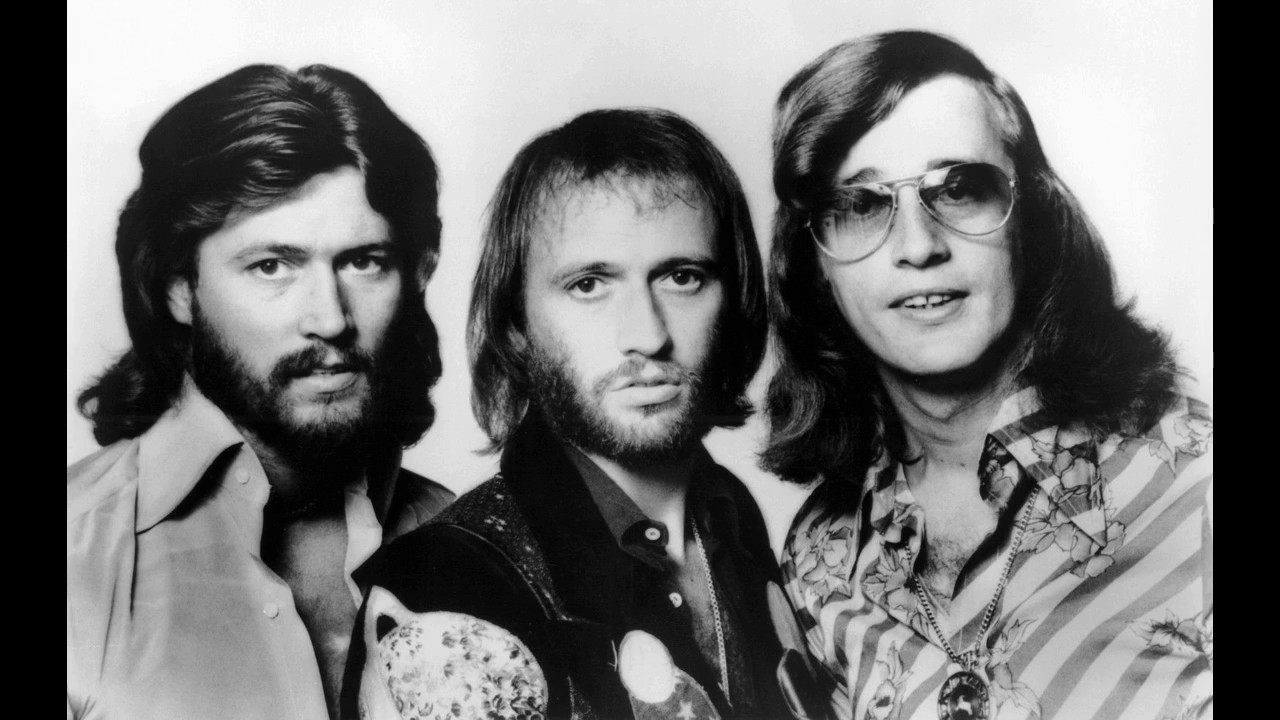
On a comeback album built for a grand return, “Overnight” offers something more intimate: Maurice Gibb stepping forward from the harmony line and letting his own voice carry the feeling.
Bee Gees released E.S.P. in 1987, and the album arrived with the weight of a reintroduction. It was their first studio album of new material since Living Eyes in 1981, and it placed Barry, Robin, and Maurice Gibb back under their own name after years in which their songwriting and production work for other artists had often kept their genius in public view more clearly than their own records did. The comeback story is usually told through “You Win Again”, the thunderous single that restored them to the top of the British charts and reminded much of the world that the Bee Gees were not simply a memory from the disco years. But tucked inside that same album is “Overnight”, an overlooked track that carries a different kind of significance: a rare late-1980s lead vocal by Maurice Gibb.
That detail matters because Maurice’s place in the Bee Gees was often heard most deeply by those who listened past the obvious center. Barry had the commanding falsetto and the melodic confidence that defined so many hits. Robin had that unmistakable trembling ache, a voice that seemed to bend around sorrow and longing. Maurice, meanwhile, was frequently the binding force: the instrumental mind, the harmonic middle, the brother whose presence gave the group its architecture. His voice was everywhere in the Bee Gees’ blend, yet lead moments were comparatively uncommon, especially by the time the group reached the polished, technology-conscious sound of the late 1980s.
On “Overnight”, that balance shifts. The song is not a grand announcement, and it does not try to compete with the public drama of the album’s biggest single. Instead, it feels like a side door into the E.S.P. era. Maurice’s lead vocal does not arrive as a theatrical spotlight moment. It sounds more like a quiet claim of space within a group that had spent decades perfecting the art of singing as one. There is a gentleness in the way he leads the track, a steadier kind of emotion that does not need to break open to be felt.
The album itself was built at a complicated point in the Bee Gees’ career. By 1987, they had already lived through more cycles of fame than most artists ever face. They had been 1960s pop balladeers, early-1970s survivors, mid-1970s reinvention artists, and then global symbols of the disco explosion. After the cultural backlash that followed that era, the brothers did not vanish creatively. They wrote and produced major songs for performers such as Barbra Streisand, Dionne Warwick, Kenny Rogers, Dolly Parton, and Diana Ross. Yet returning as the Bee Gees themselves required more than another well-written song. It required a new frame around voices the public thought it already understood.
E.S.P. answered that challenge with a sound that belonged unmistakably to the 1980s: programmed textures, bright production surfaces, big drums, and an adult-pop sense of scale. With Arif Mardin, Brian Tench, and the Bee Gees involved in the album’s production, the record connected their past discipline to a contemporary studio language. For some listeners, that production can make the album feel tied to its moment. But within that frame, “Overnight” has a particular warmth because Maurice’s vocal brings the song closer to the human center of the group. It reminds us that behind the glassy finish of the decade, the Bee Gees remained three brothers trying to make feeling move through sound.
Part of the track’s appeal is that it asks to be heard differently from the album’s most famous moments. It is not the song casual listeners return to first. It is not the comeback headline. But that is exactly why it has gathered a quiet fascination among fans who pay attention to the deeper corners of the catalog. In a group so often discussed through chart achievements and era-defining singles, “Overnight” offers the pleasure of discovery. It invites the listener to notice Maurice not as a background figure, not only as the multi-instrumentalist or harmony craftsman, but as a singer capable of carrying vulnerability in a controlled, unshowy way.
There is also something moving about hearing that voice during the comeback period. The Bee Gees were not young men chasing their first chance. They were seasoned artists returning after public taste had shifted around them. Their name carried both affection and baggage. Their harmonies were familiar, but familiarity can be a burden when an audience thinks it has already decided what an artist means. In that context, Maurice’s lead on “Overnight” feels almost like a private note inside a public return. It does not argue for the Bee Gees’ importance. It simply adds another shade to the story.
For listeners revisiting E.S.P. today, the album is more than the success of “You Win Again”. It is a document of adaptation, brotherhood, persistence, and carefully rebuilt confidence. “Overnight” may not stand at the front of the Bee Gees’ history, but it glows in the side light. It shows how much of the group’s emotional power came from the interplay of three distinct voices, and how even a less-celebrated album track can reveal a brother who spent much of his career making others sound complete. Maurice Gibb’s lead vocal gives the song its quiet reason to last: not because it shouts for attention, but because it lets a familiar band suddenly feel a little less fully explained.
