
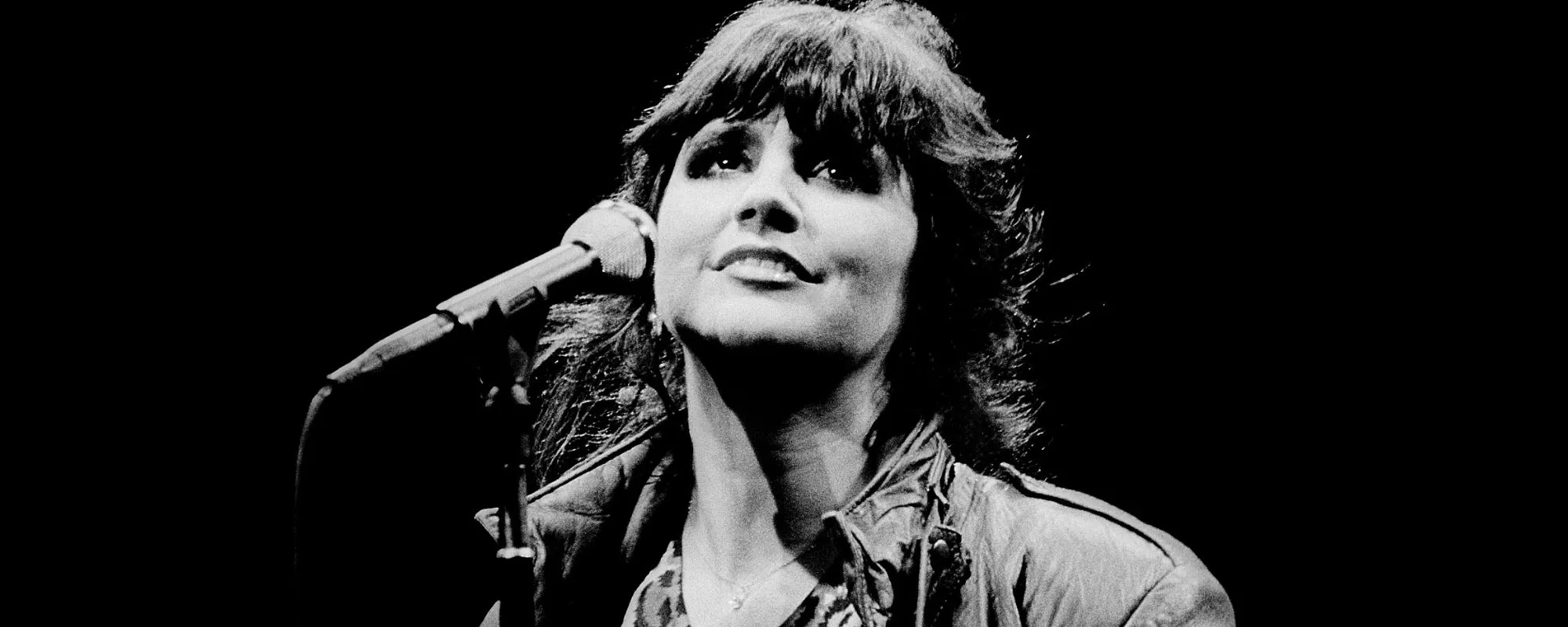
A quiet song of betrayal, grace, and release, Adieu False Heart became one of Linda Ronstadt‘s most intimate late-career statements when she recorded it with Ann Savoy in 2006.
On its 20th anniversary, Adieu False Heart deserves to be heard not as a minor footnote in the long, dazzling journey of Linda Ronstadt, but as one of the most revealing projects of her later years. Released in 2006 as the title song of her collaborative album with Ann Savoy, it arrived without the commercial thunder that once followed Ronstadt so easily. There was no attempt to turn it into a radio event, and the title track itself was not a hit single in the old pop-country sense. Instead, the album made a modest chart showing, reaching the Billboard 200 on release, a reminder that Ronstadt could still draw listeners even when she chose understatement over spectacle. That modesty, in truth, is part of what now makes the record feel so enduring.
The album Adieu False Heart, issued by Vanguard Records, paired Ronstadt with one of American roots music’s most respected keepers of tradition, Ann Savoy. Savoy was already deeply admired for her work preserving and interpreting Cajun, Louisiana French, and related folk traditions. Ronstadt, by then, had already traveled an extraordinary musical distance: rock, country rock, classic pop with Nelson Riddle, Mexican repertoire on Canciones de Mi Padre, and landmark harmony work in the Trio albums. Yet this 2006 collaboration did something especially moving. It stripped away the grand frame and returned her to the wooden floorboards of song itself: voice, story, tradition, and silence.
The title song, Adieu False Heart, is an old traditional piece whose emotional power lies in its plainness. The phrase itself carries the wound in just three words: farewell to a deceitful heart, goodbye to love that could not be trusted. There is no melodrama in the lyric, no theatrical revenge, no shouted accusation. What remains is something older and harder to fake: disappointment worn with dignity. In Ronstadt and Savoy’s hands, the song does not feel museum-like or dutiful. It feels lived in. Their version draws together Appalachian ballad feeling, old-time directness, and the subtle pull of Louisiana roots textures. It is acoustic music, yes, but never merely decorative. Every note seems chosen for its truthfulness.
That is one of the great strengths of this recording. Linda Ronstadt had nothing left to prove in 2006. She could have coasted on reputation, revisited old triumphs, or reached for familiar applause. Instead, she leaned into a repertory that required discipline, humility, and close listening. Beside Ann Savoy, she sounds not like a superstar descending into folk music, but like a serious musician surrendering to it. The performance is restrained, but restraint here is not limitation. It is maturity. Ronstadt’s voice, no longer presented as a force of sheer command, becomes something perhaps even more affecting: a voice capable of shading hurt with tenderness, distance with memory, and farewell with hard-earned calm.
That emotional shading is why the song feels newly important now. In 2006, some listeners may have heard the album simply as another adventurous turn in Ronstadt’s famously wide-ranging career. Twenty years later, it sounds more like a statement about what lasts. Not fashion. Not chart heat. Not industry momentum. What lasts is repertoire. What lasts is the human voice standing inside an old lyric and making it breathe again. Adieu False Heart carries that kind of staying power. It is not loud enough to announce itself to a distracted age. It asks something gentler from the listener: patience, attention, and the willingness to hear sorrow without embellishment.
There is also something deeply moving in the timing. Heard now, with the knowledge that Ronstadt’s recording years were nearing their final chapter, the album takes on the glow of a late-career gift. Not a farewell in any formal sense, but a quiet offering from an artist who understood that intimacy can sometimes say more than grandeur. The title song, especially, feels almost like a credo. It accepts that betrayal exists, that love can disappoint, that not every wound is answered. But it also insists, in its very poise, that there is grace in naming the hurt and moving on.
For admirers of Linda Ronstadt, this is one of the reasons Adieu False Heart matters so much on its anniversary. It captures her not at the height of commercial power, but at the height of interpretive wisdom. And for Ann Savoy, it stands as a beautiful example of how regional tradition can meet a major American voice without losing one ounce of authenticity. Together they made a record that never begged for attention, never chased trends, and never confused quietness with weakness.
Twenty years on, the title song still lands with uncommon force. Its ache is measured. Its beauty is unforced. Its honesty is unmistakable. In an era that often mistakes volume for depth, Adieu False Heart remains a luminous argument for the opposite. Some songs do not fade into history. They wait for the world to become still enough to hear them properly.
