Though many listeners loosely connect it to Neil Diamond’s mid-1960s radio world, “Red Rubber Ball” was actually a hit by The Cyrkle—and its bright sound hides one of pop’s most graceful songs of heartbreak and recovery.
Memory can be a funny archivist. Songs from the 1960s often drift together in the mind, sharing the same transistor-radio warmth, the same summer air, the same bittersweet shimmer. That is one reason some people casually attach Neil Diamond to “Red Rubber Ball”. But the historical record is clear: this was not a Neil Diamond single. The song was written by Paul Simon and Bruce Woodley of The Seekers, and the famous hit version was recorded by The Cyrkle. Released in 1966, it climbed all the way to No. 2 on the Billboard Hot 100, becoming one of the most instantly recognizable pop records of its season.
That correction matters, not because it spoils nostalgia, but because the true story is so rewarding. “Red Rubber Ball” is one of those rare records that sounds breezy even as it is quietly nursing a bruise. The arrangement feels light on its feet. The melody practically skips. Yet the emotional core of the song is about a person stepping out of romantic disappointment and choosing dignity over collapse. There is no self-pity at the center of it. Instead, there is motion, sunlight, and a surprising kind of resilience. The singer does not deny the hurt. He simply refuses to live under it forever.
That tension is part of what made the record so memorable in 1966, and it still explains why it lands so beautifully today. In lesser hands, a breakup song can sink into gloom. “Red Rubber Ball” does the opposite. It turns heartache into forward motion. The image in the title itself has always carried a childlike bounce, and that is exactly the emotional trick of the song: something that might have felt heavy is sent upward instead. The pain is real, but it does not get the final word.
The writing story also gives the song added depth. Paul Simon and Bruce Woodley wrote it during a fertile moment in the great mid-1960s folk-pop exchange, when songwriters were constantly borrowing from one another’s emotional vocabulary while still finding strikingly personal angles. Simon had a gift for making conversational language sound poetic without becoming precious, and that quality runs right through “Red Rubber Ball”. The lyrics speak plainly, but never cheaply. They feel lived in. They feel like words someone might actually mutter to himself after finally deciding not to chase a closed door anymore.
Then came The Cyrkle, the group that gave the song its radio life. They were very much part of that fascinating 1960s pop landscape—young, melodic, polished, and closely connected to the era’s British and American crosscurrents. The band was managed for a time by Brian Epstein, and their unusually spelled name is famously linked to a suggestion from John Lennon. That alone places them in a remarkable cultural pocket. But “Red Rubber Ball” was not merely a footnote in somebody else’s story. It was their defining hit, the record that gave them a lasting place in the conversation.
The song also appeared on The Cyrkle’s album Red Rubber Ball, a title that showed just how strongly the single had connected. And connect it did. On AM radio, its blend of clean harmonies, crisp rhythm, and emotional lift made it feel both immediate and strangely comforting. It was not grandiose. It did not need to be. It carried its wisdom lightly. That may be why the song has endured so well: it does not lecture, and it does not wallow. It simply offers a humane truth. Sometimes survival sounds cheerful long before a heart completely believes it.
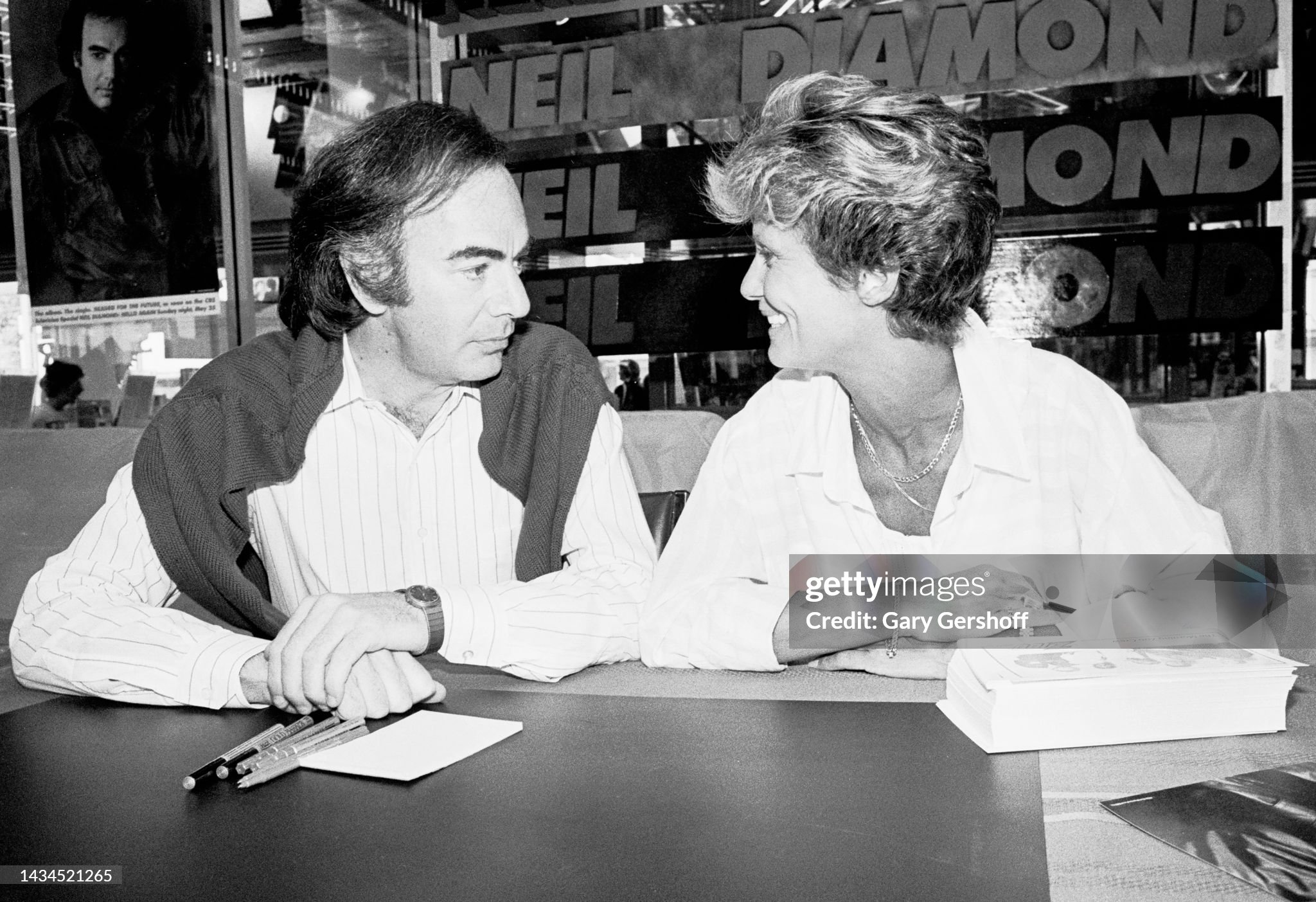
So where does Neil Diamond fit into the conversation? Mostly in the realm of era, texture, and memory. Diamond was building his own extraordinary presence in the same decade, shaping songs that could be intimate, dramatic, and radio-ready all at once. His name belongs naturally to any discussion of 1960s American pop craftsmanship. That shared atmosphere may be why some listeners mentally place “Red Rubber Ball” near him. The confusion is understandable. But the beauty of revisiting these records carefully is that each one regains its proper color. Neil Diamond has his own catalog of emotional landmarks. The Cyrkle have this one, and what a jewel it remains.
Listen again and the song still feels fresh: not because it is fashionable, but because its emotional balance is timeless. It knows that disappointment can coexist with relief. It knows that the morning after heartbreak can carry both ache and air. And it understands something many great pop songs understand: a melody can smile while the lyric quietly tells the truth.
That is the real legacy of “Red Rubber Ball”. Not a mistaken credit, not a blurred memory, but a perfectly formed 1966 pop statement about getting your balance back. In barely more than two minutes, it captures the moment when sorrow loosens its grip and the world, almost against expectation, begins to look bright again.
