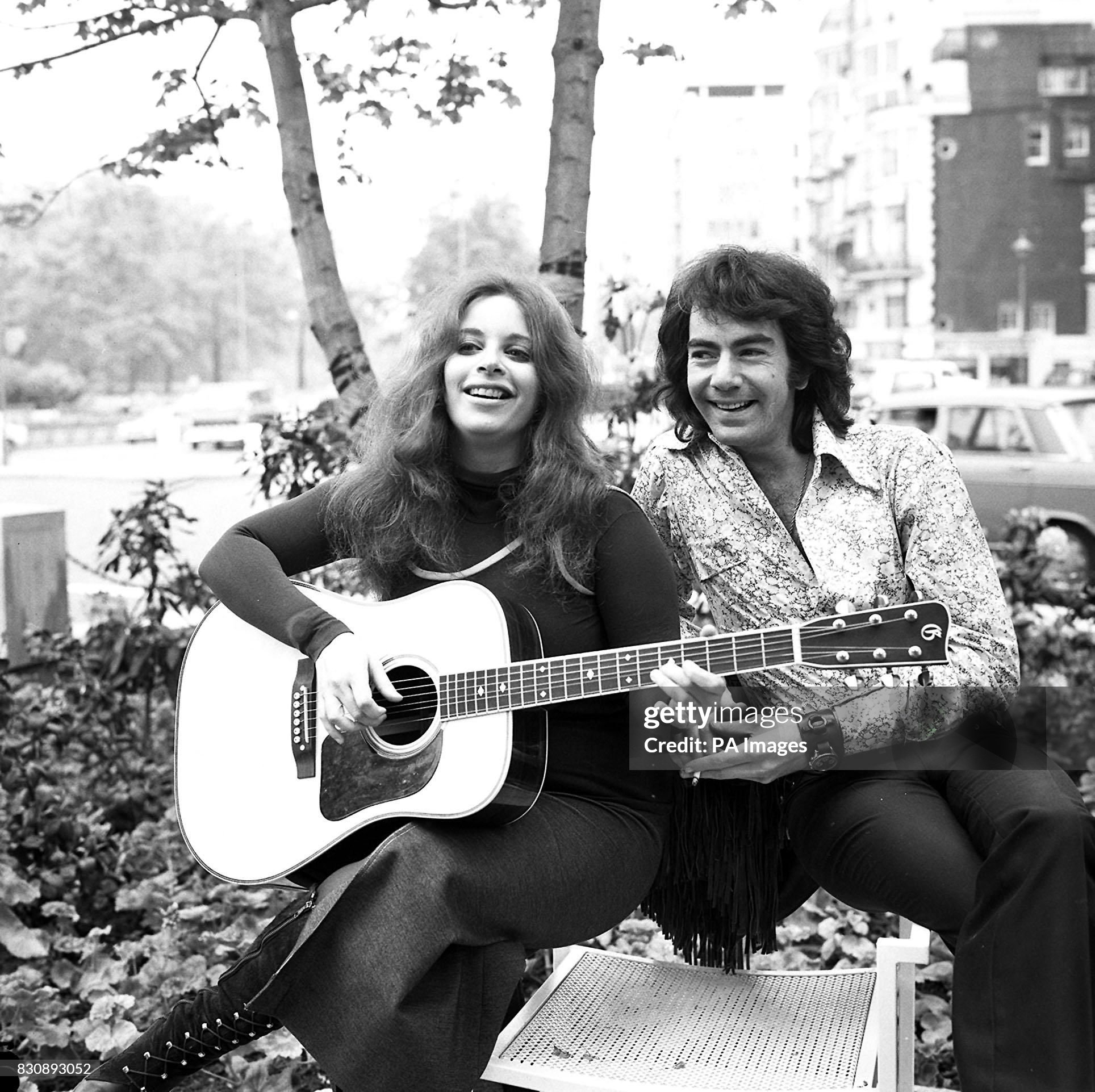
In its live form, Play Me becomes more than a love song. It feels like Neil Diamond quietly asking music itself to carry what ordinary words never fully could.
There were always bigger singalongs in a Neil Diamond concert. There were grander crescendos, louder choruses, and those familiar moments when an audience seemed to rise as one. But when Play Me appeared in a live set, something different happened. The temperature of the room changed. The applause settled. The song did not need to conquer the crowd; it drew the crowd inward. That is the special power of Neil Diamond Play Me (Live): it reveals the intimate craftsman inside the arena-filling star, the songwriter who knew that the softest invitation can sometimes leave the deepest mark.
First released in 1972 on the album Moods, Play Me arrived during one of the richest creative periods of Diamond’s career. It climbed to No. 11 on the Billboard Hot 100 and reached No. 6 on Billboard’s Easy Listening chart, proving that a gentle, reflective song could still make a strong commercial impression in an era crowded with bold records and larger-than-life personalities. Even on the radio, it stood apart. It did not push. It persuaded. It carried a graceful maturity that made it linger long after the last line.
Yet the live performance is where many listeners feel the song most deeply. In the studio, Play Me is elegant, carefully shaped, and full of warmth. Onstage, it breathes in a different way. Diamond’s phrasing becomes more conversational, the pauses feel more vulnerable, and the central metaphor of the song grows even more human. He is not simply singing about romance. He is singing about trust, expression, and the longing to be understood. When he delivers the line between melody and confession, the live version reminds us that some songs are not merely performed. They are offered.
The beauty of Play Me lies in its language. Diamond frames love through the imagery of music itself, turning affection into rhythm, harmony, and invitation. That idea is wonderfully simple, but it is not simplistic. The song suggests that real intimacy is a form of mutual listening. To know another person, and to be known in return, requires sensitivity, timing, and a willingness to hear what is not being said directly. That is why the lyric has endured. It is romantic, yes, but it is also thoughtful. It understands that closeness is not just passion. It is attention.
This is also one of the reasons Neil Diamond remained such a compelling songwriter throughout the early 1970s. He could write songs built for mass connection, but he never abandoned emotional nuance. On Moods, that balance is especially clear. The album carries the richness of a songwriter who had already achieved enormous success yet still wanted to explore quieter shades of feeling. Play Me fits that world perfectly. It is tender without becoming fragile, polished without losing sincerity, and poetic without drifting into vagueness. Diamond knew how to make a song feel accessible while still leaving room for reflection.
Live, those qualities become even more visible. A great performance of Play Me depends on restraint. It asks the singer to trust the song instead of overpowering it. Diamond was remarkably good at that balance. Even when he stood before thousands, he could deliver a line as if it had only one destination. That ability helps explain why so many concertgoers remember the quieter numbers with such affection. The showman could electrify a crowd, but the interpreter could stop time. Play Me belongs to that second category. It is one of those songs that makes a large venue feel briefly personal.
There is another reason the live version continues to resonate: it reveals a side of Diamond that casual listeners sometimes overlook. Because his catalog contains so many famous, communal hits, it can be easy to forget how subtle he could be as a writer and vocalist. Play Me is not built on spectacle. Its power comes from suggestion, from tone, from the way its melody opens gently instead of exploding. In concert, that subtlety can feel almost more daring than a big anthem. It asks the audience not just to join in, but to lean in.
And perhaps that is why the song has aged so beautifully. Many love songs are tied to the fashion of their moment. Play Me feels older and newer at once because its emotional center is timeless. It speaks to anyone who has ever hoped to be recognized beneath the surface, anyone who has ever turned to music when ordinary speech felt too blunt for what the heart was trying to say. Diamond did not dress that feeling in unnecessary complexity. He gave it melody, space, and tenderness. The live setting simply strips away the last bit of distance.
So when people return to Neil Diamond Play Me (Live), they are not only revisiting a beloved song. They are revisiting an atmosphere: a concert hall growing still, a familiar voice easing into one of his most graceful melodies, and a reminder that strength in popular music does not always arrive with thunder. Sometimes it arrives softly, almost conversationally, and stays for years. Play Me remains one of the finest examples of that gift in the Neil Diamond songbook, a performance piece that turns tenderness into something unforgettable.
