
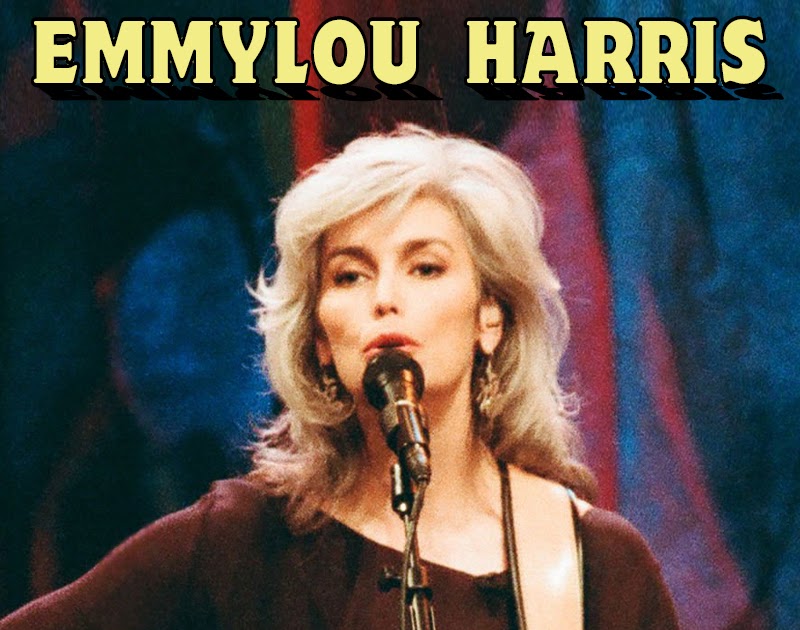
Lost on the River feels like one of Emmylou Harris‘s quietest truths: a song about drift, distance, and the ache of being carried forward while the heart is still looking back.
If there is one thing Emmylou Harris has always understood, it is that not every great song arrives with a blaze of radio glory. Some come softly. Some stay in the shadows. And some, like Lost on the River, seem to gather their full power only after the years have passed. This is not usually named alongside her most commercial country triumphs, and there is no widely cited major Billboard chart peak attached to it in the way there is for classics such as Together Again, To Daddy, or Beneath Still Waters. In that sense, its release story tells us something important right away: Lost on the River belongs less to the world of chart competition and more to the private, lasting side of Harris’s artistry.
That distinction matters. By the time listeners came to know Emmylou Harris as one of the essential voices in modern country and roots music, she had already built a reputation on elegance, restraint, and emotional intelligence. From Pieces of the Sky to Elite Hotel, from Luxury Liner to the later, atmospheric masterpiece Wrecking Ball, Harris never sang as if she were merely trying to impress. She sang as if she were trying to understand. That is the doorway into Lost on the River. The song is moving not because it shouts its sadness, but because it lets that sadness travel quietly, like water under a dark sky.
The title itself is already full of American musical memory. Rivers have always meant more than landscape in country, folk, and gospel songs. They can mean passage, exile, regret, salvation, time, or the distance between who we were and who we became. In Lost on the River, that image becomes deeply personal. The song suggests dislocation in more than a physical sense. To be lost on a river is not quite the same as being lost on a road. A road still implies choice. A river carries you. That is the emotional genius at the center of the song. Its sorrow comes from surrender, from realizing that some moments in life do not break with a loud sound. They simply drift away until one day you understand how far from shore you really are.
What makes Emmylou Harris such a singular interpreter of material like this is her voice. She has always had one of the clearest, most unforced sounds in American music, but clarity in her case never means emotional simplicity. Listen closely and you hear the opposite: hesitation, memory, grace, and a kind of quiet endurance. On Lost on the River, she does not push the lyric toward melodrama. She lets it breathe. That choice gives the song its dignity. Instead of turning heartache into spectacle, she turns it into atmosphere. The result is a performance that feels lived in, as though the pain in it has already had time to settle into the grain of the wood.
The backstory of a song is not always about dramatic studio legends or public conflict. Sometimes the story behind a performance lies in why a singer was drawn to that song in the first place. Harris has long gravitated toward writing and repertoire filled with wanderers, borderlands, hard-earned tenderness, and emotional aftermath. That instinct goes all the way back to the ache of her work with Gram Parsons and continues through the mature, reflective choices of her solo career. Lost on the River fits that lineage beautifully. It feels like the kind of song she would recognize immediately: spare in surface detail, but enormous in implication. A song where geography becomes feeling. A song where motion becomes loneliness.
Another reason it lingers is that it reveals a side of Harris that casual listeners sometimes miss. Because her voice is so beautiful, people sometimes talk about it as if beauty were the whole story. It never was. The deeper truth is that she has always known how to locate emotional fracture without overplaying it. In Lost on the River, beauty and fracture exist together. That combination is exactly what gives so much of her best work its staying power. The song does not ask for applause; it asks for recognition. It asks whether the listener has ever felt carried beyond a place that once felt like home, beyond an old love, beyond a former self.
And that may be why the song still resonates. It speaks to the kind of loss that does not announce itself at first. It is not only about romance, though romance may be part of it. It is also about time, and about the strange human experience of waking up inside a life you did not fully mean to leave behind. Harris sings that feeling with extraordinary tact. She does not force a conclusion or offer easy comfort. She simply inhabits the uncertainty.
So while Lost on the River may not carry the chart history of Emmylou Harris‘s most famous singles, it carries something that many hit records never achieve: an afterlife in the listener’s inner world. It is the kind of song that returns unexpectedly, often years later, and sounds even truer than it did the first time. In a career full of celebrated performances, that is no small thing. It is, in fact, one of the surest signs of art that lasts.
