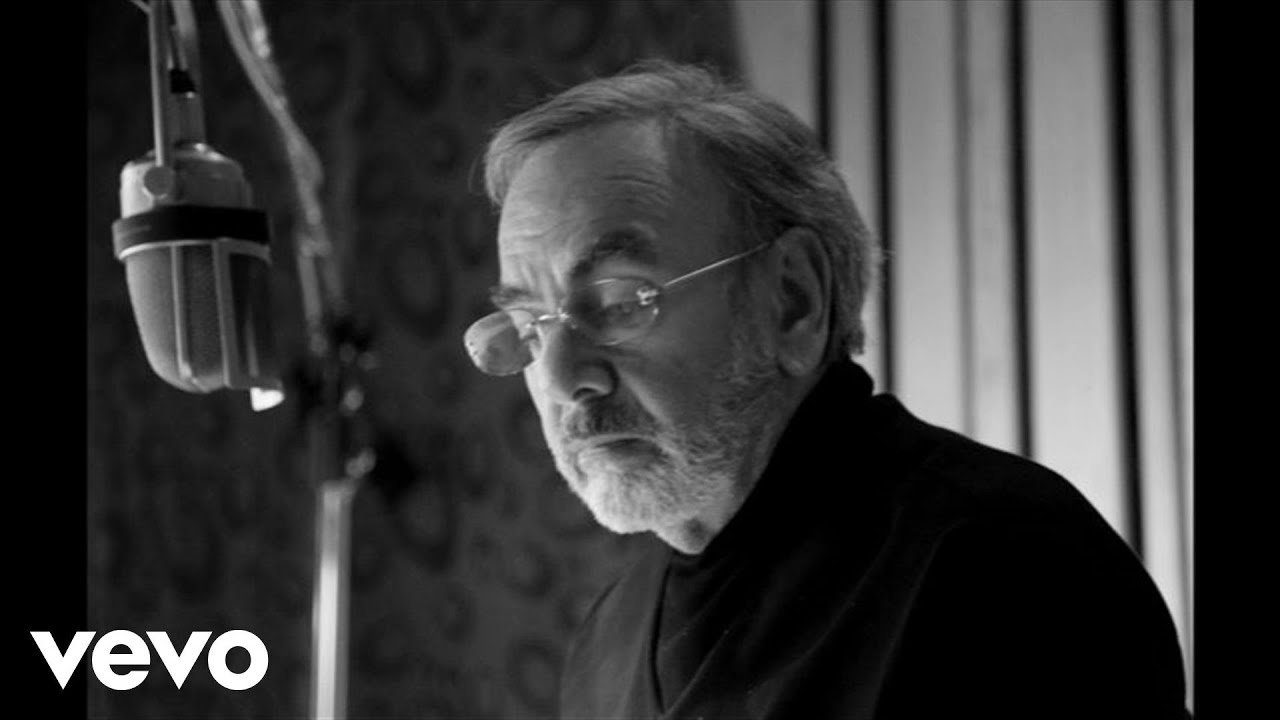
A quiet dawn confession, Deep In The Morning catches Neil Diamond in that fragile hour when success means little and the heart finally tells the truth.
Deep In The Morning is not one of the Neil Diamond songs that usually gets named first, and that is part of what makes it linger. Released on his 1971 album Stones, it came from a period when Diamond was writing with a fuller emotional weight than ever before. This was not the sound of a young hitmaker proving he could write hooks. This was the sound of a man turning inward, listening to the silence between the applause. Stones was led by the towering single I Am… I Said, which reached No. 4 on the Billboard Hot 100, and that success naturally drew most of the public attention. But deeper inside the album sat songs like Deep In The Morning, quieter and less celebrated, yet often closer to the bone.
That matters, because Deep In The Morning was not built as a chart weapon. It was an album piece, a mood piece, the kind of song that reveals itself slowly. In the early 1970s, Neil Diamond had already mastered the grand gesture. He could fill a chorus with ache and make it sound like it belonged to everyone. Yet on Deep In The Morning, he seems less interested in reaching a crowd than in naming a private loneliness. If I Am… I Said is the cry heard across a room, this song is the thought heard only when the room has emptied.
What gives the song its staying power is that it understands the emotional character of morning. Not the bright, cheerful morning of postcards and coffee ads, but the early hour when doubt arrives before the day can disguise it. That is where Deep In The Morning seems to live. It feels like a song about the unguarded self, about the moment when memory, regret, longing, and endurance all sit together without pretending to be anything else. Neil Diamond was always capable of dramatic force, but here the deeper strength is restraint. The feeling is not forced outward. It settles in, line by line.
Musically, the song belongs to the reflective side of Stones. The arrangement does not fight for attention. It supports the voice, giving the lyric room to breathe and ache. That was one of the great gifts of Diamond in this period: even when the production was polished, the emotional center still felt human, still sounded like a man thinking in real time. There is a weary grace in Deep In The Morning, and it mirrors the broader atmosphere of Stones, an album that balanced polished songwriting with a surprisingly intimate spirit. It is one reason the record still feels rich so many years later. The famous tracks may bring listeners in, but the deeper cuts often explain why they stay.
There is also something revealing about where this song sits in Diamond’s career. By 1971, he was no longer simply the writer of sharp, instantly memorable pop records. He had moved into a more expansive, more confessional form of songwriting. Questions of identity, distance, exhaustion, and emotional displacement were surfacing more often in his work. You can hear that clearly in the era’s biggest songs, but Deep In The Morning may express it even more delicately. It does not announce its pain. It carries it. That difference is everything.
For listeners who came to Neil Diamond through the big radio moments, songs like this can feel almost startling on a return visit. They remind us that the public voice and the private voice were never quite the same. The man who could command an arena also knew how to sound alone. That tension has always been one of the keys to his artistry. He was able to write songs that felt communal while still preserving the tremor of solitude inside them. Deep In The Morning belongs to that tradition. It is not flashy, not oversized, not hungry for applause. It simply tells the truth in a low voice.
And perhaps that is why the song continues to matter. Not every important recording earns its place through chart numbers or constant airplay. Some songs endure because they meet listeners in a quieter place. Deep In The Morning does exactly that. It stands as one of those beautifully underplayed moments in the Neil Diamond catalog where the writing, the mood, and the voice all serve the same emotional purpose. It captures the hour before distraction returns, before pride dresses itself for the day, before the world grows loud again. In that stillness, Neil Diamond did what he always did at his best: he made private feeling sound timeless.
So while Deep In The Morning may never rival the chart history of the biggest songs from Stones, its value lies elsewhere. It is one of those recordings that rewards maturity, patience, and repeated listening. The melody stays with you, but so does the atmosphere around it. It is tender without weakness, sad without collapse, intimate without self-pity. Those are difficult balances to hold, and Neil Diamond holds them beautifully here. Long after the famous choruses have passed through memory, this song remains like first light at the window: soft, honest, and impossible to mistake once you have really seen it.
