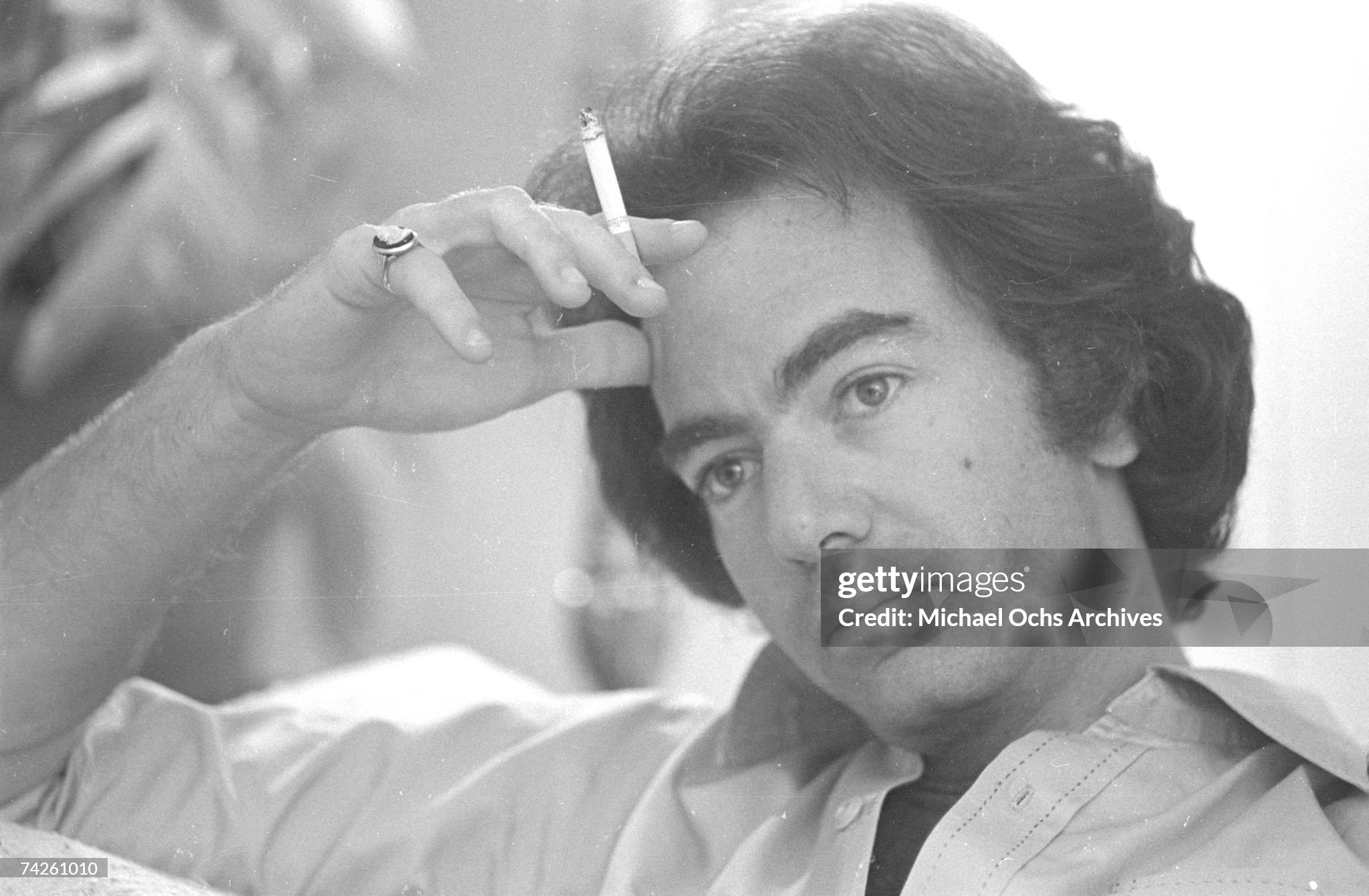
In the lean Bang Records years, Neil Diamond’s Kentucky Woman carried motion, desire, and a young songwriter’s confidence into the Billboard Top 25.
Released in 1967 as an original Bang Records single, Kentucky Woman captured Neil Diamond at a crucial early point, before the full arena-sized shape of his career had come into view. Written by Diamond himself, the record climbed into the Billboard Top 25, reaching No. 22 on the Hot 100, and it remains one of the clearest snapshots of his first major recording era: compact, driven, melodic, and full of forward pressure.
There is a particular electricity in Diamond’s Bang period. The songs do not yet have the grand sweep that later listeners would associate with Sweet Caroline, Cracklin’ Rosie, or the reflective scale of I Am… I Said. Instead, they move with the directness of a writer who knows the value of a hook, a beat, and a phrase that can survive the noise of radio. Kentucky Woman belongs to that world. It is not dressed up as a sprawling statement. It arrives quickly, finds its pulse, and lets Diamond’s voice carry the charge.
The title suggests a place, but the record is less a travel postcard than a burst of attraction and memory. Diamond sings the woman at the center of the song as someone vivid and self-possessed, someone whose presence seems to pull light toward her. The lyric has the plainspoken strength that marked much of his early writing: accessible enough to hit instantly, but shaped with enough character to keep the figure from feeling generic. The Kentucky woman is not simply an object of admiration; she becomes a force in the song’s motion, the reason the rhythm keeps pressing ahead.
Musically, the original single has the taut pop-rock character of its time. The arrangement does not waste space. Guitars, rhythm, and vocal phrasing work together in a way that feels built for AM radio, but not softened by it. Diamond’s performance is especially important. He does not sing it as a polished crooner standing safely outside the feeling. He pushes into the lines with a slightly rough insistence, letting the edges of his voice suggest hunger, impatience, and youthful certainty. That texture matters. It is part of why the record still feels alive rather than merely well-crafted.
What makes the 1967 Bang Records single so compelling in hindsight is the contrast between its modest scale and what Diamond would become. Later, he would command larger rooms, bigger arrangements, and audiences who treated his songs almost like communal rituals. Here, the drama is tighter. The ambition is still there, but it is packed into under-three-minute pop economy. You can hear a songwriter learning how to make emotion move fast, how to turn a personal spark into something immediate enough for the charts.
The song also has an interesting afterlife. Deep Purple recorded a harder-edged version of Kentucky Woman in 1968, proving how adaptable Diamond’s composition could be when placed in a different musical body. Yet the original Neil Diamond version has its own authority because it carries the song’s first identity. It is closer to the songwriter’s early voice, closer to the Bang Records moment when he was still establishing the balance between Brill Building craft, folk-rock directness, and the more commanding vocal persona that would soon become unmistakably his.
That is why the single’s Billboard success matters beyond the number. Reaching the Top 25 gave Neil Diamond another foothold in a decade crowded with new sounds and restless competition. It showed that his writing could travel, that his voice could cut through, and that his name was becoming more than an industry promise. Kentucky Woman did not need to announce a revolution. It worked by momentum, by confidence, by the kind of chorus that lodges itself in memory before the listener has time to resist.
Heard now, the record feels like an early photograph with sharp corners: young Neil Diamond, still in the Bang Records frame, already carrying the urgency of someone headed somewhere larger. The song’s charm is not only in its melody or its chart placement, but in that sense of becoming. It is the sound of an artist not yet monumental, not yet softened by myth, still close enough to the street-level pulse of pop songwriting that every beat seems to push him forward.
