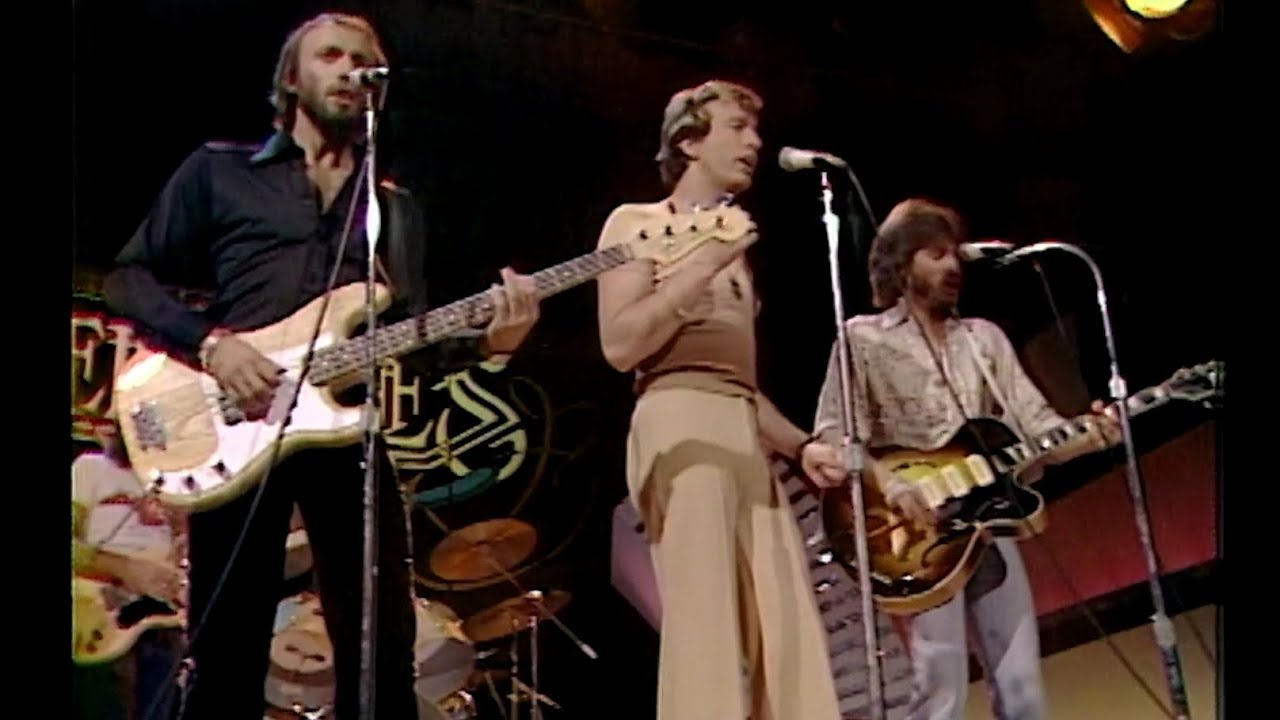
Before the Bee Gees became shorthand for another era, Please Read Me showed three brothers pushing pop toward something ornate, crowded, and strangely vulnerable.
Released in 1967 on Bee Gees’ 1st, Please Read Me belongs to the album’s quieter interior, the place where Bee Gees were not simply announcing themselves with singles but testing how much drama could be folded into a compact pop song. The LP was their first major international statement after early Australian success and their move into the British pop world, recorded largely at IBC Studios in London and produced by Robert Stigwood and Ossie Byrne. Around it sat the songs that made the group instantly legible to a wider audience: New York Mining Disaster 1941, To Love Somebody, and Holiday. Yet Please Read Me is the kind of deep cut that explains something just as important: the Bee Gees were already thinking in layers.
What makes the track fascinating is not only its melody, but its vertical design. In 1967, pop had a new appetite for ornament: chamber textures, formal shapes, and little flashes of studio strangeness that turned two or three minutes into miniature theatre. Bee Gees’ 1st sits inside that moment, close enough to the British baroque-pop current to share its taste for carved detail, but never quite losing the brothers’ instinct for direct melodic feeling. Please Read Me is not one of the grand public gestures of the record. It feels more like a message slipped into the arrangement, half confession and half construction.
The title Bee Gees’ 1st itself can mislead; the group had made records before, especially during their Australian years, but this album marked the beginning of their international identity. That matters when hearing Please Read Me. There is ambition in it, but also the pressure of arrival. Barry Gibb, Robin Gibb, and Maurice Gibb sound less like performers settling into a signature than young writers trying to discover how many selves a single vocal blend could hold. Their three-part harmony is dense without becoming smooth wallpaper. It gathers around the melodic line, presses against it, then seems to close in like thought itself.
This was before the group’s later rhythmic reinventions and before the high, instantly recognizable falsetto sound became part of pop memory. On this 1967 recording, the drama comes from close harmony, slight theatricality, and a melodic seriousness that refuses to treat youth as lightness. Robin’s keening color, Barry’s warmer steadiness, and Maurice’s connective presence formed a vocal grammar that could make a simple phrase feel crowded with implication. In Please Read Me, that grammar is already unusually mature: the voices do not merely answer one another, they thicken the emotional air.
The baroque-pop ambition is not simply a matter of adding decoration. Many groups in 1967 reached for ornate surfaces, but the Bee Gees had a particular gift for making arrangement feel like psychology. The song’s shape suggests restraint more than spectacle. Its emotional pull comes from compression: close voices, carefully placed changes, and the sense of a narrator trying to be understood through a veil of melody. Even the title sounds like an appeal rather than a demand. Please read me: not please admire me, not please remember me, but please look carefully enough to understand what is being said beneath the formal beauty.
As a deep cut, Please Read Me also helps broaden the picture of Bee Gees’ 1st. The album is often introduced through its more famous songs, and understandably so. To Love Somebody became one of the group’s most covered compositions; New York Mining Disaster 1941 carried a mysterious narrative charge; Holiday revealed their gift for mournful elegance. But the lesser-discussed tracks show how wide the group’s early imagination was. Please Read Me lives in that territory where pop craft, sibling instinct, and studio-era experimentation meet without fully explaining themselves.
Heard now, the recording does not feel like a rough draft for the Bee Gees the world would later celebrate. It feels like a different doorway: a glimpse of a group fascinated by voices as architecture, by melody as coded emotion, by the possibility that a pop song could be ornate and vulnerable at the same time. Its power is modest, but not small. It asks for attention in the way many of the best album tracks do: not by shouting from the center of history, but by waiting in the margins until the listener is ready to hear the ambition tucked inside.
