On Sound Magazine, a polished television-pop album track gave David Cassidy room to sing regret as something quiet, adult, and real.
The Partridge Family’s I Would Have Loved You Anyway appeared on the group’s 1971 album Sound Magazine, a Bell Records release that arrived while the television series and its music were still moving together through the center of early-seventies pop culture. Written by Tony Romeo and led vocally by David Cassidy, the song occupies a revealing place in the catalog: not one of the most commonly named hits, but a track that shows how much emotional weight Cassidy could bring to a carefully constructed pop setting.
By the time Sound Magazine was released, The Partridge Family had become a strange and highly successful hybrid. On television, the group was a fictional family band with bright colors, gentle comedy, and weekly storylines. On record, it was a real pop project shaped by producer Wes Farrell, professional Los Angeles studio craft, and the recognizable presence of Cassidy’s voice, often supported by Shirley Jones. That tension between make-believe and real feeling is part of what gives the best Partridge Family recordings their lasting pull. The packaging may have belonged to a television phenomenon, but the vocal at the center could still land with surprising sincerity.
Tony Romeo was already deeply connected to the group’s identity. He had written I Think I Love You, the 1970 breakout that helped turn the television family into a major pop-radio presence. That song had the nervous rush of a confession arriving before the singer knew what to do with it. I Would Have Loved You Anyway, just from its title, carries a different emotional grammar. It is not the excitement of discovery, but the ache of looking back. The phrase feels conditional, almost too late, as if affection has survived even after the circumstances around it have changed.
That is where David Cassidy becomes more than the handsome face of a television band. His lead vocal gives the song its human center. Cassidy’s strongest Partridge performances often worked because he did not oversing them. He had a voice bright enough for AM radio, but with a slight vulnerability at the edges, a quality that could make polished pop sound less manufactured than it might have seemed on paper. In I Would Have Loved You Anyway, that quality matters. The song does not need him to sound wounded in a theatrical way; it needs him to let the feeling pass through the melody without forcing it.
One of the quiet pleasures of album tracks from this period is that they sometimes reveal the singer in a less public posture. The bigger singles had to carry the full force of the brand: instantly memorable hooks, radio clarity, and the sunny momentum that matched the series’ weekly visibility. Sound Magazine included well-known Partridge Family material such as I Woke Up in Love This Morning and Summer Days, songs that fit the group’s clean, melodic pop image. But a track like I Would Have Loved You Anyway gives the album a softer interior. It asks less of the spotlight and more of the listener’s patience.
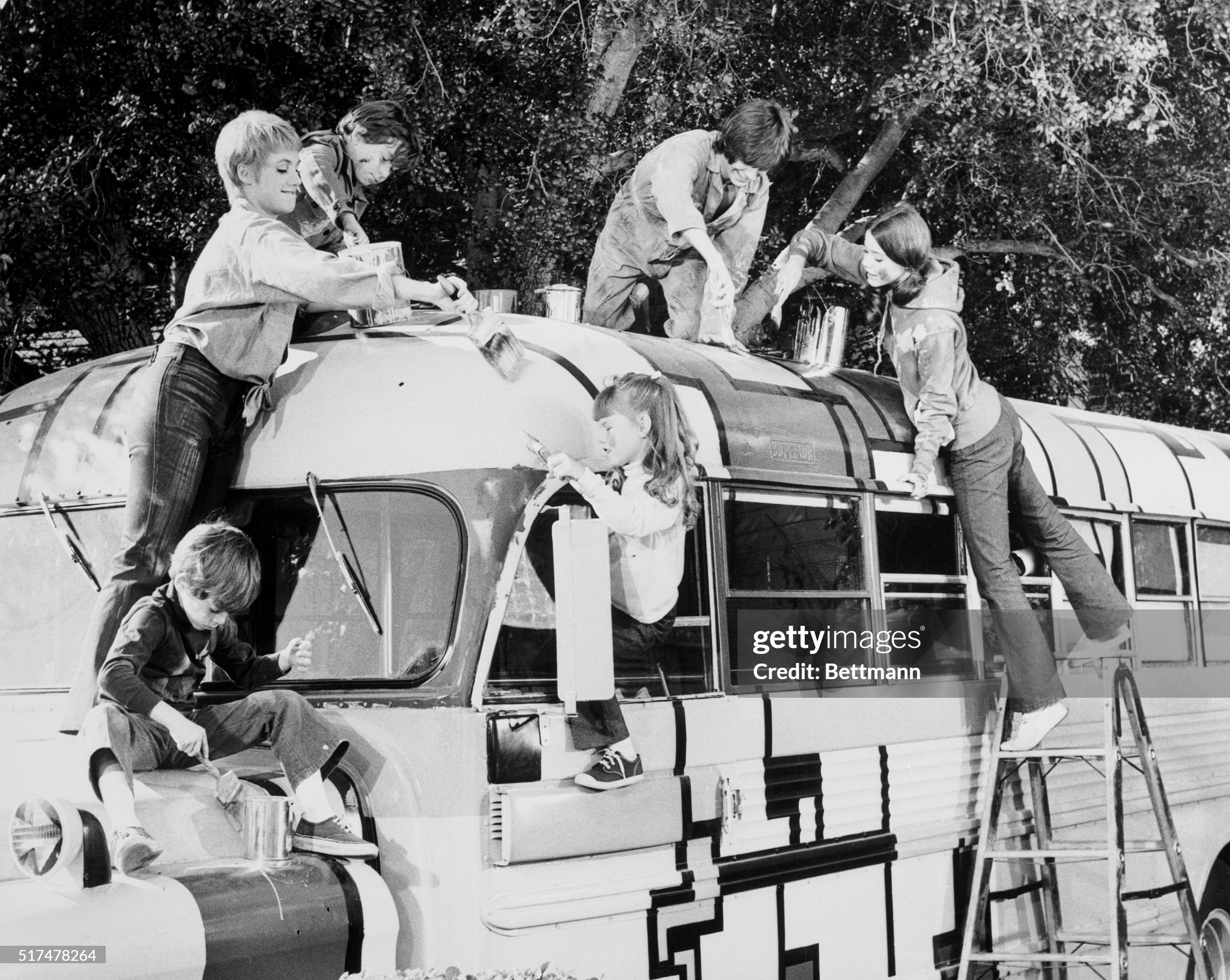
Heard in that context, the recording becomes a small reminder of what Cassidy was navigating in 1971. He was both character and singer, teen idol and working vocalist, television son and pop star. Audiences saw the smile, the hair, the bus, the family-band fantasy. Records like this let another dimension slip through: a young voice trying to make adult emotions believable inside a format built for mass appeal. The achievement is modest but meaningful. Cassidy does not turn the song into a dramatic confession; he makes it feel plausible, which may be harder.
The Partridge Family catalog is sometimes dismissed too quickly because of its television origins, as if a song attached to a scripted series cannot carry real feeling. Yet pop history is full of art made inside commercial machinery, and sometimes the machinery creates the frame that makes the feeling stand out more clearly. I Would Have Loved You Anyway is valuable for that reason. It does not ask to be treated as a grand statement. It simply shows a young singer finding emotional shape inside a Tony Romeo melody, surrounded by the smooth discipline of early-seventies studio pop.
More than five decades later, the song invites a gentler kind of listening. It is not only a souvenir from a television album or a footnote in the rise of David Cassidy. It is a reminder that the most revealing moments in a pop career are not always the loudest ones. Sometimes they arrive as an album cut, tucked between brighter songs, where a familiar voice suddenly sounds a little older, a little more exposed, and a little closer to the person behind the image.
