
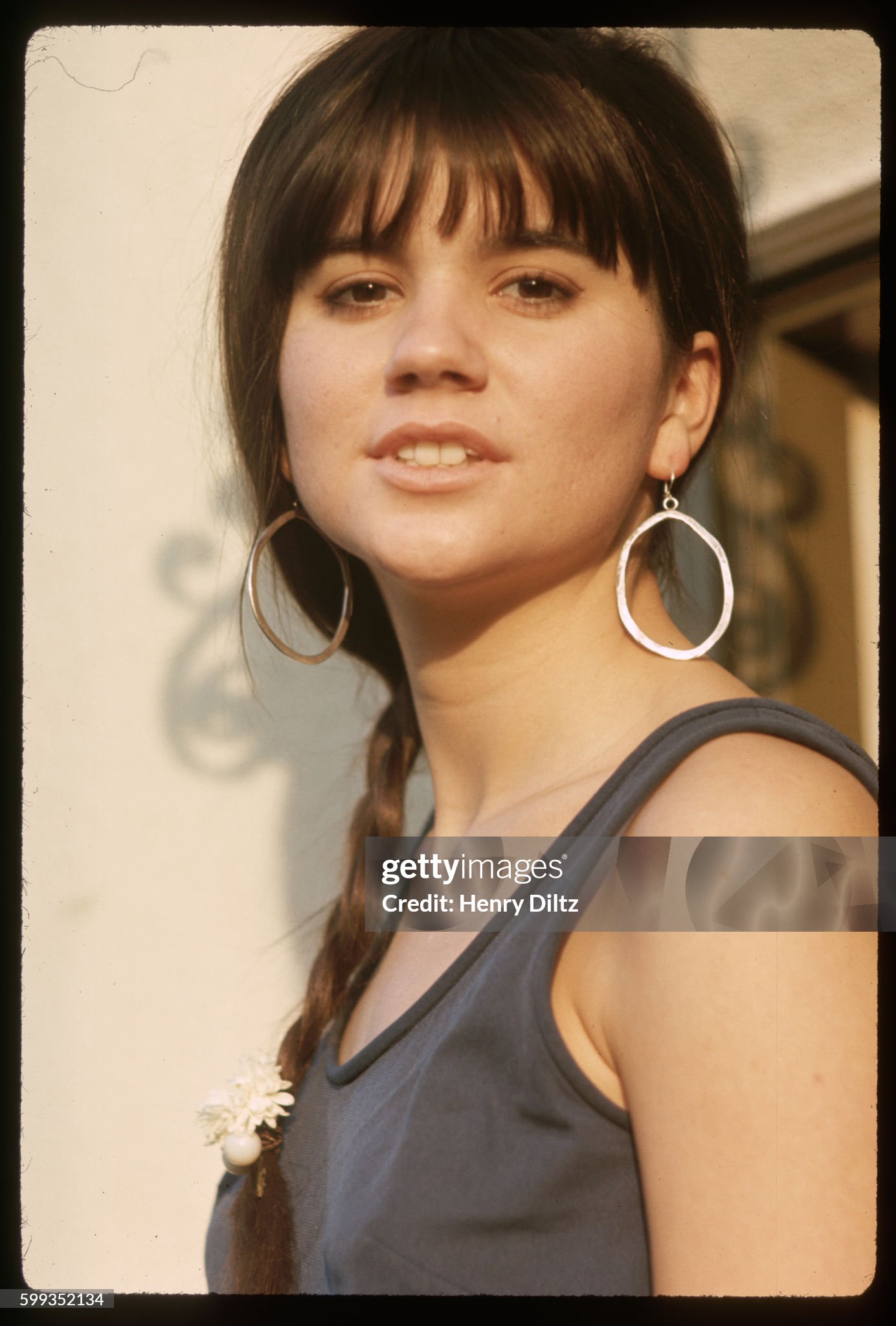
On Prisoner in Disguise, Linda Ronstadt turns Jimmy Cliff‘s Many Rivers to Cross into a quiet test of endurance, where the ache is never exaggerated and the strength never has to announce itself.
When Linda Ronstadt recorded Many Rivers to Cross for her 1975 album Prisoner in Disguise, she was already moving into that rare space where commercial success no longer confined her taste. The album arrived after Heart Like a Wheel had made her one of the defining voices of the mid-1970s, but this particular track says something subtler than stardom. Written by Jimmy Cliff and first released at the end of the 1960s, the song carried a gospel-shaped weariness even before it became widely known through The Harder They Come. Ronstadt did not treat it as a genre exercise or a respectful museum piece. She heard the private gravity inside it, and on Prisoner in Disguise she gave that gravity room to breathe.
That matters because Prisoner in Disguise is one of the records that explains why Ronstadt was never as simple as the country-rock label suggested. Produced by Peter Asher, the album moves with remarkable ease between styles, carrying songs like Love Is a Rose, Tracks of My Tears, and Heat Wave without sounding restless or scattered. Ronstadt’s gift was not merely that she could sing almost anything. It was that she could find the emotional center of very different songs and make them feel as though they had been waiting for her voice. In that setting, Many Rivers to Cross becomes more than an unexpected selection. It becomes a clue to the depth of her listening: a West Coast star stepping into a song born from another musical and cultural world, not to imitate it, but to answer it honestly.
Jimmy Cliff‘s original has the force of testimony. Its melody rises like a plea, and the words carry the weariness of distance, loneliness, and sheer perseverance. Ronstadt keeps that emotional architecture intact, but she approaches it from a different angle. She does not copy Cliff’s phrasing, and she does not try to recreate the exact atmosphere of the original recording. Instead, she leans into the song’s soul current, letting it unfold as a slow-burning confession. The performance feels less like a show of interpretive bravado than a study in restraint. The drama is present from the opening bars, but it is held in check. That choice is what gives the recording its pull. You are not being pushed toward feeling; you are being invited into it.
Ronstadt’s voice had always carried clarity and force, yet one of her deepest strengths was knowing when not to overpower a song. On Many Rivers to Cross, she resists the temptation to turn every line into a grand statement. She lets the phrases gather weight gradually, as if each one has had to travel a little farther than the last. When the lyric reaches its hardest admissions, the performance does not suddenly become theatrical. It grows more inward. That inwardness is crucial. The song is about endurance, but not the triumphant kind that arrives with brass and applause. It is endurance as daily fact, endurance as something the body and voice have learned because there was no other choice. Ronstadt sings with that understanding, and the result is moving precisely because it never begs to be called moving.
There is also something revealing about where this track sits in her catalog. Ronstadt had hits, radio staples, and performances that announced themselves immediately. Many Rivers to Cross works differently. It feels like the kind of album track that waits for the right listener, or for the right hour, before fully opening. It does not chase you. It settles over the room. In that sense, it shows how serious Ronstadt was about the craft of interpretation. She was not only choosing songs that suited her range; she was choosing songs that widened the emotional language of her records. This cover lets her step away from pure polish and into something more searching, where the beauty of the voice is matched by patience, humility, and emotional control.
Heard in the context of 1975, the track is even more striking. Popular music was full of firm categories, yet the best artists kept slipping through them. Ronstadt could place a Jimmy Cliff song beside country material and Motown material on the same album and make the whole thing feel coherent. That was not because genre no longer mattered. It was because she understood that songs travel when singers hear their human core. Many Rivers to Cross is built on longing, fatigue, and willpower, and those feelings do not belong to one scene alone. Ronstadt recognizes that. Her version respects the song’s spiritual ache while translating it into her own musical language, a language shaped by California studio craft, pop intelligence, and a singer’s instinct for emotional truth.
Nearly fifty years later, this recording still has the power of a late-night discovery. It reminds you that some of an artist’s most revealing moments are not always the tracks that dominate the conversation. On Prisoner in Disguise, Linda Ronstadt‘s reading of Many Rivers to Cross feels like a pause inside a busy and brilliant career, a place where the shine gives way to something more exposed. She does not claim the song as if it were hers alone, and that is part of the beauty of the performance. She enters it with respect, carries it with feeling, and leaves behind a version that sounds lived in rather than displayed. It is the voice of a great singer understanding that sometimes the deepest thing she can do is hold a song steady and let its lonely road speak for itself.
