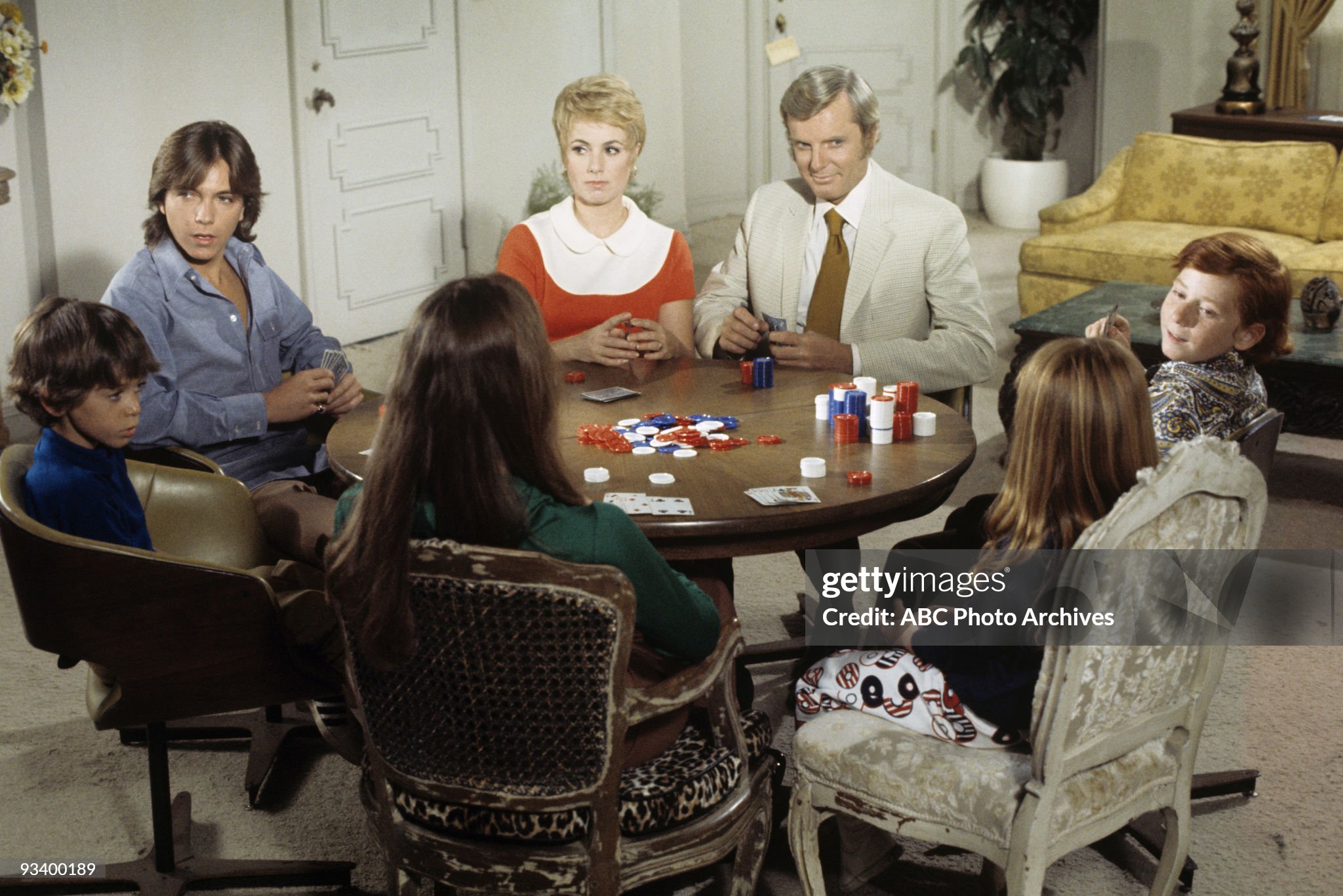
Sometimes the real measure of a pop era sits on the back of the single; The Partridge Family’s “Twenty-Four Hours a Day” carries the same bright, restless pulse that made Sound Magazine feel so alive in 1971.
In 1971, The Partridge Family issued “Twenty-Four Hours a Day” as the B-side to “I Woke Up in Love This Morning”, a pairing drawn from the album Sound Magazine. That detail is more than collector’s trivia. In the age of the 45, the flip side was part of the statement. It sat in the same sleeve, traveled home from the record store with the hit, and waited for the listener who cared enough to turn the disc over and hear what else an album era was trying to say.
By the time Sound Magazine arrived, The Partridge Family were already far more than a television premise with a catchy theme. The series may have introduced the family band to a huge audience, but the records had to survive on radio terms, and by late 1971 they clearly could. Released on Bell Records, with producer Wes Farrell shaping the sound and David Cassidy at the center of the lead vocals, the group had become one of the most reliable pop presences of the moment. Sound Magazine, their third album, captured that confidence. The performances felt tighter, the hooks arrived faster, and the whole enterprise sounded fully at home in the fast-moving language of AM pop.
That is what makes “Twenty-Four Hours a Day” so revealing. It is not famous because it dominated the charts or because it rewrote the group’s story. It matters because it shows how much of the Partridge Family appeal lived beyond the headline single. Heard beside “I Woke Up in Love This Morning”, the B-side feels like part of the same carefully lit world: youthful feeling refined into something crisp, melodic, and immediately accessible. This was pop built for quick connection, but not without craft. The song sits comfortably inside the bright architecture of Sound Magazine, where polish and warmth are never quite at odds.
There was a special intimacy to B-sides in that period. Radio gave you the song everyone knew; the reverse side gave you the song that belonged a little more personally to the person holding the record. You could almost feel the pause between tracks: lifting the needle, turning the 45 over, setting it down again, and hearing a second doorway open. “Twenty-Four Hours a Day” benefits from exactly that kind of listening. It does not have to compete with the mythology of a blockbuster hit. Instead, it gets to do something subtler. It rounds out the emotional weather of the single and makes Sound Magazine feel less like a container for one radio favorite and more like a complete pop environment.
That mattered for The Partridge Family more than people sometimes admit. Because the act was tied to television, it has often been remembered first through image and phenomenon. But the records reveal a steadier truth. These were smartly assembled studio productions with a strong sense of proportion. David Cassidy did not simply front a brand; his voice gave the songs their lift, that blend of eagerness and control that helped make even the lighter material sound committed rather than casual. A track like “Twenty-Four Hours a Day” reminds you that the machinery behind the group was real craftsmanship, not just marketing wrapped in melody.
The album title Sound Magazine now feels almost perfect for the period. It suggests a sequence of quick, glossy impressions, but also a package curated with purpose. That is very close to what The Partridge Family were doing in 1971. They were not making sprawling statements; they were making concise pop records that moved fast and stayed memorable. The B-side format fit that sensibility beautifully. A listener could hear the public face of the era on one side and then, with a literal turn of the wrist, hear another shade of the same moment on the other.
So “Twenty-Four Hours a Day” endures as one of those songs that tells the truth of its time by staying slightly off-center from the spotlight. It is part of the fabric of Sound Magazine, part of the run that made The Partridge Family such a real presence in 1971, and part of what made the single format feel richer than a chart listing alone can ever show. Sometimes the clearest way to hear an era is not through the song that led the sales pitch, but through the one waiting patiently on the back, carrying the same bright pulse into the room a second time.
