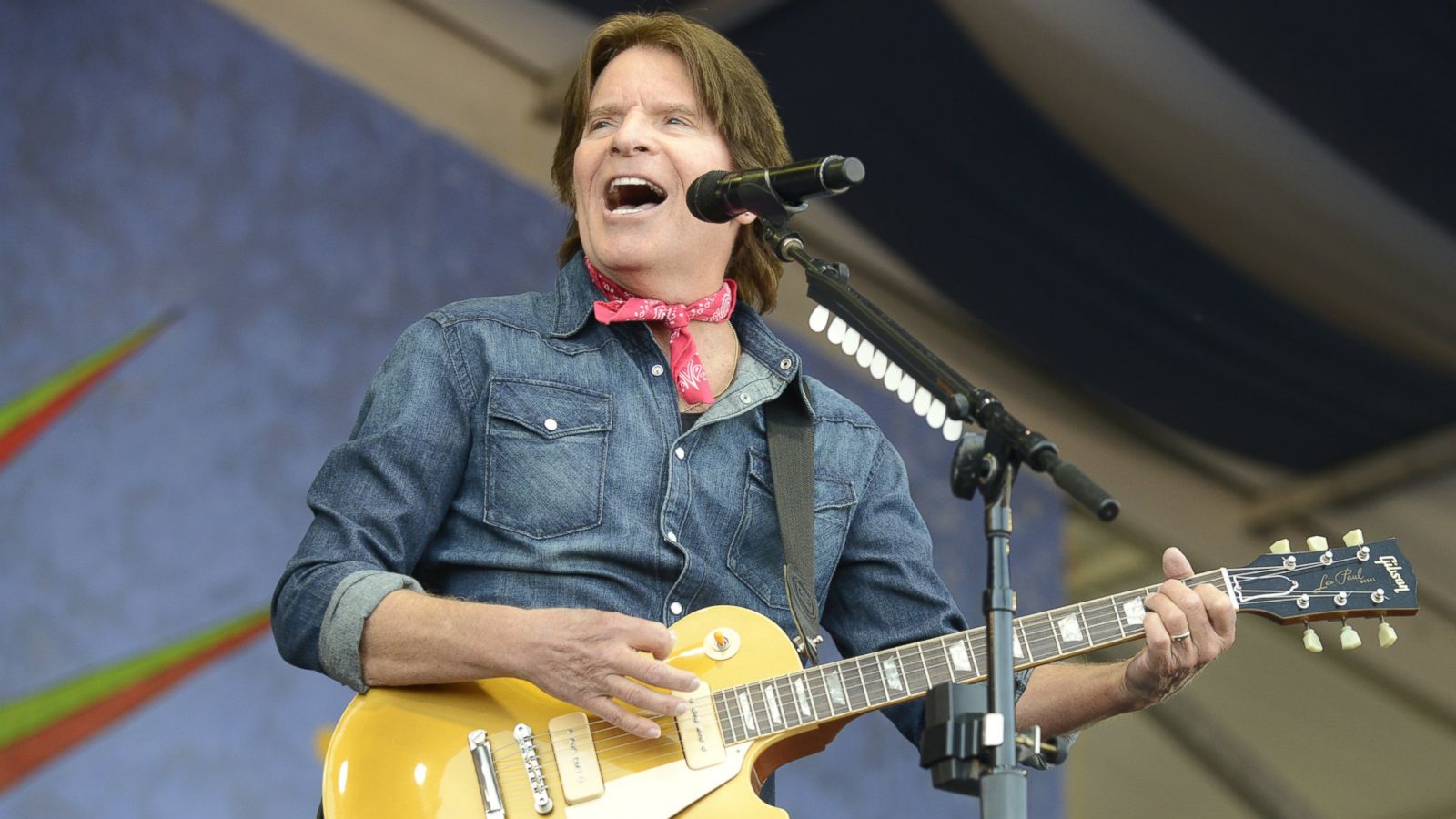
On Sail Away, Creedence Clearwater Revival sounded almost serene, even as Mardi Gras captured a band in its final, deeply fractured days.
There is something especially moving about hearing Creedence Clearwater Revival at the point where the old certainty was slipping away. By the time Mardi Gras arrived in 1972, the group was no longer the relentless hit-making machine that had stormed through the end of the 1960s. Tom Fogerty was already gone, the remaining trio was strained, and the sessions for what became the band’s final studio album were shaped by compromise, fatigue, and long-simmering resentment. In that uneasy setting, “Sail Away” stands out immediately: a rare John Fogerty original on an album designed around a new and awkward “everyone gets a turn” arrangement. It was not issued as a major charting single, so it never had its own Hot 100 run, but the parent album Mardi Gras still reached No. 12 on the Billboard 200. Even that number told a story. For a band that had once seemed almost incapable of missing, this was a quieter, more troubled chapter.
The background matters here, because “Sail Away” cannot really be separated from the mood of the sessions that produced it. After years of carrying the heaviest creative burden, John Fogerty agreed—reluctantly, by most accounts—to let Stu Cook and Doug Clifford write and sing more of the material. On paper, it sounded democratic. In practice, it exposed how far the chemistry had weakened. Mardi Gras became a document of that internal split, with each member taking a more visible share than before. That is exactly why a John Fogerty song like “Sail Away” feels so important. It is one of the moments on the album where listeners can still hear the instinctive craft, melodic control, and emotional clarity that had defined classic CCR.
Musically, “Sail Away” does not arrive with the pounding force of “Travelin’ Band” or the lean bite of “Green River.” Instead, it moves with a lighter, gentler current. The arrangement feels unhurried, almost deceptively easy, and that softness is part of its power. Rather than fighting for attention, the song drifts in and settles. It has the grace of a man choosing distance over noise, motion over argument, horizon over confinement. In another season of the band’s life, one might hear it simply as a wistful, tuneful detour. But on Mardi Gras, that title—“Sail Away”—starts to sound like more than a pleasant phrase. It feels like a state of mind.
That is what gives the song its lingering emotional weight. Heard in isolation, it is a strong album track, warm and melodic, touched with that unmistakable Fogerty sense of movement. Heard in context, it becomes something sadder and more revealing. This was a band working in pieces, no longer joined by the same urgency that had once made their records sound so direct and alive. The old unity had been replaced by negotiation. The old fire had been interrupted by distance. And yet “Sail Away” still carries a quiet dignity. It never sounds bitter. It never sounds theatrical. If anything, its restraint is what makes it so affecting. It suggests release without triumph, departure without grand speech.
There is also a broader historical irony in the song’s placement. Creedence Clearwater Revival built its legend on economy, drive, and focus. Their greatest records felt stripped to the bone in the best possible way—nothing wasted, nothing overplayed, everything pointed toward the song. But Mardi Gras was received as a troubled ending, and many critics heard it that way immediately. Over time, the album’s reputation has remained complicated, often discussed more for what it revealed about the breakup than for its consistency. Still, within that damaged frame, John Fogerty’s contributions—especially “Someday Never Comes,” “Lookin’ for a Reason,” and “Sail Away”—have endured as reminders that the central writing voice of CCR had not disappeared. It was simply operating inside a band that no longer functioned as one.
If the chart story of this period lacked the old dominance, the emotional story gained something more reflective. “Someday Never Comes,” the album’s best-known single, reached No. 25 on the Billboard Hot 100, but “Sail Away” remains one of the deeper cuts that rewards listeners who return to the album with patience. It is not built for radio drama. It is built for the long afterglow—for the moment when a listener, years later, hears how calm a song can sound when made in the middle of private exhaustion. That contrast is the key to its meaning. The music feels open, but the history around it feels closed in. The melody drifts, while the group itself was running out of room.
Perhaps that is why “Sail Away” has such a haunting place in the Creedence Clearwater Revival story. It preserves the sound of John Fogerty still writing with elegance and instinct, even as the structure around him was failing. It captures a final album not at its noisiest, but at one of its most revealing points: a beautiful, low-key performance born in sessions that were anything but relaxed. For listeners who know CCR mainly through the thunder of the hits, this song offers another kind of truth. Not the band charging down the highway, but the band looking toward open water because the shore behind them had become too difficult to stand on. In that sense, “Sail Away” is more than a late-period album track. It is one of the softest and clearest windows into how Creedence Clearwater Revival came to its end.
