After reunion and uncertainty, “Lonely Days” became the sound of the Bee Gees finding each other again—and America listening in.
There are comeback records, and then there are songs that feel like a family speaking to itself in public. “Lonely Days” by the Bee Gees, taken from the 1970 album 2 Years On, belongs in that rarer category. It was more than a strong single. It was the record that confirmed the brothers had truly regrouped after a turbulent period, and it became a milestone that still deserves to be remembered with real weight: in the United States, the song rose to No. 3 on the Billboard Hot 100, giving the group its first American Top 5 hit. For a band whose story had already included brilliance, strain, separation, and reunion, that chart achievement was not a footnote. It was a turning point.
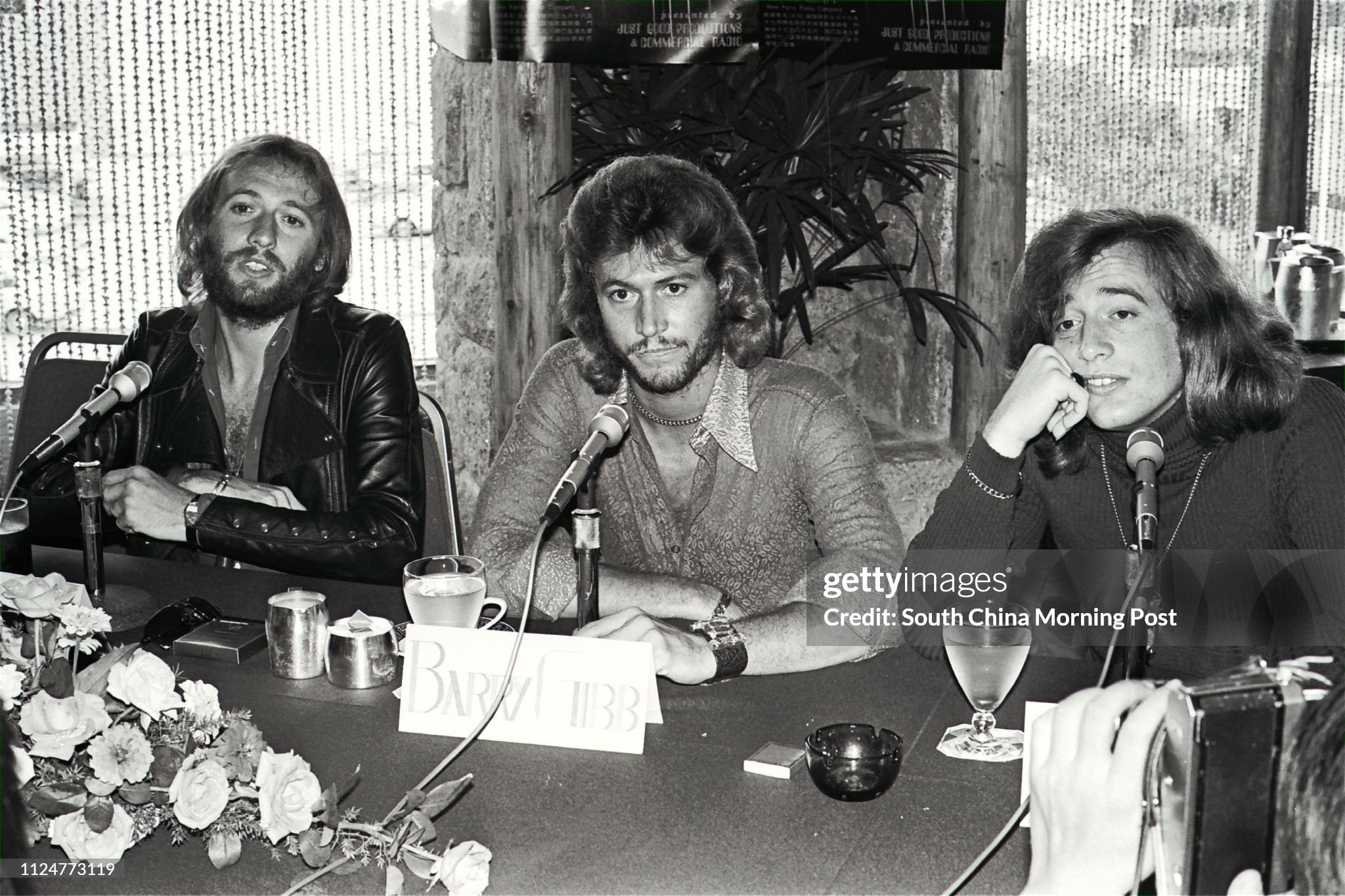
By the time “Lonely Days” reached listeners, the Bee Gees were no longer simply the wunderkind harmony group of the late 1960s. The bond between Barry Gibb, Robin Gibb, and Maurice Gibb had been tested. In 1969, Robin left the group during a difficult internal split, and for a while it seemed possible that the singular chemistry of the brothers might not return in its full form. Their 1970 reunion changed that story. 2 Years On was the album that marked Robin’s return, and “Lonely Days” arrived as if to announce that the emotional center of the band had been restored.
That background matters because you can hear it in the song. “Lonely Days” does not sound casual. It sounds earned. The opening carries a gentle ache, but the record never stays still for long. It swells, lifts, and opens into those unmistakable stacked harmonies that made the Bee Gees feel unlike anyone else. There is melancholy in the title, certainly, but there is also release. The performance moves with the feeling of people who know what absence costs. That is part of why the song hits with such force. It is not merely about loneliness as a poetic idea. It feels shaped by distance, disagreement, and the relief of return.
Musically, the record also showed how confidently the group could bridge eras. The Bee Gees had already proved themselves as masters of melody, but “Lonely Days” blended pop craft with gospel-like lift, dramatic arrangement, and a kind of emotional architecture that seemed to build from private sorrow toward communal affirmation. Listeners often point to the echoes of rich vocal pop and even traces of the era’s grander studio ambition, yet the song remains unmistakably their own. What gives it lasting power is not just the arrangement, but the conviction inside it. When those harmonies rise, the song seems to step out of isolation and into reunion.
The commercial response in America mattered deeply. Although the Bee Gees had already enjoyed major success in earlier years, the U.S. chart performance of “Lonely Days” sent a clear message that this was not a nostalgic afterglow or a polite return. The record climbed to No. 3 on the Billboard Hot 100 in early 1971, becoming their first U.S. Top 5 hit, and it also performed strongly enough to underline the breadth of their comeback. In practical terms, it restored momentum. In emotional terms, it told the industry—and perhaps the brothers themselves—that the reunion had produced something real.
That is one reason “Lonely Days” occupies such an important place in the Bee Gees story. People often discuss the group through their later global dominance, especially the dazzling reinvention that would come in the second half of the 1970s. But long before that era reached full bloom, this song had already performed a quiet miracle. It stabilized the narrative. It reminded audiences that the Gibb brothers were not only survivors of internal conflict, but artists still capable of making records with tenderness, drama, and wide commercial appeal.
Lyrically, the song circles a familiar pain—the dragging weight of separation—but it does so in a way that feels broad enough for almost anyone to enter. That may be part of the reason it traveled so well. A listener did not need to know the band’s internal history to feel the pull of the song. Yet when that history is known, the record becomes even richer. The loneliness in the lyric sits beside the memory of the group’s own fracture. The yearning in the melody seems to reflect not just romantic distance, but the fear of losing something irreplaceable. Then, in the chorus and the great upward rush of the arrangement, the song seems to answer itself.
2 Years On is sometimes discussed as a transition album, and in one sense it certainly was. But “Lonely Days” makes that transition feel less like a bridge and more like a declaration. It is the sound of a band reclaiming trust in its own voice. The record proved that the reunion of Barry, Robin, and Maurice was not symbolic. It was creative. It was commercially vital. And in the United States, it produced a chart milestone that opened the next chapter.
Looking back now, what lingers is not only the number beside the song on the chart, though No. 3 remains a meaningful marker. What lasts is the emotional shape of the moment. “Lonely Days” carried sadness, gratitude, and renewal all at once. It sounded like reconciliation without having to announce itself as such. And that may be why it still resonates: beneath the polished arrangement and glorious harmonies is a simple, deeply human truth. Sometimes the songs that matter most are the ones made after the silence, when people find their way back to one another and sing as if they know exactly what was almost lost.
