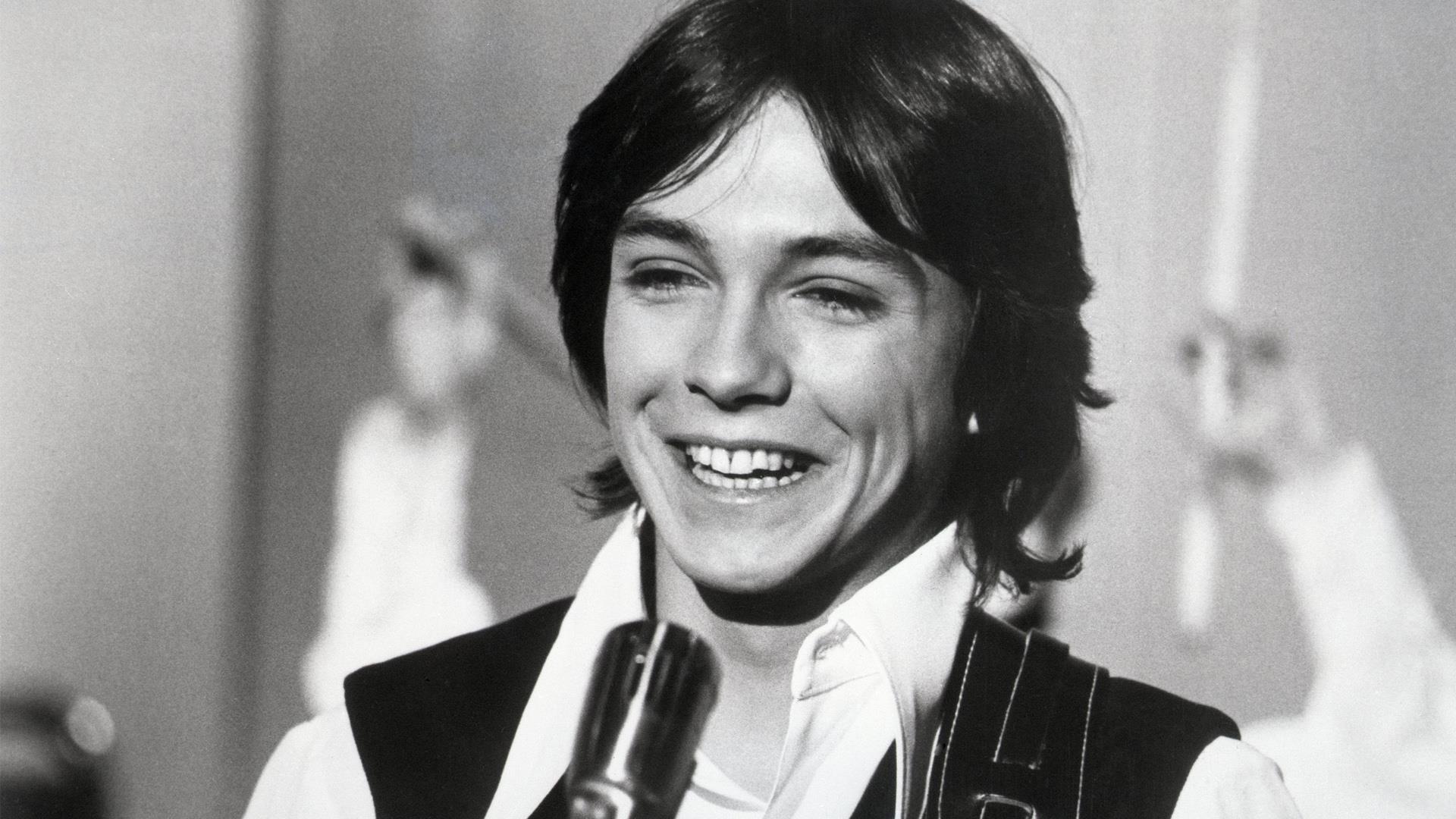
A hidden 1972 gem, Some Kind of a Summer shows how David Cassidy could turn a light pop moment into something tender, wistful, and unexpectedly lasting.
Some Kind of a Summer was never the loudest chapter in the David Cassidy story, and that is exactly why it still feels special. Released in 1972 as part of the Rock Me Baby album era, the song did not become one of his major standalone chart hits, and it did not register an individual chart position of its own as a single. But sometimes that tells us more than a chart peak ever could. This is the kind of recording that lives beyond countdowns. It belongs to the private part of fandom, the part that starts after the radio hit ends, when someone lifts the needle, turns the record back, and listens again.
In 1972, David Cassidy was already much more than a television idol. Thanks to The Partridge Family, he had become one of the defining faces of early-1970s pop culture, but his solo material gave listeners a different way to hear him. The public image was bright, glamorous, and deafeningly popular. The records, though, could sometimes reveal a softer center. Some Kind of a Summer sits beautifully in that space. It is not built to overwhelm. It drifts in, warm and melodic, carrying the glow of a season that already feels like memory.
That is one reason the song works so well within Rock Me Baby. The album title suggests energy, movement, even a little swagger, and parts of the record certainly lean into that commercial, upbeat side of Cassidy’s appeal. But Some Kind of a Summer offers contrast. It brings in a more reflective mood, one that lets his phrasing matter. He does not have to race the arrangement. He can simply inhabit the melody. The result is a performance that feels less like a manufactured rush and more like a passing emotional weather front: sunny on the surface, but touched by the knowledge that nothing golden stays for long.
The meaning of the song lies in that balance. On first listen, it can feel easy and breezy, the kind of early-70s pop that slips by on charm alone. Listen more closely, though, and there is a trace of ache in it. Summer in songs is often a symbol for freedom, romance, and youth at full brightness. Here, it also feels temporary. Some Kind of a Summer is not just celebrating a season; it is quietly measuring how fast a beautiful moment can vanish. That bittersweet undertow gives the song its staying power. It understands that the happiest memories are often the ones touched by an ending.
The story behind the song is, in many ways, the story behind David Cassidy in 1972. He was living inside an extraordinary wave of fame, but records like this remind us that his appeal was not only visual or commercial. He had a voice that could carry brightness and melancholy at the same time. Much of his early solo work was shaped inside a polished pop system, with strong producers, tight arrangements, and a clear sense of marketability. Yet within that framework, songs like Some Kind of a Summer found room to breathe. They let listeners hear the part of Cassidy that was gentler, more musical, and less dependent on spectacle.
It also helps explain why album cuts matter. A hit single announces itself immediately. An album track earns its place slowly. It has to win people over in quieter ways. Some Kind of a Summer does that through tone, restraint, and atmosphere. It does not ask to be the center of the room. Instead, it lingers. And for listeners who came to Rock Me Baby expecting only teen-pop excitement, this track offered something more intimate: the feeling that Cassidy could hold a reflective song together without forcing it.
From a chart-history standpoint, that quietness is important. While David Cassidy was one of the biggest youth stars in the world in 1972, with major solo success in markets such as the UK and Australia and enormous visibility across magazines, television, and radio, Some Kind of a Summer itself remained an album discovery rather than a chart event. That does not diminish it. If anything, it sharpens its identity. Some songs belong to the public roar. Others belong to the listener who keeps finding new shades in them over the years. This is the second kind.
Today, that may be exactly why the song feels so moving. It captures a very particular early-70s sweetness, but it also reveals something deeper about David Cassidy as a recording artist. Beneath the phenomenon, beneath the posters and the headlines, there was a singer who could make a gentle song feel personal. Some Kind of a Summer is not remembered because it dominated the charts. It is remembered because it carried a mood so well: the warmth of youth, the softness of recollection, and the unmistakable sadness of knowing that even the brightest season becomes a memory.
And that is why this album cut deserves its own spotlight. In the world of Rock Me Baby, where the obvious hooks often get the first attention, Some Kind of a Summer remains the quiet heart of the record. It is a reminder that sometimes the songs left just off center are the ones that age with the most grace.
