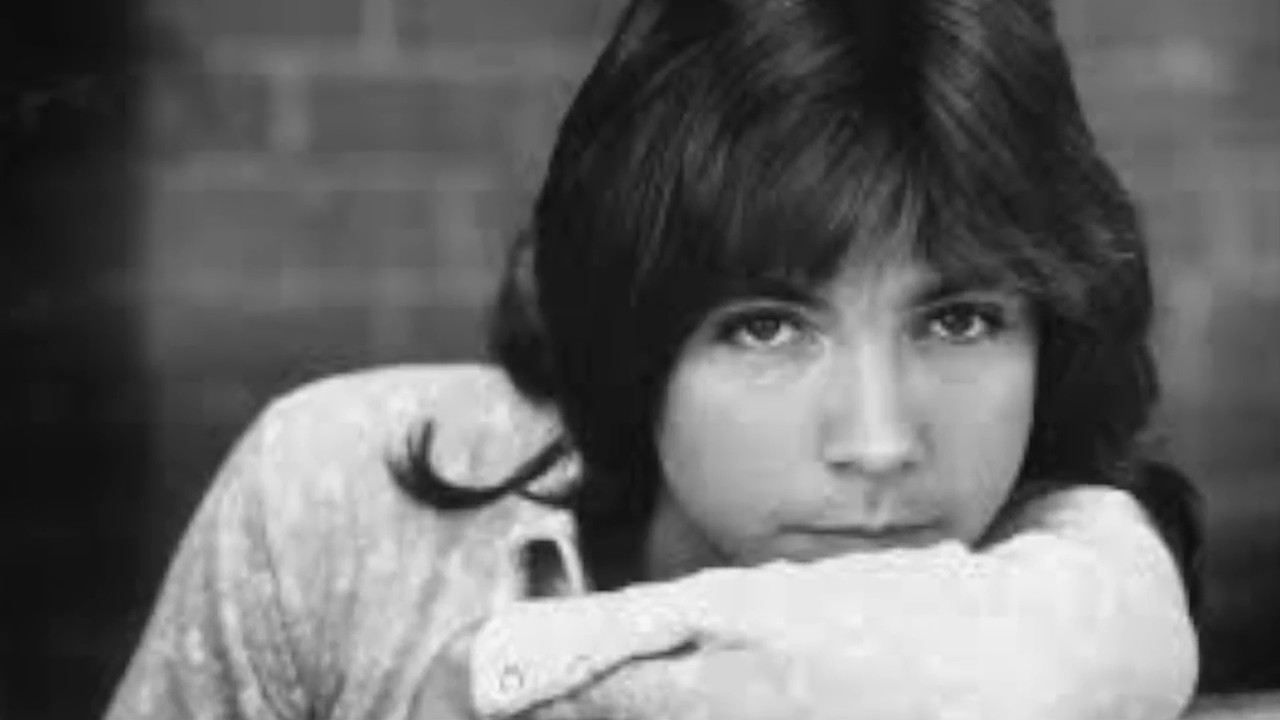
A familiar storm heard in a gentler voice, The Partridge Family took “Walking in the Rain” and turned it from girl-group grandeur into a softer 1972 ache.
When The Partridge Family recorded “Walking in the Rain” for their 1972 album Notebook, they were stepping into the shadow of a song that already carried deep pop history. The original version by The Ronettes, released in 1964, climbed to No. 23 on the Billboard Hot 100 and became one of the most emotionally vivid records of the early girl-group era. The Partridge Family version was something different from the start. It was not built as a major hit single in its own right, but as part of Notebook, an album that reached No. 36 on the Billboard 200. That chart detail tells part of the story. This was not a record trying to overpower memory. It was a reinterpretation, and a surprisingly tender one.
That is what makes this track worth returning to. Many covers try to prove themselves. The Partridge Family did something more interesting: they changed the emotional distance of the song. Where the Ronettes made “Walking in the Rain” sound vast, cinematic, and almost overwhelming, the 1972 reading brings the feeling closer to the listener. The ache is still there, but it is less theatrical and more personal. It feels like a thought that lingers after the room has gone quiet.
By 1972, the world around The Partridge Family had also changed. The bright, buoyant optimism that helped define the group’s earliest success was beginning to share space with something more reflective. Their records still carried polished pop craftsmanship, but there was now a little more wistfulness in the edges. On Notebook, that mood surfaces again and again, and “Walking in the Rain” fits beautifully into that atmosphere. It feels less like a television tie-in performance and more like a young pop act trying to show it could hold a more mature emotional shade.
Much of that effect comes from David Cassidy. His voice had always been central to the sound of The Partridge Family, even when the group’s public image suggested a cheerful family ensemble first and foremost. On this recording, Cassidy does not attack the lyric. He leans into it. He sings the song with restraint, and that restraint becomes the point. Instead of reaching for the dramatic sweep that made the earlier version famous, he gives the words a fragile inward quality. The result is not as thunderous, but it is intimate in a way that many listeners still find deeply affecting.
The story behind the song matters too. “Walking in the Rain” is built on a simple but enduring emotional scene: seeing someone, wanting closeness, and standing in the weather of that longing. It is one of pop music’s oldest emotional truths, yet it keeps renewing itself because the image is so immediate. Rain in songs often symbolizes sadness, memory, or distance, but here it also becomes a kind of suspended moment. The world is wet, blurred, and uncertain; the heart is waiting for something to happen. In the hands of The Ronettes, that feeling became a grand teenage drama. In the hands of The Partridge Family, it becomes quieter, softer, and in some ways more reflective.
That is why the 1972 version deserves to be heard on its own terms. It is not “better” than the original, nor does it need to be. It is a classic case of cover reinterpretation: the same melody, the same emotional premise, but a different era, a different production language, and a different kind of vulnerability. Under producer Wes Farrell, The Partridge Family had always balanced radio-friendly polish with just enough feeling to keep the records from sounding disposable. On “Walking in the Rain”, that balance works especially well. The arrangement is controlled, melodic, and accessible, yet it leaves room for the sadness to breathe.
There is also something deeply nostalgic about hearing this song through the Partridge Family lens. The early 1970s were full of pop records that softened the harder edges of the previous decade without losing emotional truth. This track belongs to that tradition. It does not rush. It does not crowd the listener. It simply lets the melody carry the memory. For listeners who know the original well, the pleasure lies in noticing what has changed. For those who came to the song through David Cassidy and The Partridge Family, the pleasure is different: hearing a familiar television-era pop group reveal a more delicate emotional touch than they are often given credit for.
In the end, “Walking in the Rain” on Notebook stands as one of those modest but meaningful reinterpretations that say a great deal about their moment. It shows how a song can travel from one decade into another and keep its core intact while changing its emotional weather. The storm of the 1964 original becomes a drizzle of memory in 1972, and somehow that makes the song no less moving. If anything, it makes it more human. And that may be the quiet strength of The Partridge Family version: it does not ask to replace a classic. It simply reminds us that even the most familiar song can feel new when a different voice steps into the rain.
