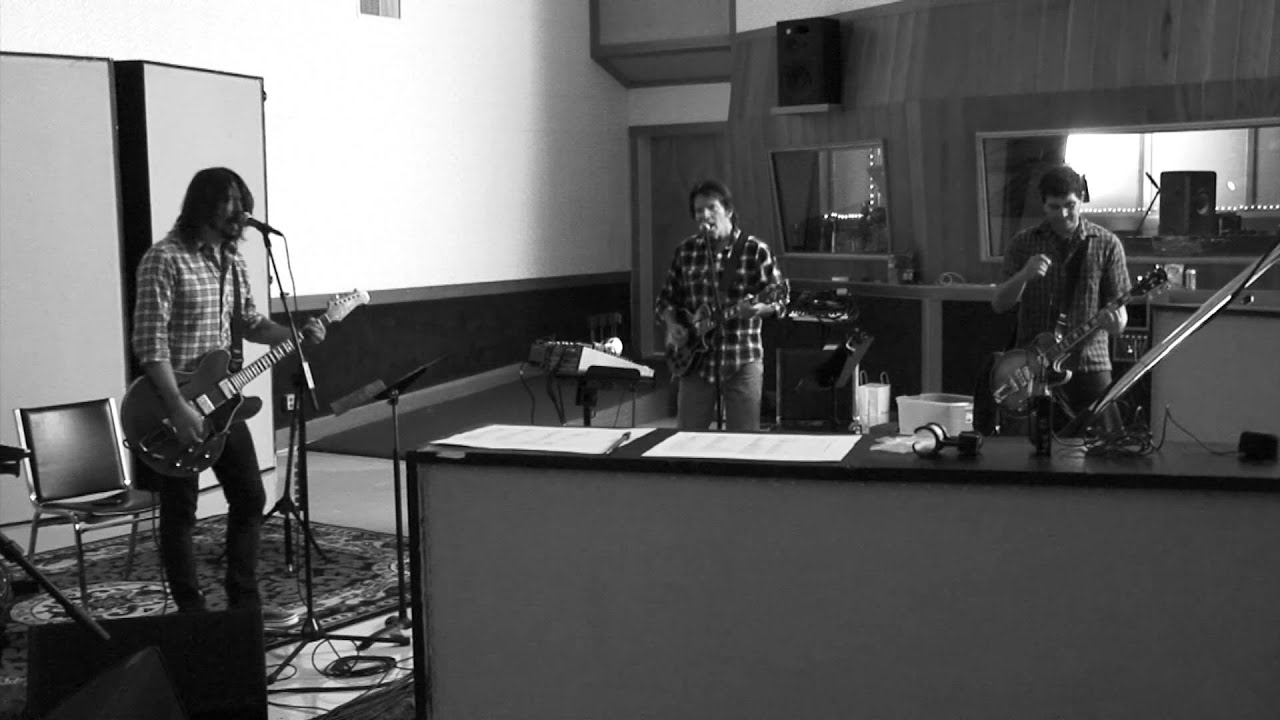
With “Eye of the Zombie”, John Fogerty stepped away from easy nostalgia and into a darker 1986 mood, turning pressure, paranoia, and reinvention into one of his most surprising rock-radio successes.
When John Fogerty released “Eye of the Zombie” in 1986, he was not merely issuing another single. He was answering the enormous expectations that followed “Centerfield”, the comeback record that had returned him to the front line of American rock. That is why the chart story matters so much here. The title track from Eye of the Zombie rose to No. 3 on Billboard’s Album Rock Tracks chart, the listing now known as Mainstream Rock. For a song so different from what many fans expected, that peak says a great deal. It shows that even when Fogerty took a sharp stylistic turn, rock radio still heard something powerful in that unmistakable voice.
And it was a sharp turn. Where Centerfield had felt warm, immediate, and rooted in the sturdy pleasures of American guitar rock, “Eye of the Zombie” arrived with a colder pulse. The song is famous for its synthesizer-heavy production, and that is not a minor detail. It is the heart of its identity. The track leans into a hard, metallic atmosphere, with keyboards, tense rhythm, and a stalking groove that feels worlds away from the loose, earthy spirit so many listeners associated with Fogerty’s finest work. Yet underneath that 1980s sheen, the essentials remain. His bark of a voice still cuts through with urgency. His sense of drama is still exact. His instinct for a memorable hook is still very much alive.
That contrast is what makes the song fascinating. John Fogerty could easily have tried to repeat the formula that had worked so brilliantly the year before. Instead, he made a record that sounded unsettled, suspicious, and almost cinematic in its menace. “Eye of the Zombie” is not a comfortable song. It moves like something watching from the shadows. Even the title suggests a world drained of warmth and overrun by numbness, pressure, and threat. For listeners in the mid-1980s, that feeling did not seem abstract. Popular culture was full of apocalyptic imagery, cold surfaces, and anxious futurism. Fogerty, in his own way, tapped into that atmosphere.
The story behind the song becomes even more interesting when placed in the context of Fogerty’s life at the time. His mid-1980s comeback was triumphant on the surface, but it came after years of frustration, silence, and conflict. He had spent a long time carrying the burdens of his Creedence Clearwater Revival legacy, including bitter business and legal tensions tied to his earlier catalog. By the time Eye of the Zombie appeared, he was not writing from a place of innocence. He was writing as an artist who knew how success can carry strain with it. That tension seems to hover over the record. The title track sounds like a man pushing forward, but with his guard up.
That may be one reason the song still lingers with listeners who return to it now. It is not simply a novelty of 1980s production. It is a document of reinvention under pressure. There is a certain courage in it. Fogerty did not try to freeze himself in amber. He tested a different palette, one that many fans found jarring at the time. Some admired the boldness; others missed the swampy directness that had always come so naturally to him. Both reactions are understandable. “Eye of the Zombie” remains one of those records that divides opinion precisely because it reveals an artist refusing to become predictable.
Its chart performance makes that division even more compelling. Songs that are truly rejected do not usually climb that high on rock radio. Reaching No. 3 on the Mainstream Rock chart tells us that the single connected, even if it did so in a more uneasy way than a crowd-pleaser like “Centerfield”. Rock programmers heard force in it. Listeners heard a veteran artist pushing against the boundaries of his own image. The fact that the album itself never came to be embraced in the same warm, unanimous way as its predecessor has only sharpened the song’s reputation over time. It now feels less like a misstep than a revealing risk.
Musically, that risk is stamped into every part of the track. The synthesizers do not soften Fogerty; they frame him in a harsher light. The beat drives rather than swings. The arrangement feels urban, nocturnal, and slightly claustrophobic. But his vocal keeps the song from becoming faceless. There is still grit in the phrasing, still that old command in the attack. That is why the recording has endured as more than a period piece. It captures the strange meeting point between a classic American rocker and the polished, nervy sound of mid-1980s radio.
In the end, “Eye of the Zombie” matters because it shows a different side of John Fogerty than the one most casually remembered. It reminds us that chart milestones are not always attached to the safest songs. Sometimes they belong to records that challenged expectation. Sometimes they belong to moments when an artist chose not to repeat himself. In 1986, Fogerty took that chance, and the result was a dark, synthesizer-laced title track that climbed to No. 3 and left behind one of the most curious, divisive, and strangely gripping chapters of his solo career.
