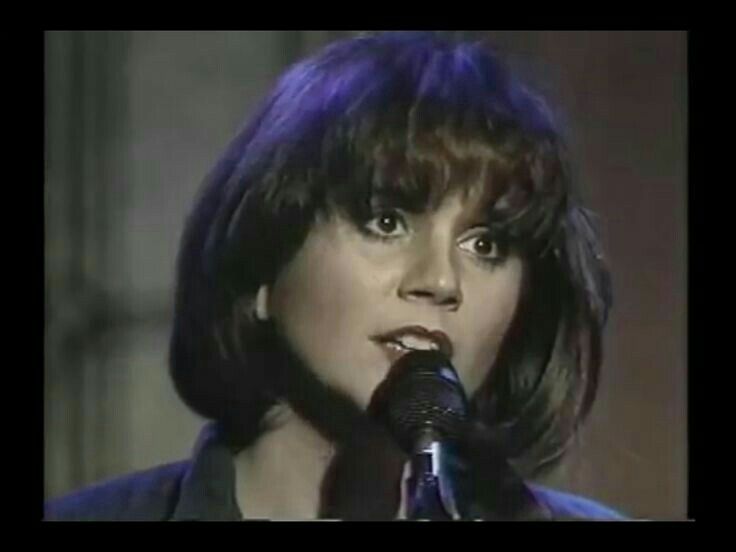
A song of hope carried through distance and doubt, Dreams to Dream turns a family-film moment into a timeless ballad about longing, courage, and the quiet strength to keep believing.
When Linda Ronstadt recorded Dreams to Dream for the An American Tail: Fievel Goes West soundtrack in 1991, she gave the film something deeper than a graceful end-credits song. She gave it a heart that could outlive the movie itself. Written by James Horner with lyrics by Will Jennings, the song belongs to the emotional world of the sequel from its first note. Even so, Ronstadt’s version rises beyond soundtrack duty. It feels intimate, weathered, and full of hard-earned hope. On release, it had only a modest chart footprint and did not become one of Ronstadt’s major Billboard pop hits, but that commercial detail has never told the full story. For many listeners, its real legacy is emotional, not numerical.
That matters, because Dreams to Dream arrived attached to a film that could easily have encouraged broad sentiment and easy uplift. Instead, the song carries something more delicate. An American Tail: Fievel Goes West, the 1991 sequel to the earlier An American Tail, continues the immigrant-family thread that gave the first film its emotional power. If the original remains inseparable from Somewhere Out There, the sequel found its own center of gravity in this song. Where the first famous ballad looked across distance, Dreams to Dream looks ahead through uncertainty. It is not only about wishing. It is about enduring long enough for the wish to become a direction.
That distinction is exactly why Linda Ronstadt was such an inspired choice. By 1991, she had already lived several artistic lives: rock singer, country interpreter, pop stylist, standards vocalist, collaborator of uncommon taste and range. What she brings here is not showiness. It is control. She does not oversing the lyric, and because of that, every line lands more deeply. There is a firmness in her phrasing, a sense that the person inside the song has already seen disappointment and still refuses to let go of hope. That emotional maturity is what separates this recording from the average soundtrack ballad of its era.
The craftsmanship behind the song is just as important. James Horner had a rare gift for writing melodies that seemed simple on first hearing but grew more moving with time. His line in Dreams to Dream rises gently, almost as if it is gathering courage while it climbs. Will Jennings, one of the finest lyricists of his generation, keeps the language direct and human. There is no clutter in the writing. The words speak of wanting more, seeing farther, and holding faith close when the world still feels unsettled. Those are familiar ideas, of course, but in the setting of this story they become newly tender. The westward journey in the film suggests adventure, yet the song reminds us that every journey also contains fear, homesickness, and private yearning.
Within the story, the number is tied to the character of Tanya Mousekewitz and to the film’s dream of reinvention, but Ronstadt’s soundtrack performance opens the song into something universal. It no longer belongs only to one character, or even to one film. It becomes a ballad for anyone who has had to keep moving while carrying memory behind them. That is why the song lingers. It understands that hope is not always bright. Sometimes hope is quiet. Sometimes it sounds almost lonely. Sometimes it is simply the decision to keep imagining a gentler future than the one currently in front of you.
There is also something beautifully old-fashioned about the arrangement. Rather than chasing the slickest trends of the early 1990s, the recording leans into melody, orchestral sweep, and vocal sincerity. That gives it a timeless quality. You can hear the film music tradition in it, certainly, but you can also hear the broader American songbook instinct that Ronstadt always respected: let the song breathe, let the lyric mean something, and trust the listener to meet you halfway. In a decade that was already shifting toward sharper edges and different pop textures, Dreams to Dream stood apart by sounding emotionally complete rather than fashionable.
Its chart story, modest as it was, may even be part of its mystique now. Some songs dominate radio for a season and then fade into the wallpaper of their own success. This one traveled more quietly. It became the kind of recording people rediscover years later and wonder how they ever let it slip by. That has happened to more than a few songs in Linda Ronstadt’s catalog, but it feels especially true here because the soundtrack label can mislead casual listeners. They expect something small, perhaps even childish, and instead they find a deeply felt adult performance hidden inside a family movie.
In the end, the meaning of Dreams to Dream is larger than ambition and softer than triumph. It is about believing in tomorrow without denying today’s ache. It is about carrying tenderness into an uncertain landscape. It is about the emotional courage required to imagine a home, a future, or a life that does not yet exist. That is why the song still catches people off guard. Beneath the animation, beneath the soundtrack category, beneath the seeming innocence of its title, there is a profound little truth: dreams are not escapism here. They are survival. And in Linda Ronstadt’s voice, that truth sounds unforgettable.
