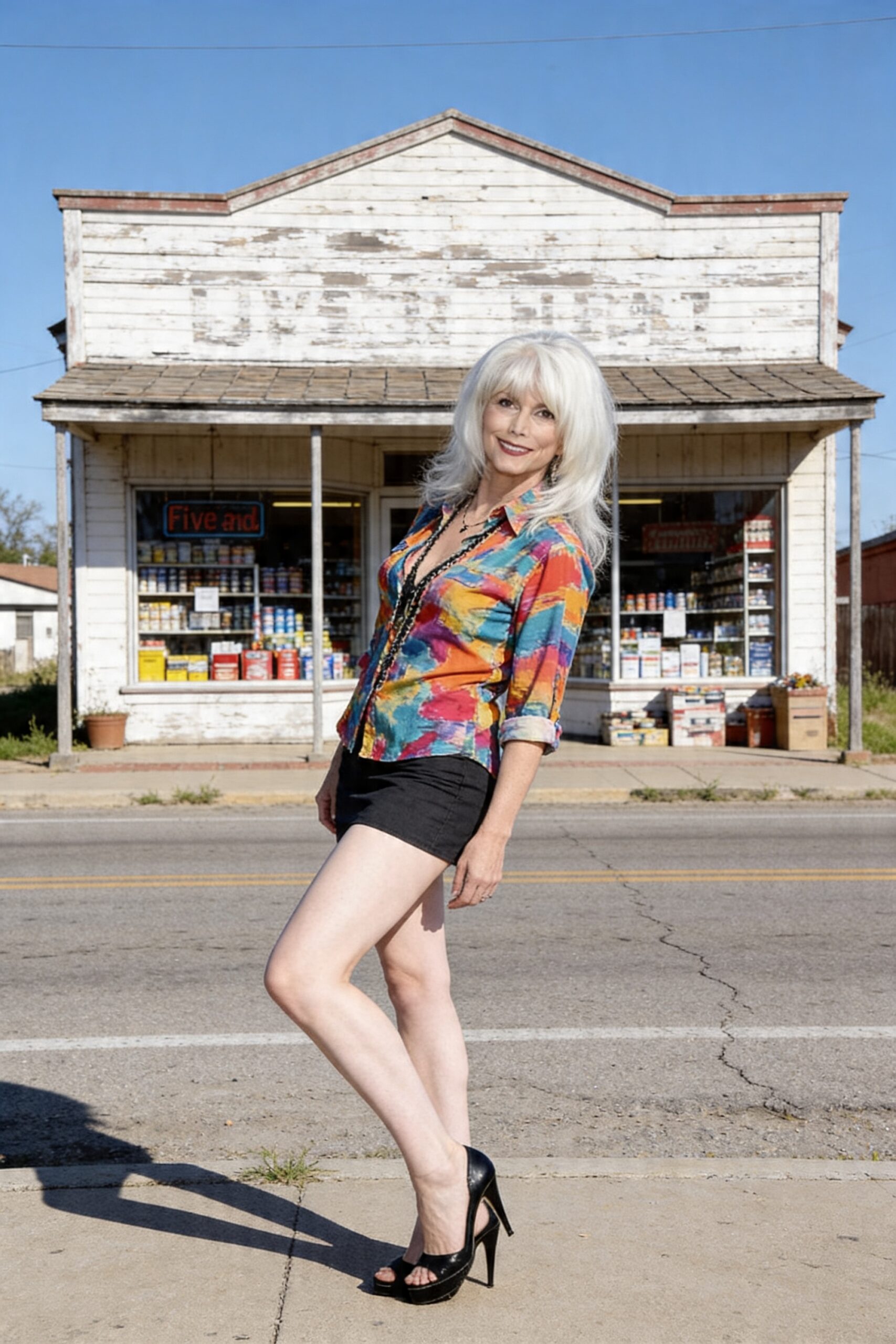
On Spyboy, Emmylou Harris did not simply revisit the atmosphere of Wrecking Ball; she let “The Maker” breathe, move, and gather heat in front of a listening room.
Emmylou Harris released Spyboy in 1998 as a live album drawn from the touring life that followed her bold mid-1990s transformation. The performance of “The Maker” on that record belongs directly to the afterglow of her Wrecking Ball era, the period when she stepped away from familiar country polish and into a more shadowed, rhythmic, and atmospheric language shaped in part by producer and songwriter Daniel Lanois. “The Maker” itself was written by Lanois and first appeared on his 1989 album Acadie, but in Harris’s hands on Spyboy, it becomes something less like a cover and more like a procession: a song walking slowly through dust, prayer, memory, and electricity.
The importance of Spyboy is that it proves Wrecking Ball was not only a studio experiment. When Wrecking Ball arrived in 1995, it startled many listeners because it placed Harris’s clear, mountain-bright voice inside a sound world of echoing guitars, deep drums, and open spaces. It did not reject country music so much as widen the room around it. But a studio album can be a carefully lit chamber, full of textures that depend on patience and design. Spyboy showed what happened when that chamber had to stand up under stage lights, with musicians responding in real time and songs stretching under the pressure of a live audience.
The band gave the album its name and its heartbeat. With Buddy Miller on guitar and harmony vocals, Daryl Johnson on bass, percussion, and vocals, and Brady Blade on drums, Harris had a group that could honor the grain of her older repertoire while pushing it into a more muscular, restless shape. On “The Maker,” that matters enormously. The song is built around longing and spiritual searching, but the Spyboy version does not float away into abstraction. It moves on rhythm. It has weight under its feet. The drums and bass do not merely keep time; they create a kind of ritual ground, a pulse that makes the lyric feel less like private reflection and more like a communal invocation.
That rhythmic reinvention is the key to the performance. Harris had always been capable of stillness, of making a line feel suspended in the air long after she finished singing it. Here, the stillness is surrounded by motion. The arrangement lets her voice remain composed while the band builds a current around her, and that contrast gives the performance its particular tension. She does not oversing the song. She does not treat its spiritual imagery as a theatrical declaration. Instead, she sings as if she is following the song carefully, measuring each phrase against the groove beneath it. The result is not dramatic in the obvious sense; it is powerful because it sounds disciplined, awake, and deeply inhabited.
By 1998, Harris was already more than a revered interpreter of country and folk tradition. She had sung with Gram Parsons, created a long and distinguished solo catalog, and become one of the great harmony voices in American music. Yet Spyboy catches her at a different kind of artistic moment: not beginning, not summarizing, but renewing. The familiar ache in her voice is still there, but it is framed by percussion, electric guitar tones, and low-end movement that make the old emotional vocabulary feel newly weathered. “The Maker” becomes a bridge between the sacred and the earthy, between Lanois’s mysterious writing and Harris’s lifelong gift for making borrowed songs feel personally claimed.
There is also a quiet boldness in placing a song like “The Maker” inside a live set. It asks the audience to listen differently. It is not built around a quick chorus or an easy nostalgia trigger. It gathers meaning through repetition, texture, and gradual intensity. The live version on Spyboy carries the feeling of musicians leaning into one another, trusting the groove to say what explanation cannot. Buddy Miller adds a roots-rock edge without crowding the center. Daryl Johnson and Brady Blade give the song a rolling, almost bodily insistence. Around them, Harris’s voice rises not as decoration but as the human line threading through the whole design.
What makes this performance endure is the way it refuses to separate atmosphere from feeling. The Wrecking Ball era is sometimes remembered for its sound: the reverb, the shadows, the unexpected song choices, the sense of a country singer stepping into a wider sonic landscape. But on Spyboy, especially in “The Maker,” that sound becomes action. It breathes through musicians. It bends around a room. It shows that reinvention does not have to mean abandoning the past; sometimes it means finding the rhythm that was waiting underneath it all along.
Listening now, the performance feels like a turning point preserved in motion. Emmylou Harris stands at the center, not chasing trend or spectacle, but allowing a song by Daniel Lanois to open into something communal and alive. “The Maker” on Spyboy is not merely a document of a tour or a souvenir from a celebrated career phase. It is the sound of an artist discovering that the most atmospheric music can still have a strong, beating floor beneath it, and that a live band, when chosen with care, can turn mystery into momentum.
