
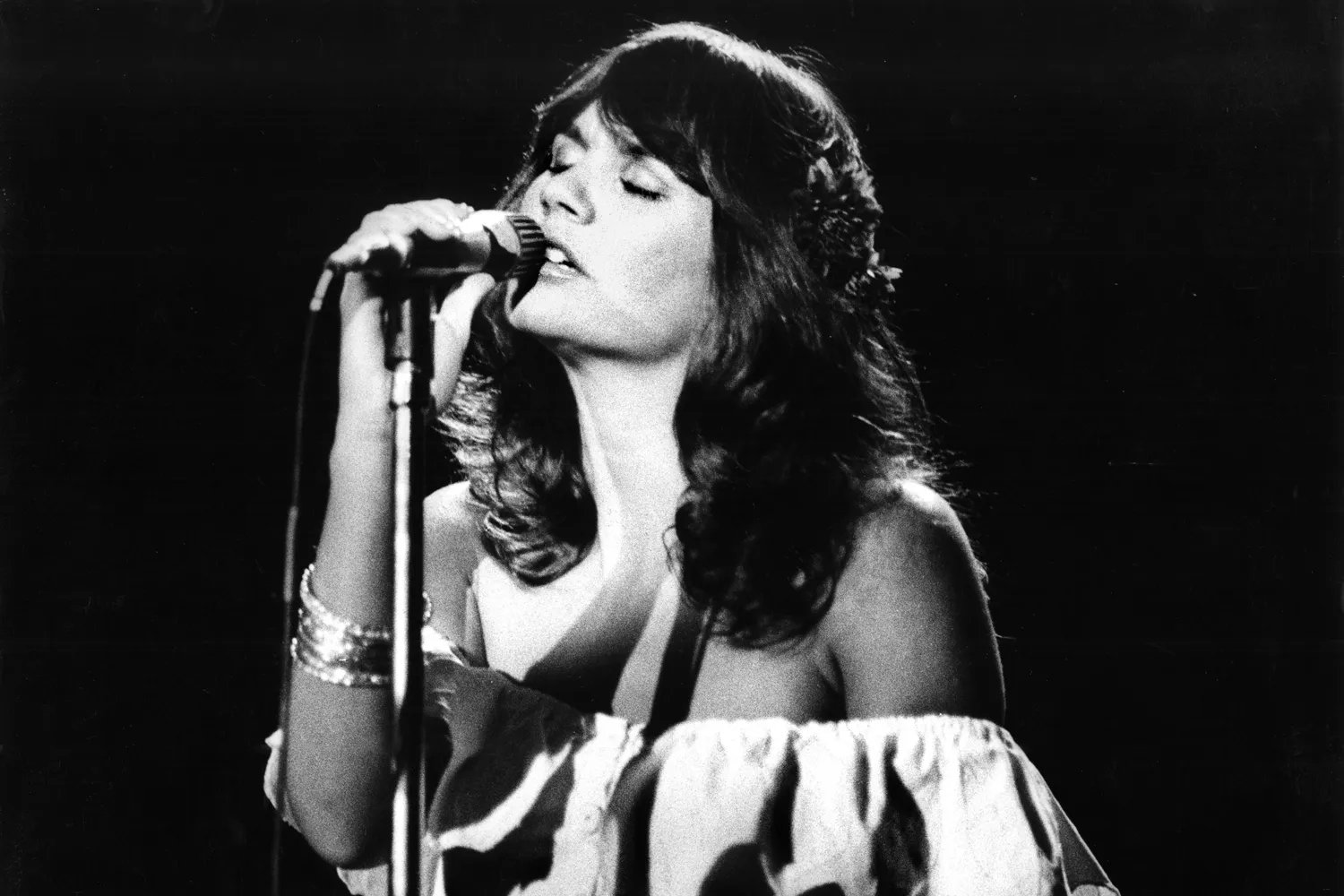
“Different Drum” did more than launch Linda Ronstadt — it announced a voice too independent, too emotionally clear, and too unforgettable to stay in the background for long.
There are breakout hits, and then there are songs that feel like a curtain suddenly being pulled back. “Different Drum” was that kind of moment for Linda Ronstadt. Released in September 1967 by the Stone Poneys, the single reached No. 13 on the Billboard Hot 100 and No. 12 on Cash Box, giving Ronstadt her first major hit and, in a very real sense, introducing her to the wider world. It also charted internationally, reaching No. 12 in Canada, No. 9 in Australia, and No. 5 in New Zealand. Even on the label, the credit quietly told the story of what listeners were already hearing: this was the Stone Poneys featuring Linda Ronstadt. The spotlight had found its center.
That chart success matters, but it only explains the scale of the breakthrough, not the shock of it. What made “Different Drum” feel like an announcement was the way Ronstadt sang it. This was not a timid debut, not a singer asking politely for room. The song itself, written by Mike Nesmith in 1964, was already unusual for its time: a young woman declining romantic permanence not with bitterness, but with self-possession. It had first been recorded by the Greenbriar Boys before the Stone Poneys transformed it into a hit. Ronstadt’s version also made a subtle but important lyric change, shifting the song from a male voice to a female one by replacing “girl” with “boy.” That mattered. Suddenly, this was not just a clever song. It was a declaration of emotional autonomy in a voice that sounded warm, grounded, and completely sure of itself.
And what a voice it was. Linda Ronstadt was only about 21 years old when she recorded it, but there was already something astonishingly direct in her singing. She did not overdramatize the song. She did not make the independence sound cold. She simply made it sound true. That is one reason “Different Drum” still feels so fresh. It is not the sound of rebellion for show. It is the sound of someone calmly telling the truth about who she is and what she cannot promise. In later years, Ronstadt would become one of the great interpreters of heartbreak, longing, country soul, and pop elegance. But here, in this early hit, what the world first heard was something just as important: clarity.
The recording itself helped make that clarity unforgettable. The Stone Poneys had reportedly imagined “Different Drum” as a more acoustic ballad, but producer Nick Venet chose a richer, more elaborate arrangement. The final track used an orchestral pop setting with upright bass, strings, guitar, drums, and harpsichord, giving the song a baroque-folk shimmer that made it feel both modern and faintly old-world. That contrast is part of the record’s magic. The arrangement is delicate and decorative, yet Ronstadt’s vocal cuts through it with unforced certainty. The song does not drift. It stands.
There is also a deeper historical reason “Different Drum” matters so much in the Ronstadt story. It was not yet a solo single in the strict sense, but it was the beginning of the shift. The hit was so strongly associated with her voice that Capitol soon began promoting her more aggressively than the group itself. By the time of the Stone Poneys’ next phase, the branding was already moving toward Linda Ronstadt as the star attraction, and her later solo career would confirm what this record had first suggested: she was too distinctive to remain one voice among several for very long.
But beyond all the industry logic, “Different Drum” announced Linda Ronstadt to the world in a more enduring way: it revealed her as a singer who could make independence sound emotional rather than hard. That was rare. In many songs of the era, a woman asserting distance or freedom could be framed as icy, fickle, or evasive. Ronstadt makes the choice sound human. There is no cruelty in it. There is sadness, maybe even affection, but there is also unmistakable self-knowledge. The song says, in effect, I care, but I cannot live falsely. That emotional balance would become one of the great themes of her career.
So yes, “Different Drum” was the song that announced Linda Ronstadt to the world. Not just because it became her first hit, though it did. Not just because it pushed her toward the foreground, though it certainly did that too. It announced her because it revealed, almost at once, the qualities that would make her unforgettable: emotional honesty, tonal clarity, quiet strength, and a voice that could sound both intimate and destined for far larger rooms. Long before the platinum albums, long before “You’re No Good” and “Blue Bayou,” there was this 1967 single — bright, poised, and already carrying the unmistakable sound of someone the world would not be able to ignore.
