
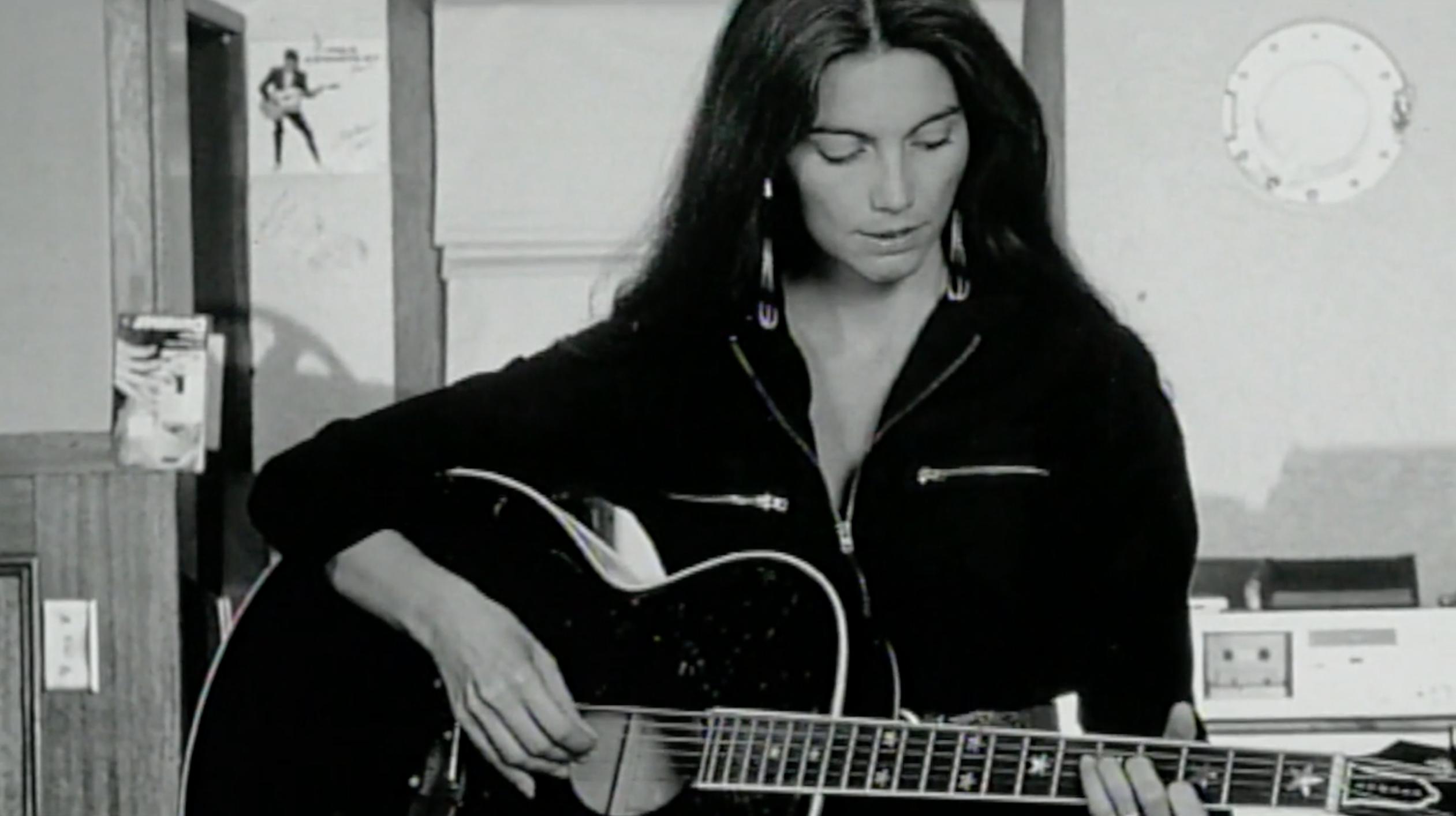
“One Paper Kid” is one of those Emmylou Harris songs that seems to drift in softly, then stay for years. It is less about radio triumph than about the fragile souls, unfinished dreams, and lonely grace that she sang better than almost anyone.
“One Paper Kid” was never discussed the way the biggest Emmylou Harris hits were, and that is part of its mystery. It did not arrive with the same chart footprint as blockbuster country singles from her catalog, which makes it one of those songs listeners often discover in a more intimate way: not through hype, but through time, repeated listening, and the feeling that somehow it understands the kinds of people the world overlooks. In Harris’s body of work, that matters. She was never merely collecting songs. She was rescuing them, polishing them, and then giving them a human center.
By the time this song appeared in her early-1980s recording period, Emmylou Harris had already established herself as one of the most refined interpreters in American music. She had country hits behind her, she had the trust of serious listeners, and she had something even more valuable than momentum: taste. That is what makes “One Paper Kid” so rewarding. It sounds like the work of an artist who no longer needed to force emotion. She could simply lean into a line, let the arrangement breathe, and allow the sadness and beauty to reveal themselves slowly.
The title itself is haunting. “One Paper Kid” suggests somebody fragile, improvised, maybe half-invented, somebody living on slips of hope, scraps of memory, and whatever thin protection the world allows. In lesser hands, that kind of image could feel literary for its own sake. In Harris’s voice, it becomes personal. She sings not as a distant observer, but as if she has known this person, or perhaps has carried some piece of that restlessness herself. That has always been one of her great gifts: she never turns a character into a symbol alone. She gives the character a pulse.
What makes the song endure is the way it balances tenderness and motion. So much of Emmylou Harris at her best lives in that space between staying and leaving, between devotion and distance, between the road and the memory of home. “One Paper Kid” belongs naturally in that emotional landscape. It feels like a portrait of someone who cannot quite settle into ordinary life, someone beautiful and breakable who keeps moving because standing still might mean disappearing. That theme runs deep in country, folk, and roots music, but Harris delivers it with unusual gentleness. She does not romanticize the ache. She simply honors it.
The production style surrounding songs from this period in her career also helps explain why tracks like this continue to resonate. The sound is elegant without being fussy, polished without losing its earthiness. There is room for melody, room for atmosphere, and most of all room for her voice, which could sound at once clear as daylight and full of shadows. On a song like “One Paper Kid”, that balance matters. The arrangement never crowds the lyric. It lets the listener hear the emotional weather inside the song: uncertainty, longing, resilience, and the almost sacred dignity of carrying on.
And that may be the deeper meaning of the song. On the surface, it seems to sketch a particular kind of person, but underneath it is about vulnerability itself. About those who live lightly because life has never let them feel fully secure. About people who keep remaking themselves out of whatever is available—memory, music, love, travel, promises, and pure nerve. Emmylou Harris had a rare instinct for material like this because she understood that sorrow in music is not always loud. Sometimes it is refined. Sometimes it is beautifully dressed. Sometimes it comes wrapped in a melody so graceful you do not notice how much pain it is carrying until much later.
That is why “One Paper Kid” feels larger than its reputation. It may not sit at the top of every casual greatest-hits list, and it may not be the first song named when people summarize Harris’s career, but it reveals something essential about her artistry. She could make the overlooked feel central. She could take a song that might have passed by in another singer’s hands and turn it into a small emotional world. For listeners who value depth over noise, that is often where the lasting bond begins.
There is also something unmistakably nostalgic about hearing Harris sing this kind of material now. Not nostalgic in the shallow sense of simply remembering an era, but in the deeper sense of recognizing how carefully songs used to be inhabited. “One Paper Kid” does not rush to explain itself. It trusts mood, character, and suggestion. It invites the listener to meet it halfway. That older craft—the art of leaving a little silence in the room—is one reason songs like this continue to glow long after trendier records have dimmed.
In the end, “One Paper Kid” stands as a reminder of why Emmylou Harris remains such a beloved figure in American music. She sang for the wanderers, the bruised romantics, the people who looked composed on the outside and unfinished on the inside. She knew that some songs are not built to conquer the charts. They are built to find the right heart, quietly, and stay there. This is one of them.
