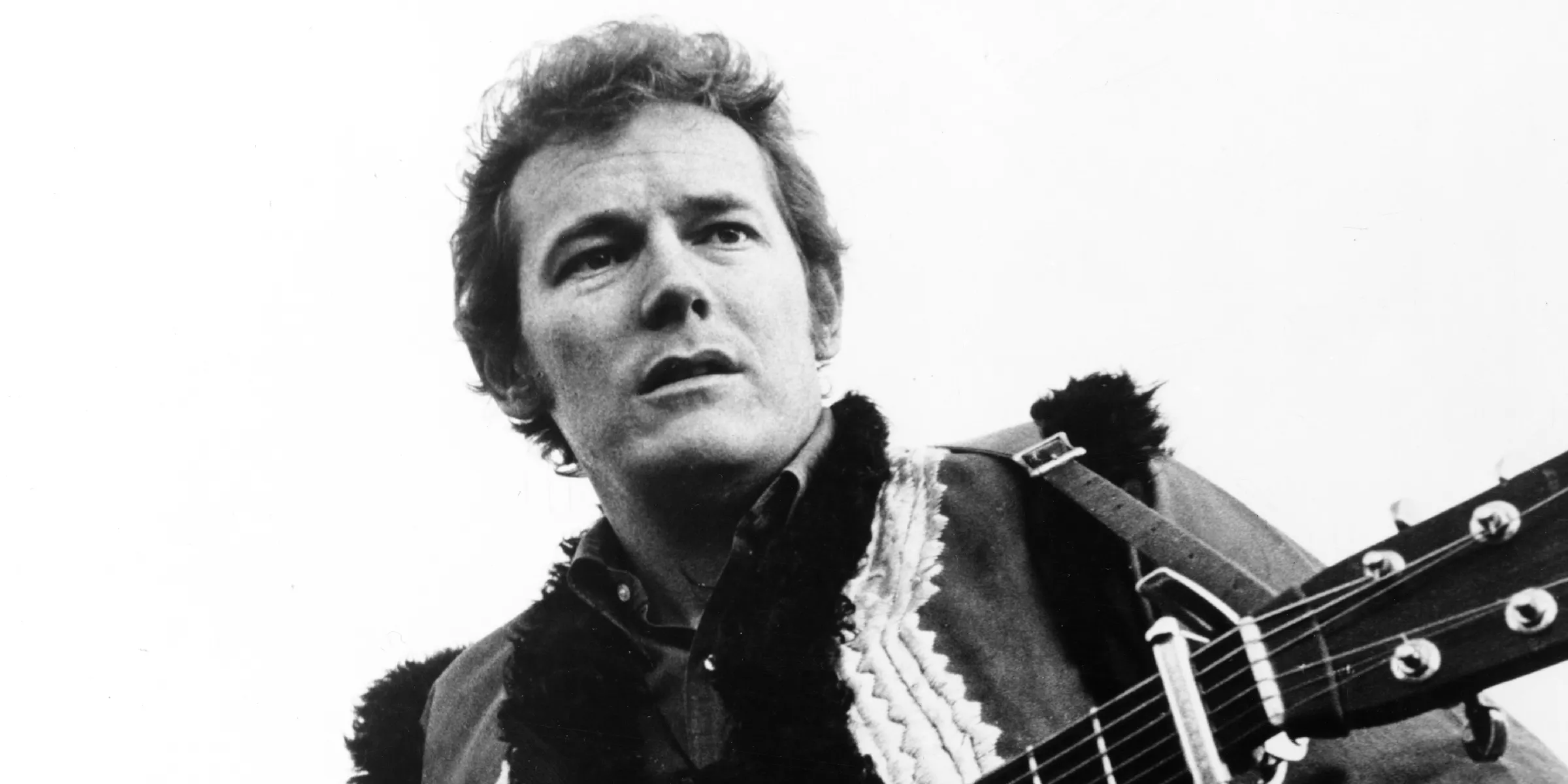
“If You Could Read My Mind” turned private heartbreak into quiet poetry, and in doing so gave Gordon Lightfoot one of the most enduring songs of his career.
There are songs that become hits, and then there are songs that seem to follow people through the years like a remembered conversation. “If You Could Read My Mind” belongs to that second kind. Released by Gordon Lightfoot in 1970, the song did more than elevate his profile beyond Canada; it revealed the rare power of a writer who could make sorrow sound elegant, restrained, and deeply human. At the time of its release, the single climbed to No. 1 in Canada, reached No. 5 on the Billboard Hot 100 in the United States, and also hit No. 1 on the U.S. Easy Listening chart. For a song built on such quiet emotional detail, that was no small achievement.
It first appeared on Lightfoot’s 1970 album Sit Down Young Stranger. So strong was the public response to the song that the album itself was later retitled If You Could Read My Mind in some markets. That detail says a great deal. Even among strong material, this one stood apart immediately. It had the intimacy of a confession, but also the literary shape of a short story. Listeners did not merely hear it; they recognized themselves somewhere inside it.
The backstory gives the song its ache. Gordon Lightfoot wrote it during the painful collapse of his marriage to his first wife, Brita. He would later speak quite openly about the emotional truth behind it. This was not an imagined drama or a neatly constructed pop scenario. It came from a real period of personal unraveling, and perhaps that is why the song never feels exaggerated. There are no grand gestures here, no desperate theatrics. Instead, Lightfoot writes from the exhausted center of disappointment, where clarity can hurt more than anger.
One of the song’s most unforgettable qualities is the way it uses imagery from old books and movies to describe emotional distance. “I don’t know where we went wrong, but the feeling’s gone and I just can’t get it back” remains one of the plainest and most devastating lines in popular songwriting. Then come those cinematic references: ghosts, heroes, castle walls, paperback novels. In lesser hands, such images might have seemed too ornate. In Lightfoot’s hands, they feel natural, as if memory itself has become theatrical because ordinary language can no longer hold the weight of what has been lost.
Musically, “If You Could Read My Mind” is a masterclass in understatement. The arrangement never crowds the lyric. Acoustic guitar, soft orchestral coloring, and a measured vocal delivery allow the words to breathe. Lightfoot never oversings. That, in fact, is much of the song’s authority. He sounds like a man trying to tell the truth carefully, without dressing it up too much. The restraint gives the performance its dignity. Long after louder records from the era have faded into period texture, this one still feels startlingly direct.
That directness also helped reshape how many listeners understood Gordon Lightfoot. Before this breakthrough, he was already highly respected as a songwriter, with other artists recording his work and admirers recognizing his craftsmanship. But “If You Could Read My Mind” brought him into a wider popular conversation. It established him not simply as a folk-based singer-songwriter, but as a major interpreter of emotional life in song. There is a difference. Plenty of artists write about heartbreak. Very few can make heartbreak sound this lucid.
The song’s meaning, at its core, lies in the painful gap between what we feel and what we can explain. The title itself suggests an impossible wish: if another person could only see the whole truth inside us, perhaps love could be saved. But the song is wise enough to know that this almost never happens. People misread each other. They speak around the wound. They remember different versions of the same story. In that sense, “If You Could Read My Mind” is not just about the end of one marriage. It is about the loneliness inside failed understanding.
Over the decades, the song has endured because it never locks itself into one era. Though unmistakably associated with the singer-songwriter tradition of the early 1970s, its emotional framework remains timeless. Every generation knows what it means to sit with words unsaid, to replay a conversation, to wish for one more chance at honesty. That is why the song continues to be revisited, covered, and cherished. It does not rely on nostalgia alone; it survives because it still tells the truth.
There is also something profoundly graceful in the way Gordon Lightfoot turned personal pain into art without bitterness. He did not flatten the other person into a villain. He did not ask for sympathy in obvious ways. Instead, he shaped the experience into a meditation on memory, disappointment, and emotional mystery. That choice is part of what gives the song its lasting class. Even in sadness, it remains poised.
For many listeners, “If You Could Read My Mind” is more than one of Lightfoot’s signature songs. It is the moment when private feeling became public memory. It reminds us that the strongest songs often do not shout. They sit beside us quietly, year after year, sounding truer as life goes on. And few records do that with more elegance than this one.
