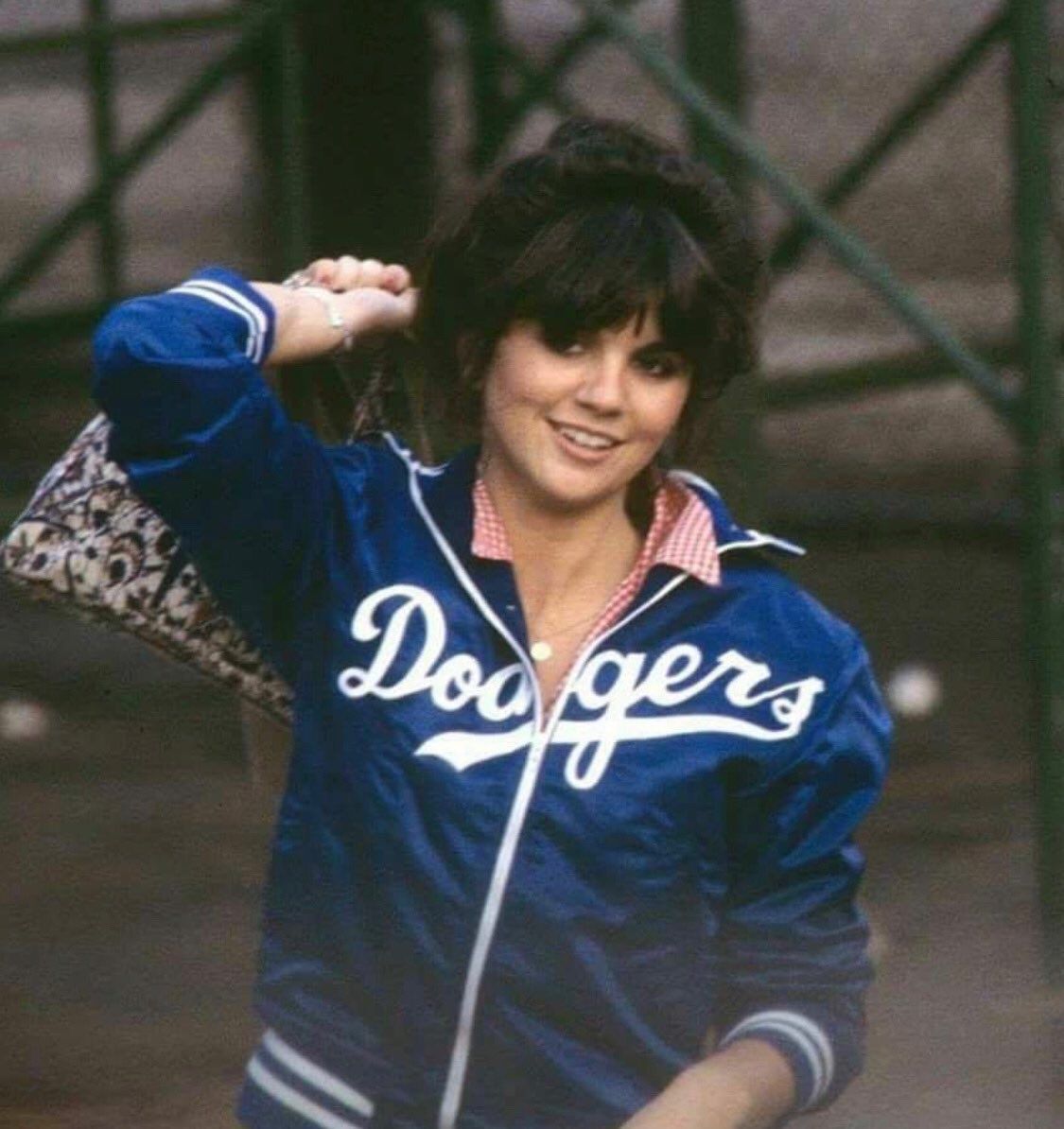
“Hurt So Bad” is the sound of a heart meeting its own memory—one glance, one voice, and the old pain returns with frightening clarity.
There’s a particular kind of heartbreak that doesn’t need a dramatic betrayal to reawaken. It only needs time—and then a chance encounter, a familiar face, a song on the radio—anything that turns the past into the present again. Linda Ronstadt’s “Hurt So Bad” lives exactly in that moment. Her version was released as the second single from Mad Love (released February 26, 1980), a record that surprised many by leaning into the sharper edges of late-’70s rock and new wave while still leaving space for Ronstadt’s unmistakable emotional directness.
If you care about first impressions—what the world said back when the record first stepped into view—this one entered the Billboard Hot 100 at No. 46 on April 12, 1980. From there it climbed into the upper air, ultimately peaking at No. 8 (and holding that peak for multiple weeks), becoming Ronstadt’s final solo Top 10 Hot 100 hit—a late-career pop summit that feels earned rather than engineered. On the softer side of radio, it was just as potent: it reached No. 3 on Billboard’s Adult Contemporary chart.
Yet chart numbers—useful as they are—don’t explain why “Hurt So Bad” still stings decades later. The deeper story begins long before 1980. The song was written by Teddy Randazzo, Bobby Weinstein, and Bobby Hart, and first made famous by Little Anthony & the Imperials, whose original version became a Top 10 pop hit in the mid-1960s. Ronstadt didn’t resurrect the song as a museum piece; she re-lit it like a candle in a dark room—same flame, different shadows.
What makes her interpretation so devastating is the way she sings the return. This isn’t the first time the narrator has been hurt; it’s the terrible knowledge that the wound never fully closed. The lyric’s premise is almost painfully ordinary: seeing someone again after trying to move on. But ordinary is where the most durable sorrow lives. Ronstadt’s voice—open-throated and precise—doesn’t dramatize the feeling; she commits to it. You hear a woman who knows better and still can’t help it. There’s no moral victory here, no neat lesson tied with ribbon. The body remembers what the mind wishes it could forget.
The production helps tell that truth. Peter Asher produced “Hurt So Bad” for Asylum Records, framing Ronstadt in a sound that’s tauter than her earlier, sunnier Southern California hits—less breeze, more bite. And then there’s the guitar: Ronstadt’s version features a guitar solo by Danny Kortchmar, not flashy, not showboating—more like a line drawn in the air, emphasizing what the voice has already confessed. The whole track feels like a heartbeat trying to stay steady while the room tilts.
What, finally, is the meaning of “Hurt So Bad”? It’s a reminder—soft but unsparing—that love isn’t always a story of progress. Sometimes it’s a circle you don’t notice you’re walking until you arrive back at the same door. Ronstadt gives that idea a kind of dignity. She doesn’t portray vulnerability as weakness; she portrays it as evidence that the feeling was real. And for anyone who has ever “done fine” for months or years, only to be undone in a single instant by a remembered voice or a familiar smile, this song doesn’t just describe the experience—it keeps it company.
That is why Linda Ronstadt’s “Hurt So Bad” endures: it doesn’t promise you’ll be cured. It simply tells the truth—beautifully, painfully, and without looking away.
