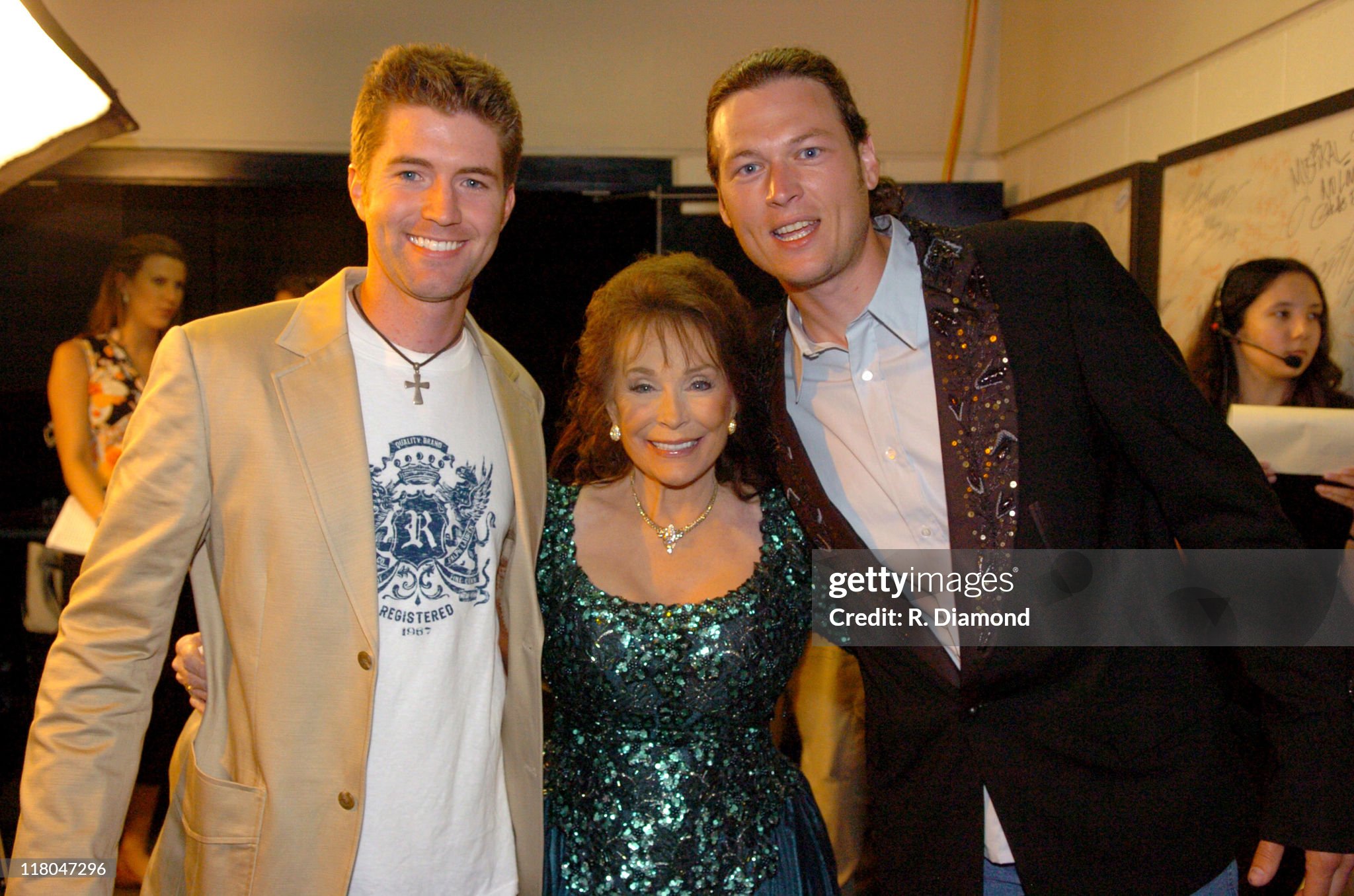
On Gordon Mote’s 2013 album All Things New, Josh Turner’s guest vocal on Do You Believe In Love gives the song a deeper country-gospel gravity without disturbing its gentle center.
Gordon Mote included Do You Believe In Love on his 2013 album All Things New, and the track carries an extra layer of interest because of the guest vocal appearance by Josh Turner. That detail matters. Turner is not simply a famous country name added for decoration; his voice changes the temperature of the recording. Known to country audiences for the deep, resonant tone that helped define songs such as Long Black Train and Your Man, Turner brings a grounded, almost conversational weight to Mote’s world of gospel assurance, piano-centered craft, and Nashville musicianship.
Mote has long occupied a special place in country and gospel music. A gifted pianist and singer, blind since birth, he became respected not only as a recording artist but also as a musician whose playing could move naturally between the studio, the church platform, and the country stage. His music often lives in that meeting place where faith is not shouted for effect, but carried through melody, harmony, and the calm discipline of a seasoned performer. On All Things New, that sensibility gives the album its shape: polished enough for contemporary country-gospel listeners, but still rooted in the plainspoken emotional language of Southern gospel and Nashville songcraft.
In that setting, Do You Believe In Love does not need to become dramatic to feel significant. The title itself poses a direct question, but the recording’s strength lies in how gently that question is allowed to land. This is the kind of song where a guest vocal can either overwhelm the room or deepen it. Turner’s appearance does the latter. His bass-baritone has a familiar authority, yet here it feels less like a spotlight moment than a second witness entering the conversation. The effect is subtle: Mote’s own musical presence remains central, while Turner adds a darker grain, a country warmth, and a steadiness that makes the song feel more communal than solitary.
Guest vocals can sometimes read as marketing choices, especially on albums that cross between genres. But the best ones feel like musical logic. Turner’s background makes him a fitting presence here because his public identity has always carried traces of gospel conviction alongside mainstream country appeal. From the beginning of his career, he was associated with songs that treated faith, conscience, and moral searching as natural parts of country storytelling. When that voice appears inside Mote’s gospel-rooted landscape, it does not feel imported. It feels as if the door between two nearby rooms has been opened.
The emotional pull of the track comes from restraint. Neither singer has to force sincerity. Mote’s work often suggests a musician who understands that spiritual songs gain power when they leave room for the listener’s own history. Turner, for his part, has the kind of tone that can make a simple phrase feel carved from something older than the arrangement around it. Together, the two voices create a balance between invitation and conviction. The song asks about love, but it does not treat love as a slogan. It lets the word carry faith, devotion, patience, and the everyday courage of believing in something that cannot always be proved in the moment.
That is why this guest appearance remains worth noticing beyond the album credit. It reveals how a familiar country voice can alter the emotional architecture of a gospel recording without pulling it away from its purpose. On Do You Believe In Love, Josh Turner does not turn Gordon Mote’s song into a duet showcase built on vocal display. Instead, he helps frame it as a shared testimony, a quiet crossing of musical paths where country depth and gospel clarity meet in the same breath.
Years later, the track still feels meaningful because it captures something modest and difficult to manufacture: trust between voices. Mote’s musicianship gives the song its foundation; Turner’s guest vocal gives it an added shadow and firmness. Together, they leave behind a recording that does not demand attention through volume or spectacle. It simply stands there with an open question, a warm piano-room sense of nearness, and two voices treating belief not as an answer already solved, but as something sung into being.
