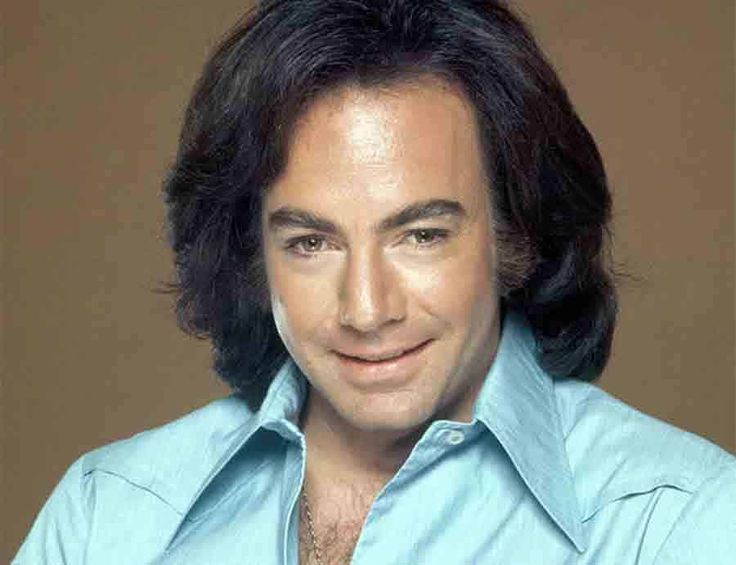
In the glow of Beautiful Noise, Neil Diamond left room for a darker aftersound: Home Is a Wounded Heart, a 1976 song that turns the idea of home into something restless, bruised, and painfully unfinished.
In 1976, during the release cycle of Beautiful Noise, Neil Diamond was presenting one of the most confident albums of his middle period. The record, produced by Robbie Robertson, brought a slightly rougher grain to Diamond’s writing and performance, balancing radio-sized melody with a more lived-in texture. Yet one of the era’s most revealing pieces sat away from the main spotlight. Home Is a Wounded Heart, remembered by collectors as a Beautiful Noise-era B-side and heard by album listeners at the close of the LP, never carried the public weight of the title track Beautiful Noise or If You Know What I Mean. What it carried instead was something quieter and, in some ways, more lasting: a line of thought about belonging that sounded too bruised to become a slogan.
That matters because Beautiful Noise was not a minor entry in Diamond’s catalog. It was an album that announced a new kind of confidence. Robertson’s presence as producer gave the music a firmer outline, less satin and more weather in the air. Diamond, already one of the defining singer-songwriters of his era, sounded newly alert to space, groove, and the dramatic power of understatement. The title track made that shift easy to hear. It was expansive, public, almost self-mythologizing. Home Is a Wounded Heart turns away from that bright surface and walks into a more private room.
Even the title does most of the emotional work. In popular song, home is usually a place of return, shelter, or memory sweetened by distance. Diamond flips that instinct on its head. Here, home is not where pain ends. Home is where pain has settled in. It is a striking image, and it fits a songwriter who had long been interested in the uneasy space between movement and belonging. Earlier songs, especially I Am…I Said, had already circled questions of identity and place, but Home Is a Wounded Heart makes the wound itself the address. That is a sophisticated, adult idea for a pop song, and Diamond does not dress it up with easy resolution.
The performance follows that logic. Rather than pushing for theatrical release, Diamond sings with control, letting the feeling gather in the phrasing. His great skill as a vocalist was never only in power; it was in the way he could lean into a word until it sounded worn by experience. On this track, the voice does not beg for sympathy. It sounds as though it has already lived with the knowledge the lyric describes. The arrangement, too, resists excess. Like much of Beautiful Noise, it carries the era’s polish, but it leaves enough room around the vocal for uncertainty to breathe. The result is not a showstopper. It is something more intimate: a song that seems to keep speaking after it has gone quiet.
That is part of why the B-side framing matters. In the 1970s, B-sides were not merely leftovers. They were often where a record became personal. You bought a single for the song the radio had already blessed, then, somewhere on the flip, you found the track that seemed to belong only to listeners willing to stay a little longer. Home Is a Wounded Heart belongs naturally to that tradition. It does not compete with the larger gestures of the Beautiful Noise era. It deepens them. If the A-side of a career is where charisma stands under the light, the B-side is where the voice is allowed to sound a little more alone.
There is also something beautifully strategic about where the song sits in the larger Beautiful Noise story. The album contains ambition, sweep, and a renewed sense of forward motion, but this song keeps the record from ending in pure self-celebration. As the original LP closes, Home Is a Wounded Heart leaves behind a more complicated aftertaste. It reminds us that Diamond’s appeal was never just in uplift. He understood longing, estrangement, and the strange way success does not erase the older questions a person carries. That tension is central to why so much of his best work continues to feel lived in rather than merely performed.
Today, the song still feels like one of those discoveries that deepen a listener’s understanding of an artist. Someone may come to Neil Diamond through the anthems, the arena singalongs, the instantly recognizable choruses. Then, somewhere deeper in the catalog, this quieter song appears and changes the proportions of the picture. It shows how much Diamond could do when he lowered the volume and trusted a difficult phrase to hold the room. For fans of the Beautiful Noise period, that is the real value of a track like Home Is a Wounded Heart. It is not merely a forgotten side road from 1976. It is the place where the era’s brightness reveals its shadow, and where a songwriter famous for reaching outward briefly lets us hear the unresolved feeling at the center of the song.
