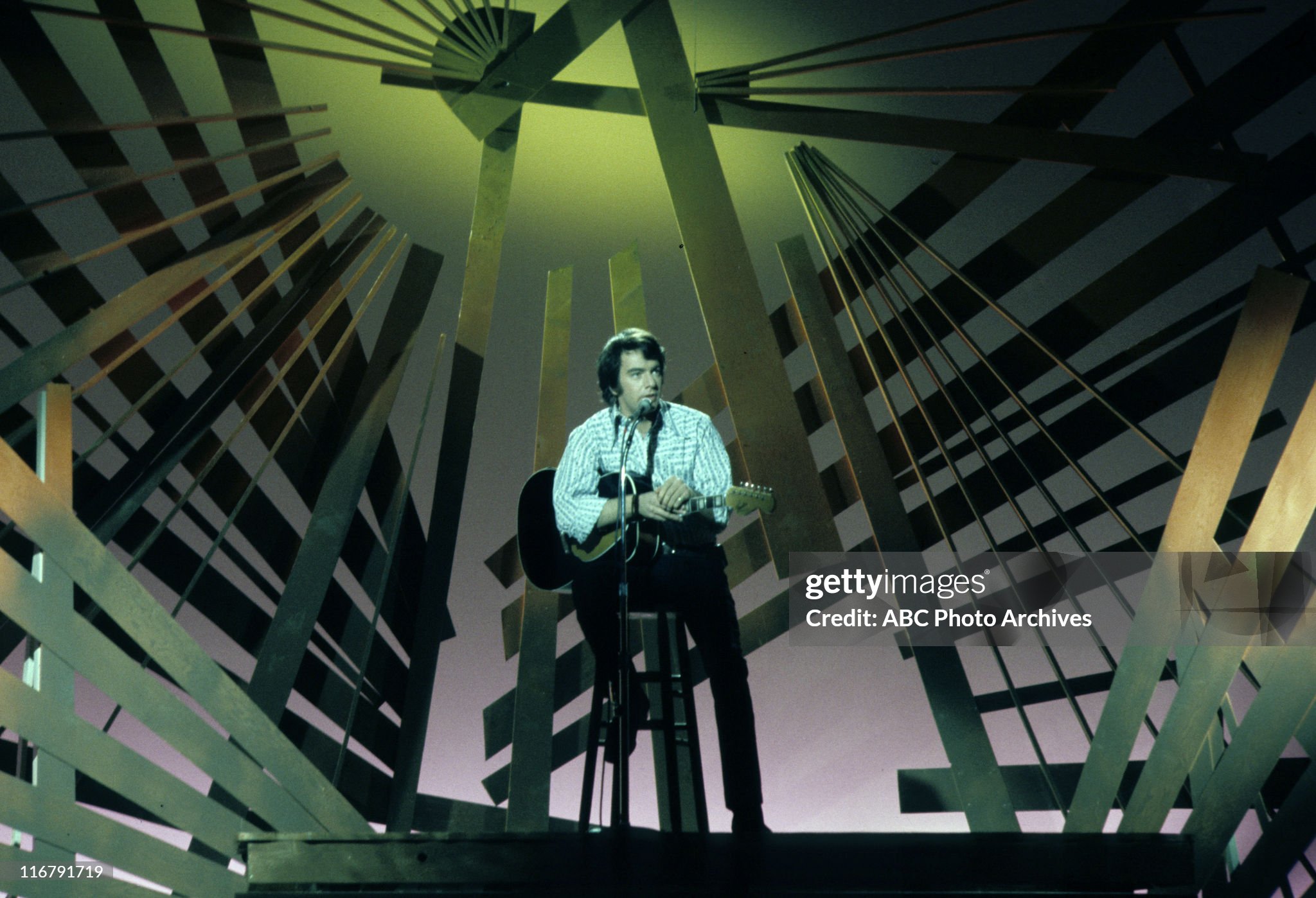
New Orleans by Neil Diamond is not one of the giant singles that defined his career, yet it reveals something just as valuable: his rare ability to turn a place-name into longing, rhythm, and memory.
There are songs that arrive with trophies, chart numbers, and endless radio play. Then there are songs that live a quieter life, waiting for the right listener, the right season, the right hour of remembrance. Neil Diamond’s New Orleans belongs to that second kind. It was not one of the major Billboard Hot 100 hits that made Diamond a household name, and it never stood in the same commercial spotlight as Sweet Caroline, Cracklin’ Rosie, or Song Sung Blue. But to dismiss it for that reason would be to miss one of the most appealing corners of his catalog.
What makes New Orleans so interesting is how naturally it fits the emotional geography of Neil Diamond‘s best work. He was always more than a hitmaker. He was a writer drawn to roads, cities, names, and places that seemed to hold entire lives inside them. Think of the ache and distance in Brooklyn Roads, or the spiritual sweep that runs through so much of his late 1960s and early 1970s writing. In that wider context, New Orleans feels less like a throwaway side road and more like part of a larger map. Diamond understood that a city in a song is rarely just a city. It is temptation, escape, romance, danger, memory, and music itself.
That is why the title matters so much. New Orleans is one of those American names that arrives already carrying a sound. Even before a note is played, the listener brings history to it: brass bands in the distance, humid streets, late-night neon, old sorrow dressed in rhythm, joy with a shadow behind it. In Neil Diamond’s hands, that setting becomes emotional rather than merely geographical. The city is not presented like a travel brochure. It feels like a destination of feeling, the kind of place a song reaches for when ordinary language is no longer enough.
And that was one of Diamond’s great strengths as a performer. His voice was never fragile, never cool in the detached sense. It had push, grain, and hunger in it. Even when he sang material outside the usual list of career-defining hits, he brought a kind of dramatic conviction that made the song feel lived in. That quality serves New Orleans beautifully. The performance carries motion. It suggests wheels turning, heat rising, streets opening up. It reminds us that Neil Diamond could be both grand and earthy at the same time, both theatrical and deeply rooted in American pop and rock tradition.
The story behind the song, in a broader artistic sense, is tied to Diamond’s lifelong instinct for emotional directness. He was never afraid of big feeling, and he was never embarrassed by melody. That combination made him one of the defining popular songwriters of his era. In a song like New Orleans, that instinct works in a different register from the blockbuster anthems. Instead of reaching for a singalong chorus meant to fill an arena, it leans into atmosphere and character. It lets the place do some of the storytelling. That restraint is part of the song’s appeal. It does not force its importance. It earns it gradually.
Meaning, in a song like this, comes from accumulation. New Orleans can be heard as a song about movement, attraction, and the pull of somewhere larger than the room you are standing in. It speaks to one of the oldest ideas in American music: the belief that certain places call to us because they seem to promise reinvention. With Neil Diamond, that idea is never merely literal. The destination is also inward. A city becomes a memory. A memory becomes a mood. A mood becomes a song you return to years later and suddenly hear more deeply than before.
Perhaps that is why songs like this age so well. The obvious hits often stay with us because they were everywhere. The quieter recordings stay because they reveal more over time. Listening now, New Orleans feels like a reminder that Diamond’s catalog was never built only on the biggest titles. It was also built on craft, instinct, and a remarkable feel for how American places and private emotions could meet inside three or four minutes of music.
So yes, if one is measuring only by chart peaks, New Orleans sits outside the highest towers of Neil Diamond’s commercial legacy. But songs are not remembered by statistics alone. Some endure because they catch a temperature, a color, a pulse. This one does exactly that. It carries the sound of a city and the weight of a feeling, and in doing so it shows us another side of Neil Diamond: not just the maker of giant hits, but the artist who knew that sometimes a lesser-known song can hold an entire world.
