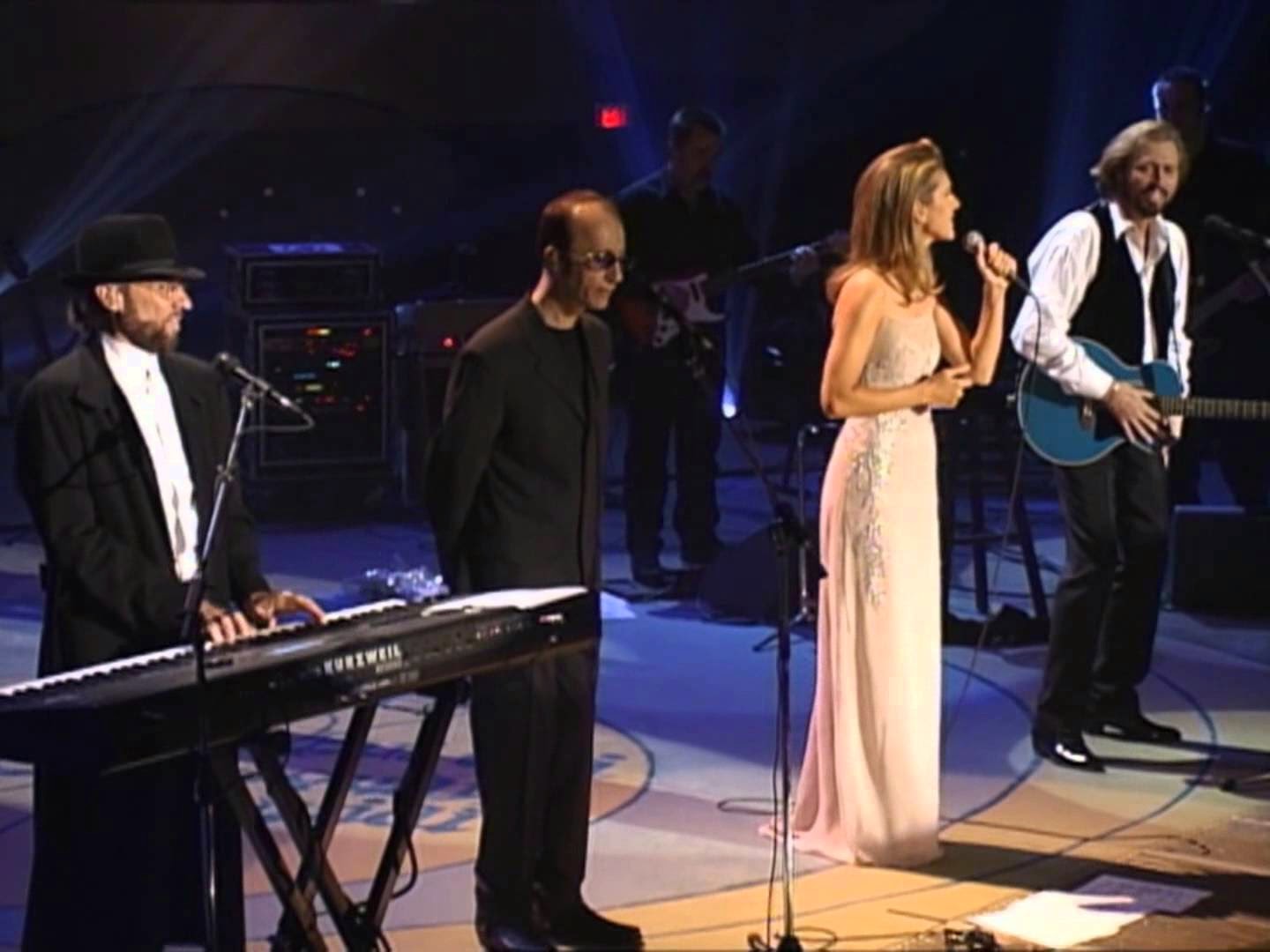
My World found the Bee Gees in a beautifully uncertain moment: no longer the fragile band coming back together, not yet the global disco force, but still writing songs that could turn private feeling into something timeless.
Released in early 1972, My World gave the Bee Gees a solid and telling chart moment in Britain, reaching No. 16 on the UK singles chart. On paper, that may look like a modest success beside the towering hits that would define later years, but in the real story of the group, this record matters far more than its number alone suggests. In a fast-changing pop landscape, with the sound of the early 1970s shifting around them, My World showed that Barry Gibb, Robin Gibb, and Maurice Gibb still knew how to make a record feel intimate, melodic, and instantly recognizable as their own.
This was a transitional Bee Gees single in the best sense of the word. The brothers had already lived through the first explosion of fame in the late 1960s, the emotional strain that came with it, and the uncertainty that followed. Their reunion at the start of the new decade had already produced major work, including the success of How Can You Mend a Broken Heart, but 1972 was still a period of redefinition. They were not leaning on nostalgia, and they had not yet become the sleek, rhythm-driven phenomenon that would soon dominate the second half of the decade. My World sits right in that in-between space, and that is exactly why it remains so fascinating.
Musically, the song has the lightness of a radio single but the emotional craftsmanship of writers who had been through enough life to understand restraint. The arrangement is polished without feeling cold. The melody moves with ease, and the harmonies carry the unmistakable Bee Gees signature: elegant, close, and emotionally precise. It is easy, listening now, to hear how the group could still sound contemporary without giving up the tenderness that had always set them apart. Even when the charts were being reshaped by glam, harder rock, and a more direct style of pop, the Bee Gees could still win attention with grace rather than force.
The meaning of My World is simple on the surface and quietly powerful underneath. Like many of the brothers’ best songs, it takes a familiar romantic idea and gives it a more personal, almost sheltered glow. The title itself says everything: love is not just an emotion here, but a whole environment, a place of belonging, a private universe built around another person. There is no need for theatrical heartbreak or oversized drama. What makes the song endure is the sincerity in that feeling. It understands that sometimes devotion is not loud. Sometimes it is calm, steady, and deeply human.
That emotional directness was always one of the Bee Gees’ great gifts. They could write songs that felt immediate without sounding careless, and reflective without becoming distant. My World may not be discussed as often as the group’s biggest milestones, but it reveals the depth of their songwriting in a way that giant hits sometimes hide. This is not a record built on spectacle. It lives on phrasing, melody, and atmosphere. It asks the listener to come closer rather than stand back and admire from afar.
Its chart performance in Britain makes the story even more meaningful. A UK No. 16 single in 1972 was no small feat, especially for a band navigating the space between past identity and future reinvention. The single also found strong support internationally, further proving that the Bee Gees still had broad commercial pull during a period when many acts from the previous decade were struggling to sound relevant. In that sense, My World was not simply another release. It was evidence of durability. It showed that the brothers’ core strengths had not faded: melodic instinct, vocal blend, and the ability to turn emotional truth into pop form.
There is also something touching about where the song sits in the wider catalog. It came from the same era that produced the album To Whom It May Concern, a period when the group was exploring who they were after reunion and before full reinvention. My World was released as a stand-alone single rather than being locked into the identity of one major studio album, and that has always given it a slightly different aura. It feels like a moment captured on its own terms, later finding a home on compilations such as Best of Bee Gees, Volume 2. That independent quality suits the song. It has always felt a little like a bridge, a memory between chapters.
Looking back now, My World carries the special poignancy of a song that was important before history fully revealed why. It was not the record that made the Bee Gees untouchable, and it was not the song that became shorthand for their legend. But it did something just as valuable: it kept the line unbroken. It reminded listeners that the brothers were still capable of warmth, polish, and emotional clarity at a time when the future was still unwritten. The later triumphs would be enormous, of course, but records like My World are what make the larger story feel complete.
For many listeners, that is the enduring beauty of this 1972 single. It sounds like a band still believing in melody, still trusting feeling, still finding their way through change with uncommon elegance. And when a song like that reaches No. 16 in the UK, it is more than a chart fact. It is a marker of survival, taste, and quiet confidence. My World may not always be the first Bee Gees song named in conversation, but once it starts playing, it becomes very easy to remember why it deserved its place.
