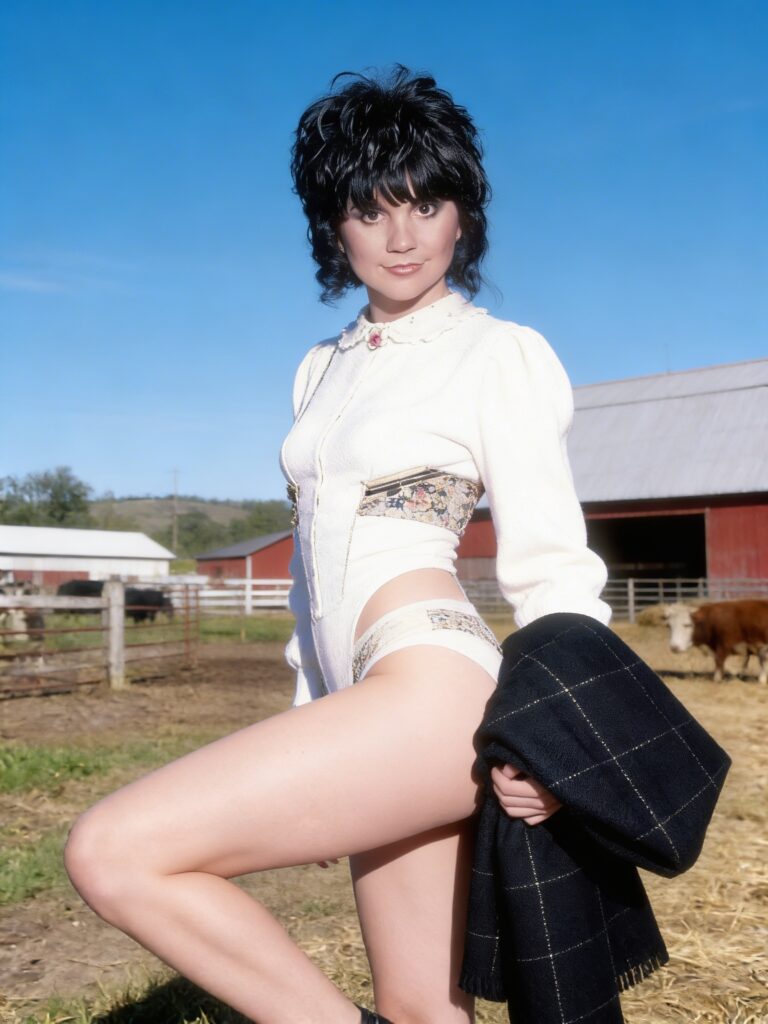
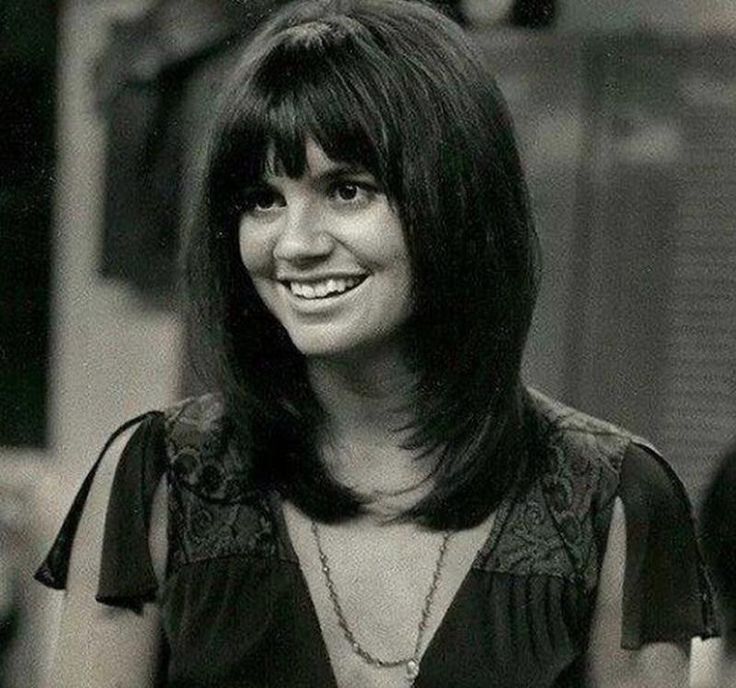
“Willin’” is more than a road song in Linda Ronstadt’s hands; it becomes a weary, tender portrait of freedom, loneliness, and the miles a heart can carry.
When Linda Ronstadt released Heart Like a Wheel in late 1974, the album did far more than confirm her stardom. It became the record that pushed her fully into the front rank of American popular music, eventually reaching No. 1 on the Billboard 200 in early 1975. Much of the public conversation naturally centered on big hits such as “You’re No Good” and “When Will I Be Loved”. Yet tucked into that remarkable album was “Willin’”, a song that never depended on chart fireworks to make its mark. It endured in a quieter, deeper way, as one of those tracks listeners return to when they want the soul of an album rather than its headlines.
The song itself already carried a strong history. “Willin’” was written by Lowell George, the gifted songwriter and founding force behind Little Feat. Before Linda Ronstadt recorded it, the song was already admired as one of the great American highway ballads, full of truck-stop imagery, desert distance, hard travel, and that peculiar mix of toughness and vulnerability that belongs to life on the move. George did not write it as a glamorous anthem. He wrote it with dust on its boots. It was about work, fatigue, appetite, escape, and the cost of never quite staying still.
That is exactly why Linda Ronstadt was such a natural singer for it. One of her greatest gifts was never simply vocal power, though she had plenty of that. Her true greatness often lay in interpretation. She could take a song written by someone else and uncover the ache sitting quietly inside it. In her version of “Willin’”, the wide-open road does not feel carefree. It feels earned. The miles are long, the horizon is beautiful, and yet there is an unmistakable loneliness in the air. Ronstadt understood that the song’s emotional center was not bravado. It was endurance.
On Heart Like a Wheel, that insight makes all the difference. The arrangement is unhurried, earthy, and beautifully restrained, letting the song breathe in its own natural rhythm. There is a soft country-rock glow around the performance, touched by the kind of instrumental grace that defined the era without ever overwhelming the vocal. Nothing feels forced. Nothing is pushed too hard. Ronstadt sings as if she is standing inside the story rather than merely performing it. That calm emotional honesty gives the song its lasting power. She does not decorate the pain; she simply lets it live.
What makes her rendition so memorable is the way she balances strength and weariness. The narrator of “Willin’” has seen plenty, survived plenty, and kept going anyway. In another singer’s hands, that can become a portrait of rugged cool. In Linda Ronstadt’s voice, it becomes something more human. The trucker’s life here is not just movement from one place to another. It is a life built out of sacrifice, appetite, memory, and necessity. The famous road imagery remains, but Ronstadt brings out the emotional aftermath behind it. The song becomes less about travel itself and more about what travel does to a person over time.
That deeper feeling also helps explain why the song has stayed so beloved among listeners who treasure album cuts. It was never the obvious commercial centerpiece of Heart Like a Wheel, but it may be one of the clearest examples of who Linda Ronstadt was as an artist in that period. She was helping define the California country-rock sound, yes, but she was also doing something more enduring than trend-making. She was connecting older traditions of folk, country, and American storytelling to a modern audience that still wanted songs with weather in them, songs that carried landscapes, not just hooks.
There is also something timeless in the meaning of “Willin’”. On its surface, it is about the road and the rough code of survival that comes with it. Beneath that, it is about longing for motion and paying for it in solitude. It is about choosing a life that keeps calling you forward even when that life leaves marks. That tension between freedom and fatigue is what gives the song its emotional truth. Linda Ronstadt does not soften that truth. She sings it with compassion.
Looking back now, that is part of what makes the recording feel so rich. On an album famous for major hits and polished triumph, “Willin’” remains one of the most intimate moments. It reminds us that the best records of the 1970s often held their deepest revelations between the singles. A song did not need to dominate radio to become essential. Sometimes it only needed the right voice, the right arrangement, and the right emotional understanding. Linda Ronstadt gave all three to “Willin’”, and in doing so, she turned an already great song into something hauntingly personal.
That is why it still sounds so alive. Not because it shouts, but because it lingers. Not because it was the biggest song on the album, but because it speaks in the language of memory: highways after dark, distant towns, restless hearts, and the quiet dignity of carrying on. In the hands of Linda Ronstadt, “Willin’” became one of those rare recordings that feels both vast and intimate at once, like America seen through a windshield and felt through a private ache.
