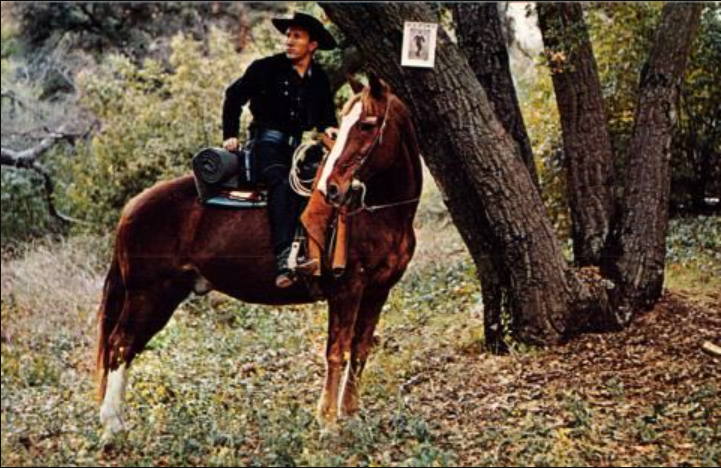
A Ballad of Pursuit and Fate: The Timeless Echo of a Gunman’s Tale
In 1959, when Marty Robbins released “Running Gun” as part of his critically acclaimed album, Gunfighter Ballads and Trail Songs, the song quickly etched itself into the tapestry of American country music. Emerging from an era rich with tales of the Old West, this track stands out not just for its storytelling prowess but also for its stark portrayal of the inexorable pull of fate. While it may not have reached the dizzying heights on the charts that some of its contemporaries did, “Running Gun” remains a poignant testament to Robbins’ narrative artistry and his deep understanding of the human condition.
At the heart of “Running Gun” lies a narrative both timeless and singular, echoing themes as old as storytelling itself — the doomed quest for freedom and redemption. Robbins’ inspiration for crafting such vivid musical narratives is often attributed to his upbringing in the Arizona desert, where stories of cowboys and outlaws were as pervasive as the sand underfoot. With this song, he taps into those legends, weaving them into a compact, yet expansive narrative that resonates with listeners even today.
The lyrical journey begins with an outlaw on the run, a character so vividly drawn through Robbins’ deft lyrical touch that one can almost see the dust kicked up by his frantic horse’s hooves. Robbins employs a first-person perspective, immersing the listener in the outlaw’s desperate flight. There is no escape from the palpable tension that underscores every verse; each line is heavy with the inevitability of destiny catching up to a man bound by his past choices.
Musically, “Running Gun” is driven by Robbins’ distinctive vocal delivery, which marries a rich baritone with an understated elegance that reflects both confidence and melancholy. The arrangement—simple yet profound—echoes the stark landscapes it describes. The acoustic guitar work is reminiscent of galloping horses, conjuring images of wide-open plains and endless skies. Robbins’ ability to fuse melody with narrative clarity allows “Running Gun” to transcend its era, speaking to universal themes of survival and morality.
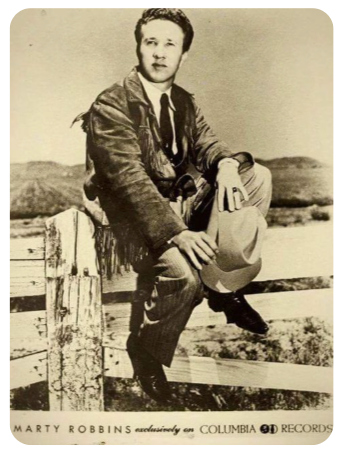
In terms of his career, Marty Robbins was already a significant figure in country music by the time he recorded this song. Known for his versatile voice and broad appeal across genres, Robbins was an artist who defied easy categorization. With Gunfighter Ballads and Trail Songs, he bridged traditional country with folk storytelling, crafting an album that would become emblematic of cowboy ballads. It was within this collection that “Running Gun” found its home—a narrative thread woven seamlessly into a larger tapestry exploring honor, justice, love, and death.
Culturally, “Running Gun” holds a distinguished place in the annals of country music history. At a time when America was grappling with rapid social change, Robbins offered an auditory refuge—a retreat into stories that were both simpler and more complex than they appeared at first glance. His ballads evoked a world where moral lines were sharply drawn, yet where human frailty and destiny rendered those lines tragically porous.
Emotionally resonant and expertly crafted, “Running Gun” remains an enduring reminder of Robbins’ genius as a storyteller. It evokes a haunting atmosphere—one filled with dusty trails and distant horizons—that lingers long after the final note fades away. In capturing the soul of an outlaw’s last ride with such depth and precision, Marty Robbins ensured that his legacy would continue to run alongside these tales of courage and consequence.
In reflection, it is clear why “Running Gun,” along with other tracks from Gunfighter Ballads and Trail Songs, continues to be celebrated as one of country music’s defining works. Through it all—the swift pursuit through untamed lands, the melancholy acceptance of one’s fate—Robbins does more than tell a story; he invites us to confront our own destinies in that age-old dance between freedom and fate.
