
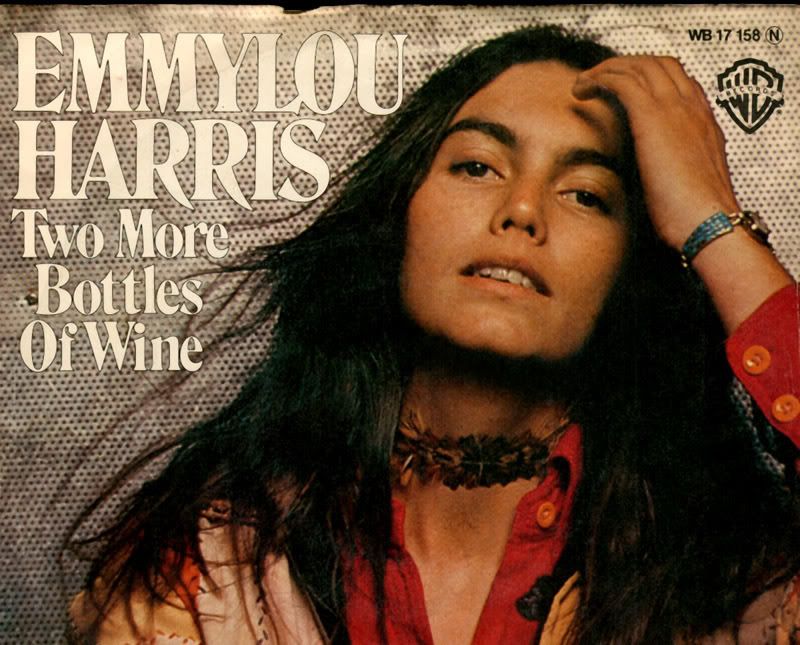
On the surface, Beneath Still Waters sounds poised and graceful. Underneath, it is one of Emmylou Harris’ most piercing songs of hidden hurt—and the elegant country single that rose to No. 1.
When people remember Emmylou Harris and a song called “Still Water” as a chart-topping moment, the title they usually mean is “Beneath Still Waters”. That distinction matters, because the full title contains the whole emotional key to the song. Released as a single from her 1979 album Blue Kentucky Girl, Harris’ version climbed to No. 1 on the Billboard Hot Country Singles chart in the spring of 1980. It was one of those records that did not need to shout to be unforgettable. It arrived quietly, with the confidence of a seasoned artist, and then settled into the heart with uncommon force.
Written by the great Dallas Frazier, “Beneath Still Waters” is built on one of country music’s oldest and most durable truths: calm does not always mean safety. The song’s central image is simple and devastating. The water may look still, but underneath runs a dangerous current. In emotional terms, that means love can appear steady while carrying betrayal, sorrow, or collapse just below the surface. It is a classic country metaphor, but Frazier gave it unusual elegance, and Harris understood exactly how to sing it without overplaying it.
That may be one reason the record connected so deeply. By the time Blue Kentucky Girl appeared, Emmylou Harris had already established herself as an artist of rare taste and discipline. She could move between country, folk, and roots music with extraordinary ease, yet she never sounded like someone merely trying styles on. On this album, she and producer Brian Ahern leaned with special affection toward classic country textures. The result was not nostalgia for its own sake. It was a living conversation with the tradition—fiddle, steel, space, and sorrow, all handled with exquisite restraint.
“Beneath Still Waters” fit that artistic direction perfectly. Earlier recordings of the song existed, but Harris gave it a clarity and atmosphere that made many listeners feel as if they were hearing its truest form. Her voice does something remarkable here: it remains composed even as the lyric suggests emotional danger. She does not rush toward drama. She lets the warning gather slowly. That is what makes the performance so affecting. The hurt is not theatrical. It feels observed, endured, and understood.
And that, in a way, is the great secret of the record. Many country songs about romantic disappointment are open wounds. This one is colder, quieter, and perhaps more unsettling. It is the sound of someone who has already looked at the surface long enough to know better. Harris sings as if she has learned that appearances can mislead, that gentleness can conceal force, and that the deepest pain is often the pain that arrives without noise. For listeners, that emotional intelligence is part of what made the song linger long after the radio faded.
Its chart success mattered too. Reaching No. 1 on Billboard was more than a commercial statistic. It confirmed that an artist as refined and emotionally subtle as Emmylou Harris could stand in the center of mainstream country music on her own terms. She did not need to harden her sound or simplify her instincts. She brought nuance to the format and was rewarded for it. In an era full of strong voices and vivid personalities, Harris remained unmistakable because she understood the power of understatement. “Beneath Still Waters” is a perfect example of that gift.
The song also says something essential about why Harris has endured. There are singers who impress, and there are singers who reveal. Harris has always belonged to the second group. She reveals emotional weather. She reveals the ache inside beautiful melodies. She reveals how a line can carry both warning and tenderness at once. In “Beneath Still Waters”, she turns a familiar country theme into something more reflective, almost haunted. You can hear the tradition in it, certainly, but you can also hear a mind at work—a singer reading every word for its emotional weight.
Decades later, the record still carries that same quiet authority. It has not faded into period charm or become merely a memory of radio success. If anything, it sounds even wiser now. Time has a way of making songs like this feel fuller, because experience catches up with them. More and more, one hears not just the beauty of the arrangement or the purity of Harris’ phrasing, but the truth inside the metaphor. The most dangerous undertow is often the one you do not see at first. The most lasting heartbreak is often the one delivered in a gentle voice.
So if the topic is Emmylou Harris, “Still Water,” and that treasured No. 1 moment, the song worth returning to is “Beneath Still Waters”. It remains one of the finest achievements of her Blue Kentucky Girl period: deeply country, beautifully sung, and emotionally exact. It is not just a hit record from 1980. It is a lesson in how grace can carry grief, how restraint can deepen a lyric, and how a truly great singer can make silence feel as expressive as sound.
