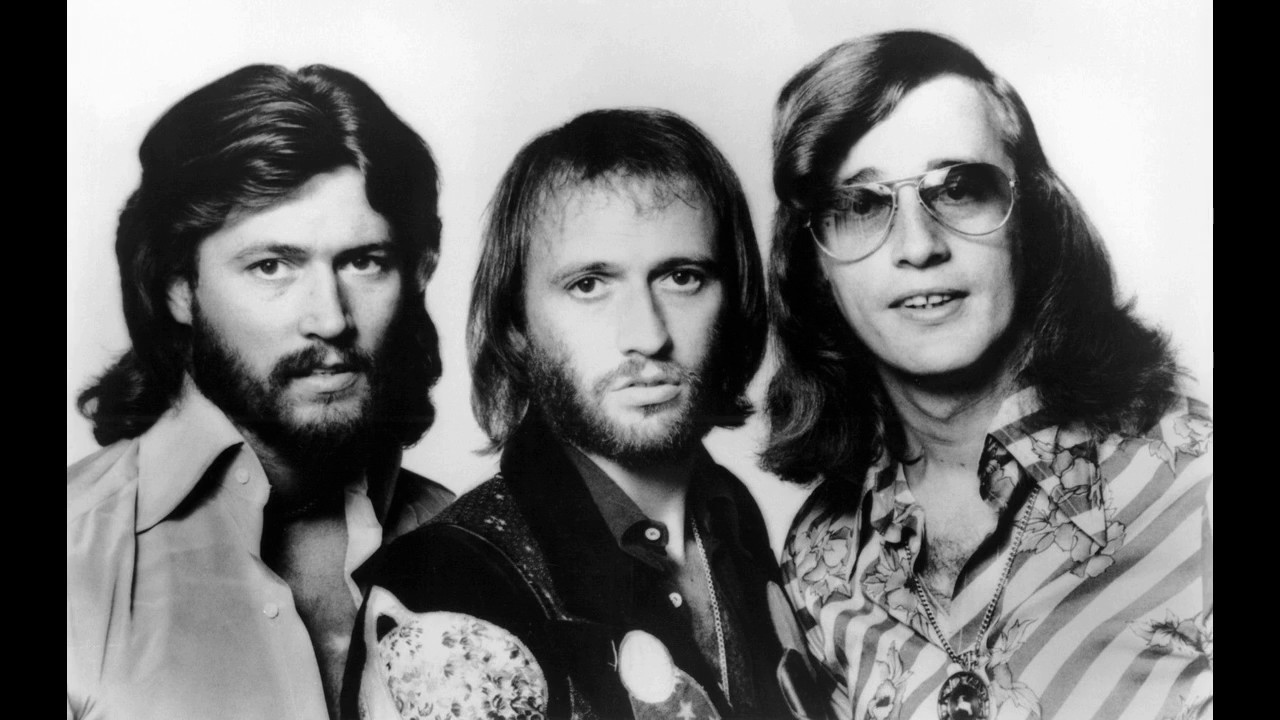
Don’t Wanna Live Inside Myself is one of the Bee Gees‘ most revealing ballads, a song about emotional isolation, wounded pride, and the desperate wish to break out of loneliness before it hardens into a way of life.
Released in 1981 during the Living Eyes era, Don’t Wanna Live Inside Myself arrived at a complicated moment for the Bee Gees. Only a few years earlier, Barry, Robin, and Maurice Gibb had stood at the center of popular music, their songwriting and harmonies helping define an era. But by the early 1980s, the fevered dominance of disco had cooled, and so had the industry’s treatment of the group. In the United States, Don’t Wanna Live Inside Myself reached No. 39 on the Billboard Hot 100, a modest showing by Bee Gees standards, especially for a trio whose run in the late 1970s had seemed almost untouchable. Yet charts only tell part of the story. This song was not built to dazzle in the way their biggest hits once did. It was built to ache.
Written by Barry, Robin, and Maurice Gibb, the song belongs to that quieter side of the Bee Gees that sometimes gets overlooked when people remember the white suits, falsetto hooks, and dance-floor thunder of the Saturday Night Fever years. Beneath all the fame, they had always been deeply melodic writers, often drawn to heartbreak, regret, and emotional uncertainty. Don’t Wanna Live Inside Myself brings that side forward with unusual clarity. The title alone carries a kind of exhausted honesty. This is not merely a love song about missing someone. It is about the prison of the self, about what happens when pride, pain, and silence trap a person in his own inner room.
Musically, the recording leans into restraint rather than spectacle. The arrangement is polished, elegant, and unmistakably early 1980s, but it never loses its emotional center. Barry Gibb’s lead vocal is especially important here. Instead of pushing the kind of bright, urgent attack that powered so many massive hits, he sings with a bruised tenderness. The performance feels inward, almost conversational at moments, as if the song were being confessed rather than performed. Robin and Maurice help create that familiar Bee Gees atmosphere around him, but the mood remains solitary. Even in harmony, the song sounds alone.
That may be one reason it still resonates. The lyric speaks to a feeling many listeners recognize but do not always name: the fear of becoming sealed off from other people by disappointment, misunderstanding, or emotional fatigue. Don’t Wanna Live Inside Myself is about wanting connection while no longer knowing how to reach for it. There is vulnerability in that idea, but there is also resistance. The singer is not surrendering to loneliness. He is pushing back against it. He is trying, however painfully, to step outside the walls he has built around himself.
In the broader story of the Bee Gees, the song is also moving because of when it appeared. The Living Eyes period came after extraordinary fame, and with that came the backlash that so often follows success on a historic scale. Many artists would have responded by chasing trends or by hardening their image. The Bee Gees did something more vulnerable: they continued writing songs with emotional depth, even if the commercial climate had changed. Living Eyes itself is often remembered as an underappreciated album, and it is worth noting that it was among the early major pop albums recorded with digital technology, giving it a smooth, carefully detailed sound. But the technology is not what lasts. What lasts is the feeling.
There is something almost startling, even now, in hearing a group so often associated with global success sound this exposed. The song does not beg for sympathy, and it does not cloak its sadness in grand drama. Instead, it speaks in the weary language of someone who has learned that the hardest walls to break are the ones inside. That emotional intelligence is part of what made the Bee Gees more than hitmakers. They understood how private hurt could live inside a beautifully crafted pop song.
For listeners returning to Don’t Wanna Live Inside Myself today, the song can feel even richer than it did in 1981. Time has a way of revealing what the charts miss. What may have sounded then like a modest adult-pop single now feels like a document of transition: a legendary group stepping away from the glare and singing from a more intimate place. It is not among the first Bee Gees songs most casual listeners name, and perhaps that is exactly why it hits so deeply when rediscovered. There is no myth to fight through, no overfamiliar chorus to lean on. There is only the song, the voice, and that lingering human truth at its center: no one truly wants to remain locked inside himself forever.
That is the quiet power of Don’t Wanna Live Inside Myself. It reminds us that some of the most revealing records are not the loudest, not the most celebrated, and not the ones that dominate the radio for months. Sometimes the songs that stay with us are the ones that seem to speak from the next room, softly but unmistakably, carrying the weight of all the feelings people once tried not to say aloud.
