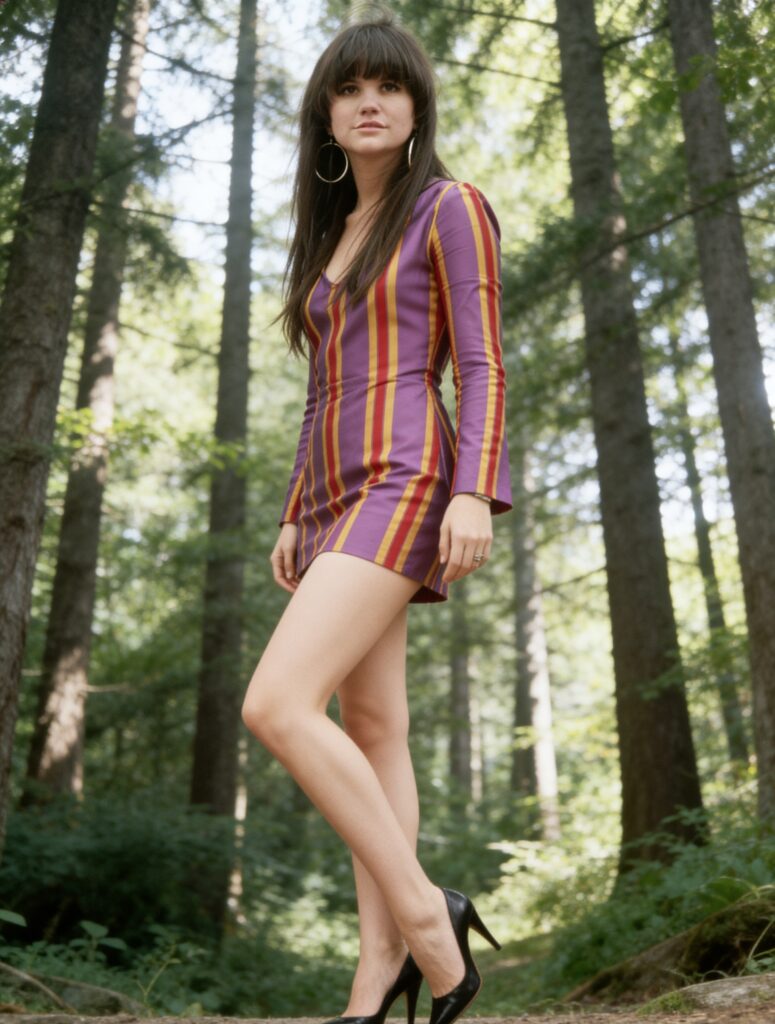
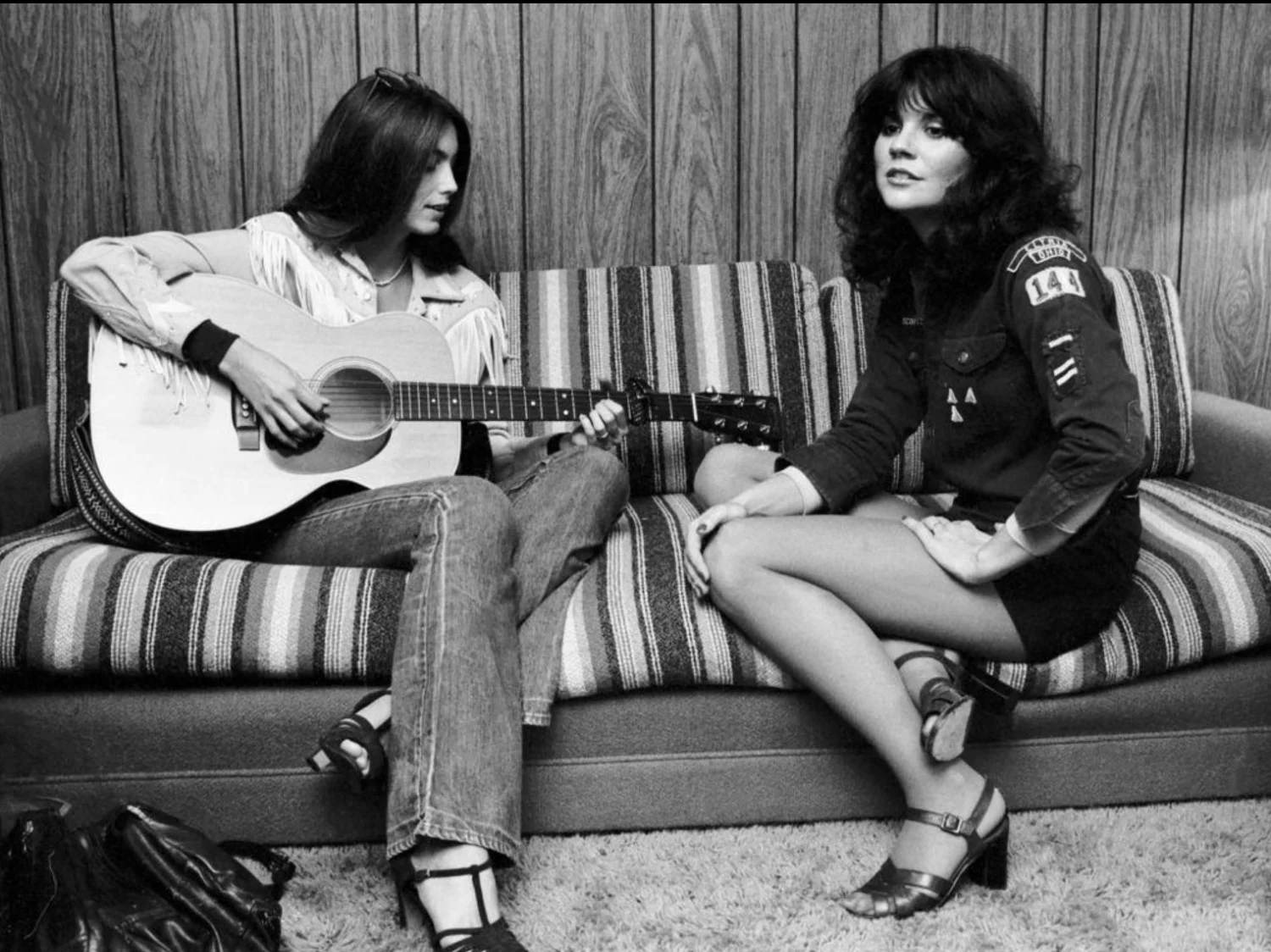
The Only Mama That’ll Walk the Line was more than an early Linda Ronstadt single. It was a fearless sign that she could bring country grit, rock energy, and female authority together in one unforgettable stroke.
Released in 1969 from Hand Sown… Home Grown, the first solo album by Linda Ronstadt, The Only Mama That’ll Walk the Line stands as one of the most revealing records of her early career. It was not her biggest chart hit, but it was one of her clearest artistic statements. The single reached No. 80 on the Billboard Hot 100, a modest placing on paper, yet its importance has always felt much larger than the number suggests. Long before the arena triumphs, the platinum albums, and the familiar radio staples, this record showed that Ronstadt already knew exactly how to sound strong without losing warmth, and how to sound country without giving up the drive of rock and roll.
The song itself had already made noise in another form. Written by Jimmy Bryant, it first became famous as Only Daddy That’ll Walk the Line, a 1968 hit for Waylon Jennings that climbed to No. 2 on the Billboard Hot Country Singles chart. Jennings sang it with swagger, as a hard-country declaration full of masculine defiance. When Linda Ronstadt took the song and turned it into The Only Mama That’ll Walk the Line, she did something far more interesting than a simple gender swap. She shifted the center of gravity. Suddenly the attitude belonged to a woman, and the song no longer felt like a boast from across the barroom. It felt like a line drawn in the dust.
That was part of Ronstadt’s rare gift even then. She could sing with tenderness, but she never sounded fragile unless the song truly asked for fragility. Here, she sounds playful, commanding, and entirely in control. There is an edge in the performance, but there is also charm. The arrangement leans into the country-rock language that would soon define so much of the California sound of the 1970s, yet it still carries the sharper snap of classic honky-tonk. In that balance, you can hear the road ahead. The woman who would later become one of the defining voices in American popular music is already present in full outline.
Hand Sown… Home Grown deserves a great deal of respect for that reason. It is often remembered as one of the earliest major country-rock albums made by a female artist, and this song is one of the best examples of why. Ronstadt had grown up loving country music, and she never treated it as a costume or a passing trend. Even when the broader rock world had not fully decided what to do with country influences, she heard something living and durable in that tradition. The Only Mama That’ll Walk the Line captures that instinct beautifully. It has the toughness of old country storytelling, but it also moves with the freedom of the late 1960s, when genre walls were starting to loosen and brave singers could reinvent familiar material with their own identity.
The meaning of the song rests in that confidence. On the surface, it is a feisty, good-humored warning: this woman is not easily handled, not easily replaced, and certainly not meant to be underestimated. But underneath the quick rhythm and the lively phrasing, there is something more lasting. Ronstadt’s version turns the song into a small anthem of self-possession. She is not pleading to be understood. She is announcing herself. That is one reason the record still feels fresh. In an era when women in both country and rock were often pushed toward sweetness or heartbreak, Ronstadt found space for authority, wit, and backbone.
There is also something deeply enjoyable about how unforced it all sounds. Nothing here feels self-conscious. Ronstadt does not perform the song as a novelty, and that is crucial. A lesser singer might have played up the gender reversal too broadly, but she sings it as if the song had always belonged to her. That confidence is what gives the performance its staying power. She takes a song born in one voice and persuades you that it had another life waiting inside it all along.
Looking back now, the record feels almost prophetic. So much of what listeners would later love about Linda Ronstadt is already here: the clarity of tone, the emotional directness, the instinct for material, the refusal to be boxed in by narrow expectations. Before the big crossover years, before Heart Like a Wheel, before the long run of blockbuster albums, she was already building a bridge between traditions. The Only Mama That’ll Walk the Line may not be the first song named when casual listeners think of Ronstadt, but for anyone who cares about how artists become themselves, it is a thrilling early chapter.
And perhaps that is why the song continues to matter. It reminds us that greatness rarely arrives out of nowhere. Sometimes it comes in the form of a single that slips into the charts without fanfare, carrying in its grooves the first clear evidence of a future legend. In 1969, Linda Ronstadt did not just record a spirited cover. She staked a claim. She took a hard-country hit, gave it a woman’s strength and California fire, and left behind one of the most telling performances of her formative years. Decades later, it still sounds like the moment a remarkable voice stopped asking for permission and simply stepped across the line.
