
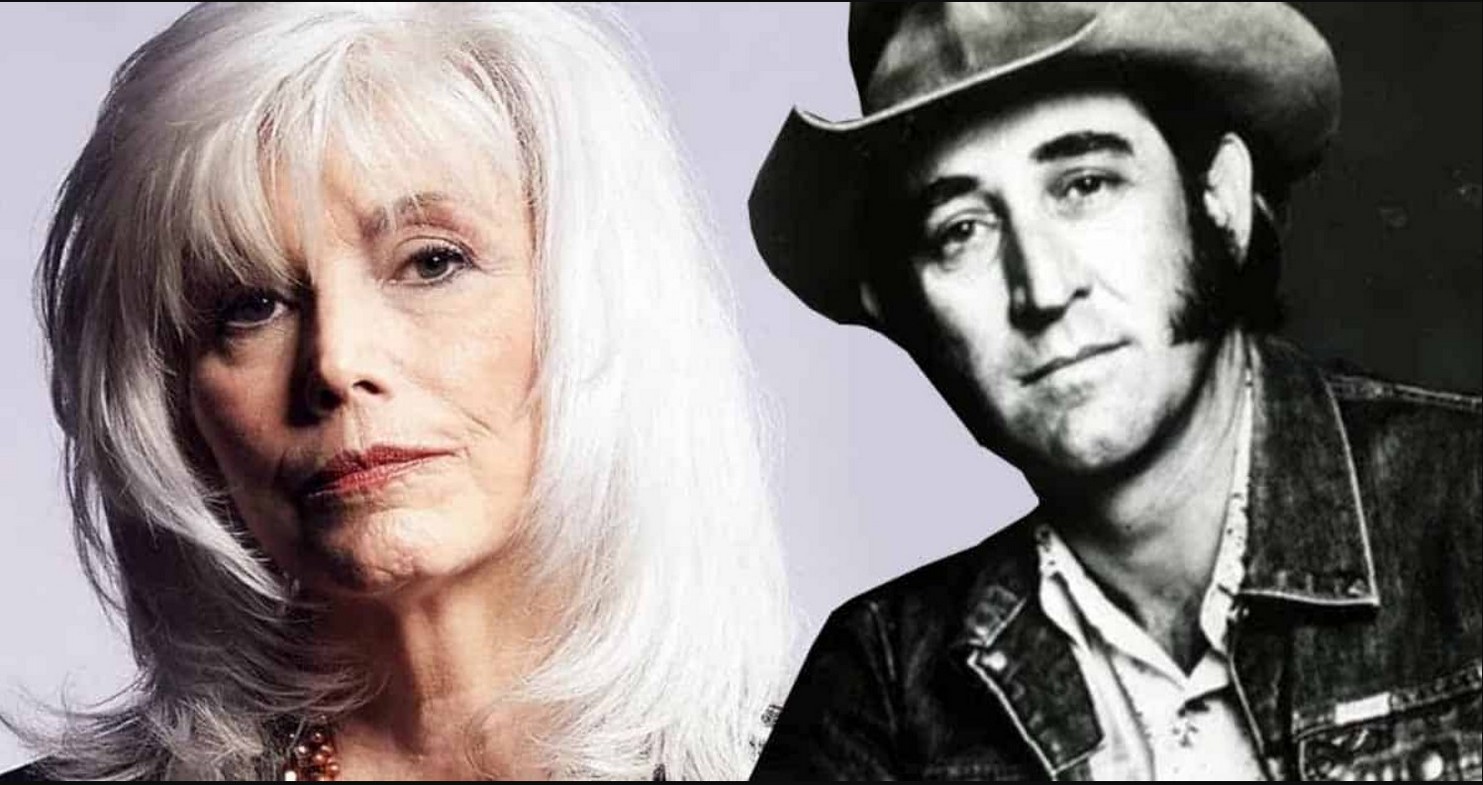
In “The Stranger Song,” Emmylou Harris does not chase the listener. She lets the voice come close, almost gently—and then leaves you in a room full of distance, where loneliness lingers longer than the melody itself.
There are songs that announce their sadness at once, and there are songs that let it gather slowly, almost politely, until you realize you have been standing inside it for some time. “The Stranger Song” belongs to that second kind. When Emmylou Harris recorded it for Cimarron, released in November 1981, she placed herself inside a song that already carried one of the most elusive emotional worlds in modern songwriting. Cimarron reached No. 7 on Billboard’s country albums chart, but the album has often been remembered for its hit singles and its patchwork origins rather than for quieter, more inward performances like this one. That may be why “The Stranger Song” still feels so potent now: it was never pushed as the obvious centerpiece, so it remains a song listeners often come to privately, and keep.
The first precious fact behind it is the one that changes everything: “The Stranger Song” was written by Leonard Cohen, and first released by him in 1967. That matters because Cohen did not write songs that gave themselves away easily. He wrote songs that moved like riddles spoken in a low voice, full of human weakness, emotional evasion, and truths that hurt more because they were never stated too plainly. By choosing this song, Harris was not simply covering a respected songwriter. She was entering one of his most haunted rooms. And she had the rare gift required for that kind of material: a voice clear enough to illuminate mystery without dissolving it.
That is why the title in your line feels exactly right: the voice draws you in, the loneliness keeps you there.
Because Harris does not make the song heavier than it is. She does something harder. She makes it feel inevitable. Her voice arrives with that familiar Emmylou purity—unforced, lucid, almost merciful—and for a moment the song seems less forbidding than it might in other hands. But that clarity only makes the emotional solitude sharper. She does not soften the loneliness; she reveals it. What in Cohen can feel shadowed and shifting becomes, in Harris, heartbreak seen in cleaner light. And sometimes that is even more devastating.
There is also something especially moving about where the song sits in her career. Cimarron was assembled largely from recordings left over from earlier sessions, and some critics have long felt the album lacked a single unifying mood. Yet that very context gives “The Stranger Song” an added poignancy. On a record built partly from material that had not found a home elsewhere, this song about emotional distance and unsettled belonging feels strangely at home. It sounds like something wandering, and knowing it wanders.
What gives the performance its quiet force is that Harris never tries to solve the song. She does not force it into a neat confession, and she does not overdramatize the sadness. She lets the listener feel the ache of someone who cannot quite stay, cannot quite belong, cannot quite love without also slipping away. That emotional instability is the song’s true wound. It is not loud heartbreak. It is the more unsettling sorrow of recognizing a pattern in someone—or perhaps in oneself—that cannot easily be mended.
And that, perhaps, is why the song still hits so deeply. Many lonely songs give us a figure to pity. “The Stranger Song” gives us something harder: a state of being. The stranger is not only a person passing through. The stranger is the part of the heart that never fully comes in from the cold. Harris understands that instinctively. She sings with tenderness, but never with false reassurance. Her warmth invites you closer, only for the song’s deeper solitude to become more unmistakable.
So yes, Emmylou Harris’s “The Stranger Song” still hits with quiet force. Not because it cries louder than other sad songs, and not because it offers easy drama, but because it lets beauty and loneliness stand side by side without forcing either one to yield. The voice is the invitation. The isolation is the aftertaste. And long after the record ends, that is what remains—the feeling of having been drawn gently toward something you could never quite hold.
