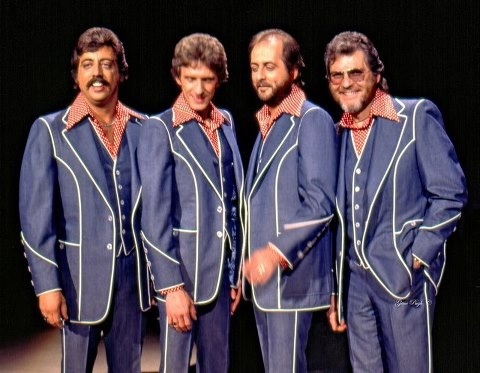
A country story song where a graduation class becomes a chorus of ordinary lives, changed dreams, and shared memory.
In 1972, The Statler Brothers released The Class of ’57, a story song written by Don Reid and Harold Reid that turned a high school graduating class into one of country music’s most tender roll calls. The record came from the group’s strong early-1970s Mercury period, when their gospel-rooted harmony, plainspoken storytelling, and small-town eye for detail were finding a lasting home on country radio. It became a country Top 10 single and earned the group a Grammy Award for country group vocal performance, but its deeper success has always been quieter than a trophy or a chart number. It is the kind of song people remember because it sounds like a yearbook after life has had time to write in the margins.
The Statlers were especially suited to a song like this. With Don Reid, Harold Reid, Phil Balsley, and Lew DeWitt, the group had a blend that could feel formal and neighborly at the same time. Their voices carried the polish of quartet singing, but their best records did not feel distant or grand. They sounded like men who knew the names in the song, knew the streets, knew the church hallway, knew the classmates who left town and the ones who stayed. In The Class of ’57, that shared vocal identity matters. The song is not simply one man looking backward. It feels like a whole community remembering itself.
The brilliance of the record is in its structure. Instead of building a dramatic plot around one hero, it moves through names and occupations, giving us quick glimpses of what became of people after graduation. A used-car lot, a beauty shop, a grocery store, a truck route, an insurance desk, a schoolroom, a church organ — these are not glamorous images, and the song does not pretend they are. But it does not mock them either. The details are plain, almost conversational, and that is why they land with such feeling. The graduates of 1957 once stood at the edge of adulthood with the usual promises and possibilities. Years later, the song finds them in the real country of work, routine, compromise, and survival.
The chorus gives the song its ache. The Class of ’57 had dreams, and the record lets that idea hang in the air without turning bitter. There is a difference between saying life disappointed people and saying life became smaller than the speeches on graduation night. The Statlers understand that difference. The words recognize youthful ambition, but they also recognize the ordinary dignity of lives that did not become spectacular. That tension is what makes the song so durable. It is not a complaint against growing older. It is a careful look at how adulthood slowly edits the future we once imagined.
Musically, the arrangement stays close to the story. The recording does not need a large instrumental gesture because the lyric is already crowded with lives. The rhythm moves with the steadiness of country radio from that period, giving the verses room to breathe. The lead vocal is direct and unsentimental, while the group harmony widens the chorus into something communal. When those voices come together, the song stops being a list of individual outcomes and becomes a shared memory. That is the Statler gift: they could make harmony feel like a congregation, a family table, or a class reunion where everyone knows the old names even if the faces have changed.
There is also a specifically American small-town texture in The Class of ’57. The jobs in the verses are everyday jobs; the landmarks are the kinds of places that hold communities together without being famous. Country music has often been strongest when it treats ordinary life as worthy of song, and this record does that with unusual precision. It captures the space between the school photograph and the middle-aged reality, between the promise of leaving and the pull of home, between pride and resignation. Nothing is overstated. Nobody delivers a speech about lost innocence. The song simply counts the classmates and lets time do the rest.
That restraint is part of why the record remains powerful for country oldies listeners. Many songs about youth turn the past into a golden place. The Class of ’57 does something more honest. It remembers high school not as perfection, but as a moment when everybody still seemed unfinished. The sadness comes from knowing how life sorted those dreams into workdays, marriages, small successes, private disappointments, and the plain need to keep going. The warmth comes from the fact that the song still says the names. It still gives each person a place in the chorus.
For fans who grew up hearing The Statler Brothers on the radio, on records at home, or on television with those familiar harmony parts, this song can feel like more than a country hit from 1972. It feels like a scrapbook page sung aloud. It belongs to the tradition of country story songs that trust detail more than decoration. It is bittersweet because the dreams are not denied, but neither are they rescued by easy nostalgia. The class had its dreams, and the Statlers made those dreams sound human: hopeful once, altered later, and still worth remembering.
That is why The Class of ’57 has aged with such grace. It does not ask listeners to be young again. It asks them to look kindly at the distance between who people were and who they became. In the hands of The Statler Brothers, that distance becomes harmony — four voices carrying a whole graduating class, and behind them, every listener who ever opened an old yearbook and wondered where the years went.
