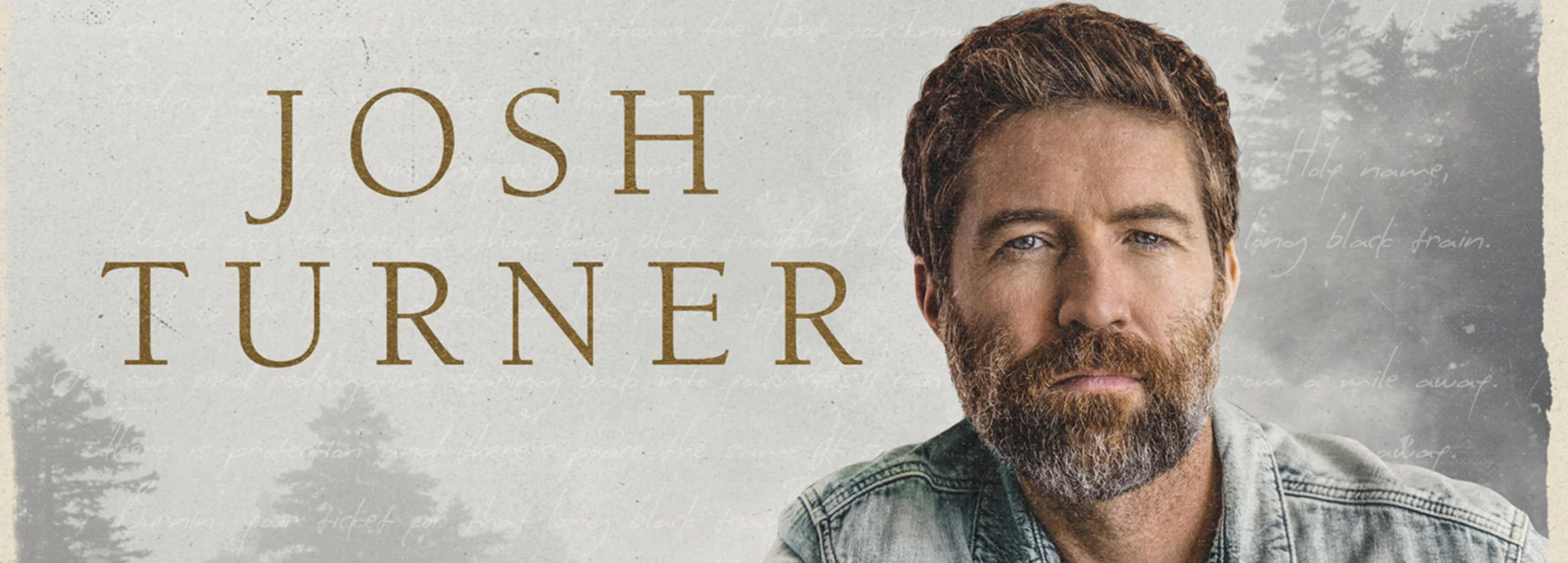
On “We Shall Rise”, Ralph Stanley’s mountain gospel met Josh Turner’s country baritone, and the distance between generations suddenly felt very small.
The recording at the center of this moment is Josh Turner’s guest vocal on “We Shall Rise”, featured on Ralph Stanley’s 2015 collaborative project Ralph Stanley & Friends: Man of Constant Sorrow. That context matters. This was not simply a younger country singer covering an old gospel piece, nor was it a late-career bluegrass elder lending his name to a polished Nashville exercise. The project gathered voices from the broader country, bluegrass, and roots-music world around Stanley’s presence, asking them to step toward his territory rather than pull him into theirs.
By 2015, Ralph Stanley was no longer just a famous name in bluegrass; he was one of the music’s living lines back to its earlier mountain language. With his brother Carter, he helped shape the sound of The Stanley Brothers in postwar bluegrass, and after Carter’s death in 1966 he carried that austere, piercing tradition forward with the Clinch Mountain Boys. His singing could be sharp, plain, prayerful, and nearly unadorned, built less around showmanship than around the pressure of belief. On a gospel song like “We Shall Rise”, that quality becomes central. The lyric looks past the ground beneath the feet toward resurrection and reunion, but Stanley’s way of delivering sacred material never floats away from the earth. It keeps the dust on its shoes.
Josh Turner arrives from a different public world. His breakthrough in mainstream country came in the early 2000s with “Long Black Train”, a song that already carried a moral and gospel shadow inside a commercial country frame. Turner’s voice is famously low, calm, and resonant; it can suggest certainty without raising its volume. Placed beside Stanley, that baritone does something important. It does not soften the older singer’s rougher edges, and it does not turn the performance into a showcase of vocal contrast for its own sake. Instead, it gives the hymn a foundation, a lower beam beneath Stanley’s high, weathered line.
That is why the collaboration feels so quietly powerful. Many guest appearances are built to announce themselves: the familiar voice enters, the arrangement makes room, and the listener is reminded of celebrity. “We Shall Rise” works in a humbler register. Turner sounds like someone joining a service already in progress. Stanley sounds like the keeper of a language that does not need decoration. Between them is not a competition but a shared posture, the sense of two men from different eras accepting the same song’s terms. The performance asks for restraint, and the restraint becomes its emotion.
“We Shall Rise” belongs to that long gospel tradition where repetition is not a limitation but a kind of gathering force. The promise in the title is simple enough to be sung by a congregation, yet in Stanley’s world simplicity rarely means ease. His music often placed hope and hardship side by side, letting neither cancel the other. Turner’s part honors that balance. He brings warmth and polish, but he does not over-smooth the road. The blend makes the recording feel like an intergenerational handshake: one voice carrying the lines of Appalachian gospel and bluegrass history, the other showing how that history still echoes inside modern country’s deepest register.
The title Man of Constant Sorrow carries its own weight in Stanley’s story. The traditional song had long associations with the Stanley Brothers and with the mountain repertoire that followed them into American memory. By naming the 2015 project after it, the album framed Stanley not merely as a guest-friendly elder statesman, but as a source. The invited artists were not there to make him relevant; they were there because the music had already traveled far enough to reach them. Turner’s appearance on “We Shall Rise” makes that point with unusual clarity. His voice does not pull the track into the present so much as reveal that the present was already listening.
Stanley died in 2016, which gives the recording a tender afterglow without requiring any invented farewell story. Heard now, the track belongs to that final stretch of public work in which Stanley’s voice could feel both fragile and immovable. Turner’s guest vocal becomes more than a tasteful collaboration; it becomes a reminder that tradition survives not by being sealed under glass, but by being sung with care by people who understand what they are touching. The beauty is in the respect. Nothing feels forced, exaggerated, or dragged into a different costume.
In the end, Ralph Stanley and Josh Turner meet on “We Shall Rise” at the place where genre labels begin to loosen: bluegrass, country, gospel, memory, and faith all drawing from the same well. The song’s power is not in surprise alone, though the contrast of their voices is striking. It is in the way the collaboration makes room for continuity. Stanley sounds like a man who has carried sacred songs through a long, hard landscape. Turner sounds like someone willing to lower his head and join the journey. For a few minutes, the old promise in the title is not merely performed; it is handed forward, voice to voice.
