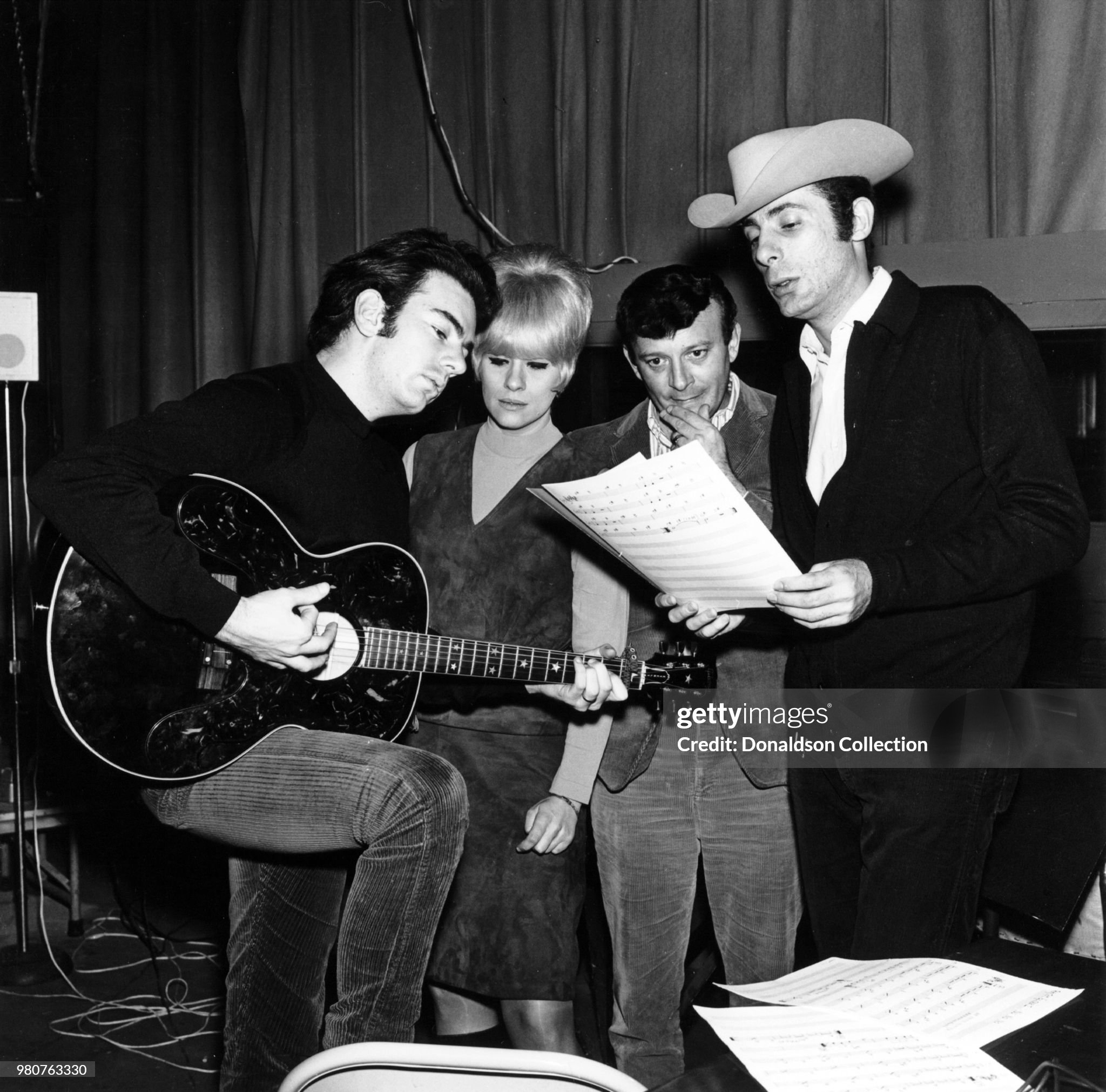
On Stones, Neil Diamond did not simply borrow Joni Mitchell’s brightness — he filtered “Chelsea Morning” through a voice already wrestling with solitude, fame, and home.
Neil Diamond recorded “Chelsea Morning” for his 1971 album Stones, placing a Joni Mitchell song inside one of the most revealing stretches of his early career. The album arrived the same year as “I Am… I Said”, a defining Diamond single built around displacement and self-questioning, and that context matters. Heard on Stones, “Chelsea Morning” is not just a pleasant cover tucked among originals and carefully chosen outside material. It becomes a small but telling act of interpretation: one songwriter with a dramatic, gravel-edged pop voice stepping into the color-drenched language of another songwriter whose work was helping reshape the possibilities of folk-influenced popular music.
“Chelsea Morning” had already established itself as one of Mitchell’s most vivid early compositions. She included it on her 1969 album Clouds, though the song had also traveled through other voices in the late 1960s, a period when Mitchell’s writing was being discovered and carried by performers drawn to its unusual mixture of conversational detail and painterly imagination. The song’s world is full of light: curtains, windows, milk, oranges, rainbows, sun pouring into a room. In Mitchell’s hands, it feels alert and almost airborne, a morning observed by someone whose eye turns ordinary domestic objects into emotional weather.
Diamond’s version on Stones changes the temperature without betraying the song. By 1971, his voice had become unmistakable — deep, urgent, a little rough at the edges, capable of sounding both commanding and wounded in the same phrase. Where Mitchell’s writing often seems to float between memory and immediate perception, Diamond tends to anchor a lyric in the body. He sings as if the words have weight. That is what makes his “Chelsea Morning” interesting: the song’s brightness remains, but it is carried by a singer who sounds less like he is waking into wonder than trying to let wonder reach him.
The placement on Stones gives the cover additional meaning. This was not a novelty choice or a casual run through a popular tune. Diamond’s albums of the period often revealed a performer thinking seriously about the language of song itself — how a lyric could be theatrical without becoming hollow, how a melody could aim for a broad audience while still carrying inward pressure. On Stones, he stands between the singer-songwriter movement and his own expanding identity as a major pop figure. Covering Joni Mitchell in that setting places him in conversation with the era’s quieter revolution: songs that trusted detail, ambiguity, and emotional intelligence rather than spectacle alone.
Mitchell’s composition also asks something different of Diamond. It is not built around the kind of grand declaration that suited many of his most famous recordings. “Chelsea Morning” moves through images, not proclamations. Its feeling is cumulative. A singer has to notice rather than announce. Diamond’s interpretive strength, then, lies in restraint. He does not erase the song’s delicacy, but he also cannot disappear into it. His baritone gives the morning a firmer outline. The room feels less like a watercolor and more like a place someone has entered after a long night of thought.
That contrast is the heart of the cover. Joni Mitchell wrote “Chelsea Morning” with a remarkable openness to color and motion, while Neil Diamond brings to it the emotional grain of a performer often associated with longing, restlessness, and hard-earned self-belief. In his reading, the cheerful imagery does not become simple happiness. It becomes an attempt at renewal. The sunlight is still there, but it falls across a different face.
Listening to the 1971 Stones recording now, one can hear a meeting of sensibilities rather than a competition. Diamond was not trying to become Mitchell, and the song was not trying to become a Neil Diamond anthem. Instead, the cover captures a moment when songs moved freely between artists, gathering new meanings as they traveled. A lyric born from Mitchell’s eye for luminous detail found another life in Diamond’s heavier, more earthbound delivery. That is the quiet reward of a strong cover: it does not replace the original. It reveals how much room the song had all along.
In the end, Neil Diamond’s “Chelsea Morning” on Stones feels like a window opened inside an album shadowed by questions of identity and belonging. The light comes in, but it does not erase the shadows. It makes them visible. And perhaps that is why this interpretation still has a particular pull: it lets a bright song sound thoughtful, and lets a forceful singer show how gently he could stand inside someone else’s morning.
