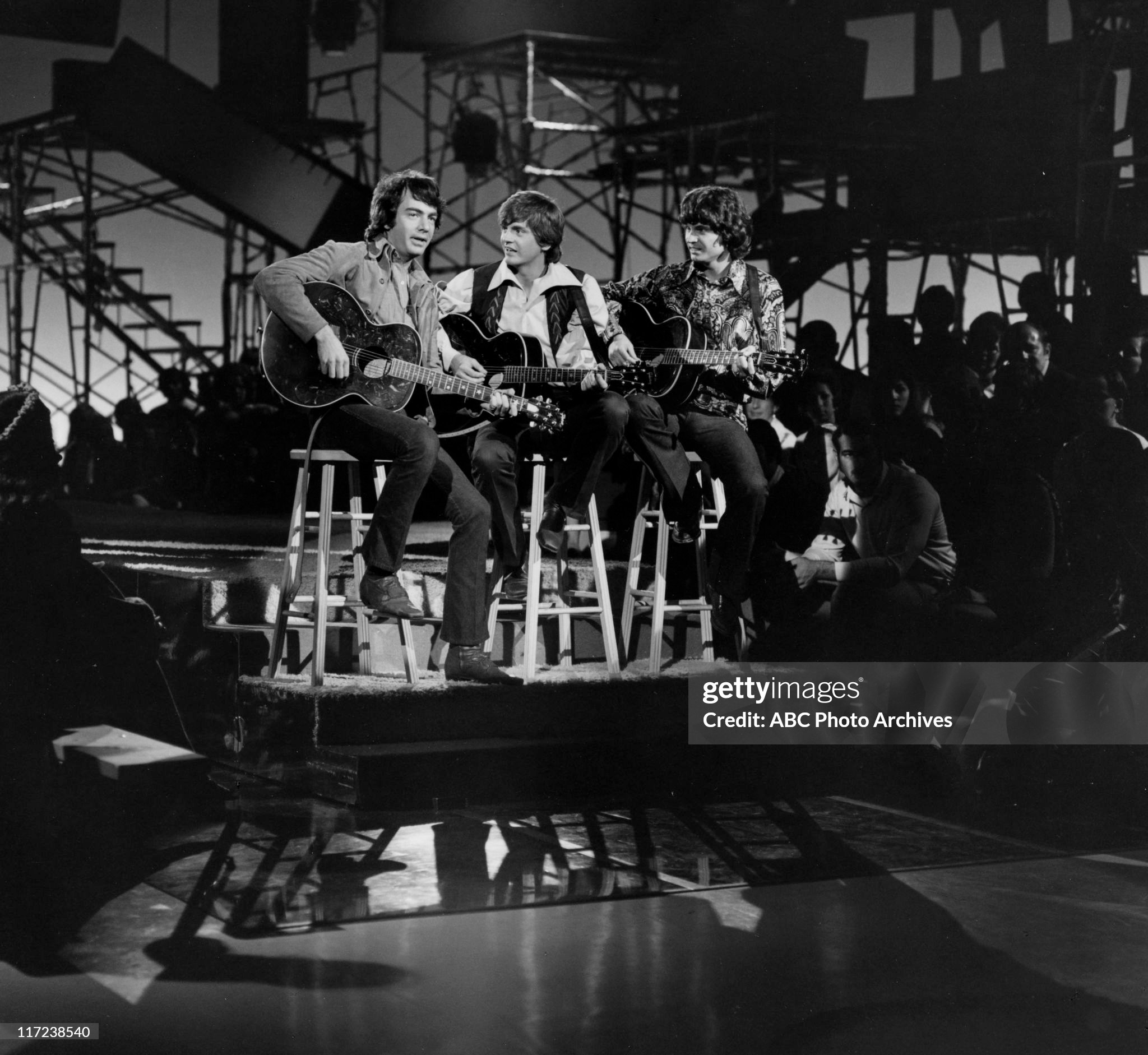
On Home Before Dark, Neil Diamond let late-career hunger breathe without disguise, and One More Bite of the Apple became one of the album’s most quietly revealing admissions.
One More Bite of the Apple appeared on Neil Diamond’s 2008 album Home Before Dark, a record produced by Rick Rubin and released after their 2005 collaboration 12 Songs. That context matters because the track is not simply another entry in Diamond’s long catalog; it belongs to a late-career chapter built around reduction, patience, and trust in the weathered authority of a voice. Rubin’s role was not to make Diamond sound smaller, but to clear away the excess so the songs could stand in the room with less armor.
By 2008, Neil Diamond no longer needed to prove he could command an arena, write a chorus that gathered strangers together, or turn plain language into communal feeling. He had already lived several musical lives: Brill Building craftsman, pop-rock hitmaker, theatrical showman, soundtrack storyteller, and concert institution. What Home Before Dark offered was something different. It asked what remained when the spotlight was not used to enlarge the singer, but to reveal the grain of the wood. The album went to No. 1 on the Billboard 200, giving Diamond his first U.S. chart-topping album, yet its emotional power often sits in its quieter corners.
One More Bite of the Apple is one of those corners. The title carries the plain force of appetite, but it is not a young man’s boast. It suggests a person who knows the sweetness, the risk, and the cost of wanting anything again. Diamond had always understood the drama inside simple phrases; here, the phrase does not need a grand frame. Under Rubin’s production, the song can feel close and unvarnished, with the arrangement leaving room for the lyric to breathe. The effect is not emptiness. It is concentration. Each space around the vocal seems to ask the listener to lean in rather than be swept along.
That restraint changes the way Diamond is heard. In earlier eras, his music often moved with bright theatrical lift, big strings, ringing hooks, and the confidence of a performer who knew how to fill every seat in the back row. On this Home Before Dark track, the scale is more intimate. The singer does not have to announce desire; he can examine it. He can let a line carry a little gravel, a little humor, a little ache, without turning the feeling into spectacle. The late-career setting gives the song its tension: the wish for one more taste is vivid because it arrives after experience, not before it.
Rubin’s best work with Diamond in this period understood that simplicity is not the same as plainness. A sparse setting can expose weakness if the writing is thin, but it can also make a seasoned song feel more direct. One More Bite of the Apple benefits from that exposure. The track does not try to compete with the best-known public monuments of Diamond’s songbook. Instead, it speaks in a smaller key about persistence. To want again, to reach again, to remain curious about life’s offered fruit after decades of applause and pressure, becomes its own kind of courage.
What makes the song linger is the way it resists easy nostalgia. It is not merely a veteran artist looking backward, nor is it a forced attempt to sound contemporary. It occupies a more interesting place: the present tense of an artist who has earned his memories but is not trapped inside them. Neil Diamond sounds aware of time, but not defeated by it; seasoned by history, but still awake to temptation, work, pleasure, and possibility. That is why One More Bite of the Apple feels essential to the emotional architecture of Home Before Dark. It turns late-career desire into something human-sized, direct, and quietly alive.
