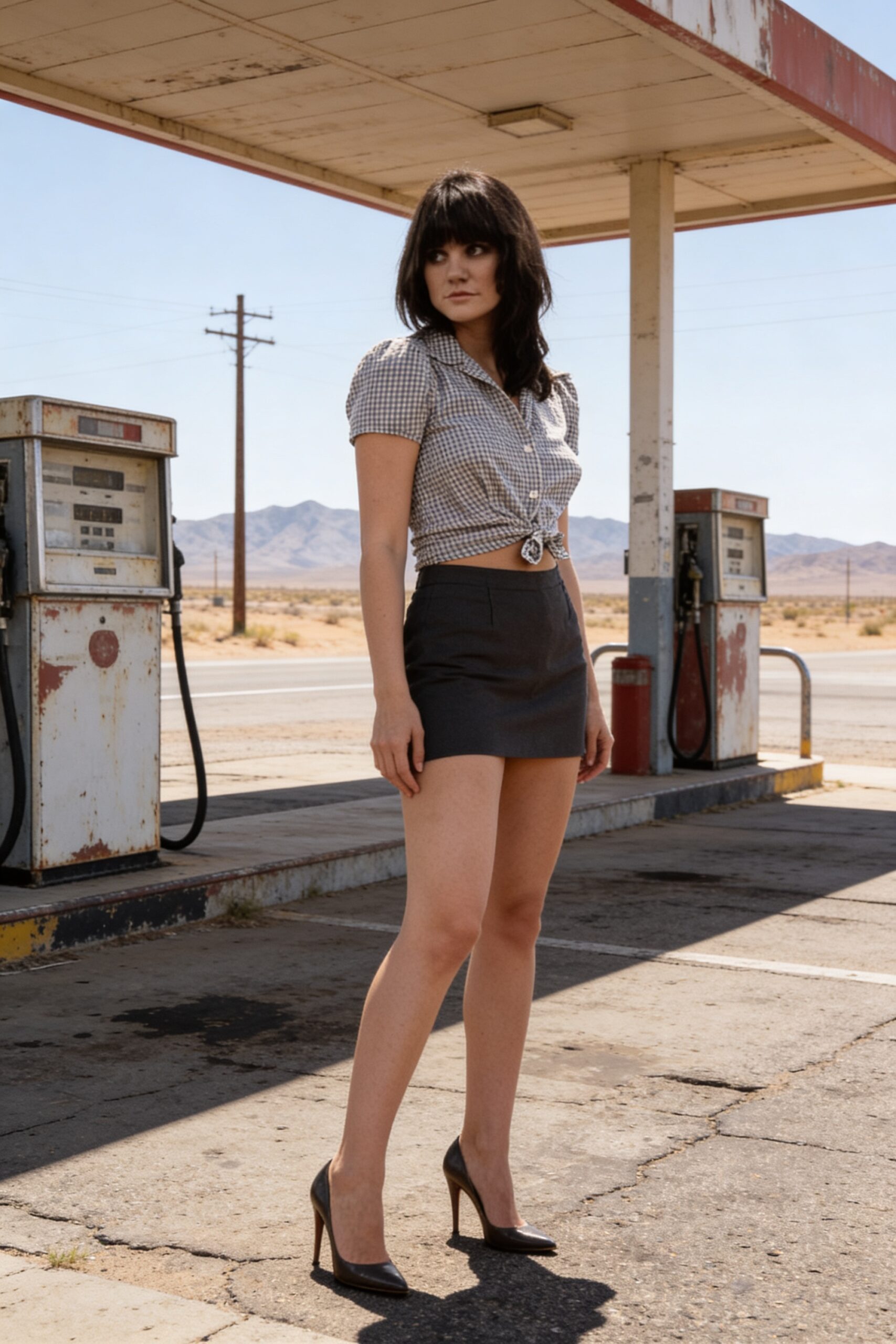
On Don’t Cry Now, Linda Ronstadt turns Rick Roberts’ “Colorado” into something larger than a country-folk album cut: a wide-open ache, a road song with the weight of hesitation in its voice.
When Linda Ronstadt recorded “Colorado” for her 1973 album Don’t Cry Now, she was standing in a fascinating in-between moment. She was already admired for the clarity of her voice and her feel for country rock, but she had not yet reached the commercial peak that would arrive with Heart Like a Wheel the following year. That makes Don’t Cry Now such an absorbing record to return to. It catches Ronstadt in motion, still shaping the emotional language that would soon make her one of the defining singers of the decade. In that setting, her version of Rick Roberts’ song becomes more than a simple cover. It sounds like a map of where she had been musically and where she was heading next.
Rick Roberts, known for his work in the country-rock world and for writing songs that carried both freedom and weariness, gave “Colorado” a natural western spaciousness. The title suggests geography, but the feeling runs deeper than place. In Ronstadt’s hands, “Colorado” becomes a song about distance itself: the kind that opens up on highways, in memory, in a relationship that may not be broken exactly, but no longer feels secure. She does not oversing it, and that restraint is the key to the performance. Rather than pushing the song into big emotion, she lets it travel at its own pace.
That is one of the quiet virtues of Don’t Cry Now. It is an album full of strong material, yet it often feels most revealing in the way Ronstadt approaches songs that might have seemed modest on paper. “Colorado” is built from familiar country-folk elements: steady rhythm, open-air melody, a sense of movement across a broad landscape. But Ronstadt hears the instability inside it. Her phrasing gives the song a human uncertainty, as if every line is balancing between comfort and departure. She sings with the kind of control that makes small choices matter. A held note lingers just long enough to suggest longing. A softened ending line sounds less like conclusion than acceptance.
What makes her reading especially effective is the way it avoids turning western imagery into postcard scenery. There is sky in this performance, and room, and weather, but none of it feels decorative. The arrangement supports that beautifully. It moves with an easy country-rock gait, never cluttered, never forced, allowing the vocal to carry the emotional center. This was one of Ronstadt’s great gifts: she could enter material connected to folk, country, rock, or pop and make the boundaries disappear. On “Colorado”, she does not choose between country tenderness and folk introspection. She brings both into the same breath.
That blend matters because Don’t Cry Now arrived during a rich period for California-rooted music, when singer-songwriters and country-rock bands were reshaping what emotional directness could sound like on record. Ronstadt belonged to that world, but she never sounded trapped by scene or style. Even on album tracks, she had a way of making a song feel personal without making it confessional in an obvious way. With “Colorado”, she gives the impression of someone looking out at a beautiful horizon while thinking about something unresolved. The song moves forward, but the feeling inside it circles back.
That emotional duality may be why the track stays with listeners. It has the ease of a road song, yet it carries a private weight that is harder to name. Ronstadt understood that some songs are strongest when they are allowed to remain slightly open. She does not close “Colorado” with certainty. She leaves some air around it, and that air becomes part of the meaning. You hear a singer deeply attentive to tone, to pacing, to the tension between warmth and loneliness. It is a performance that trusts the listener to feel what is not being underlined.
Looking back now, “Colorado” also reveals something essential about why Ronstadt’s early-1970s recordings continue to reward close listening. Before the biggest hits, before the broad public image had fully settled, there was this remarkable ability to illuminate strong songwriting with grace and emotional precision. She could make an album track feel like a private favorite, the kind of song discovered not through hype but through return. “Colorado” is exactly that kind of recording. It sits inside Don’t Cry Now with a calm confidence, not demanding attention, simply earning it.
And perhaps that is why it endures so quietly. Some performances feel built for immediate impact; others become part of your listening life by degrees. Ronstadt’s “Colorado” belongs to the second group. Its beauty is unhurried. Its sadness is not theatrical. Its landscape is emotional as much as physical. In just a few minutes, she turns a finely written song into a small western interior world, all distance, light, and unspoken doubt. Long after the track ends, what remains is not just the melody, but the feeling of standing still in a wide place, knowing that motion and longing are sometimes the same thing.
