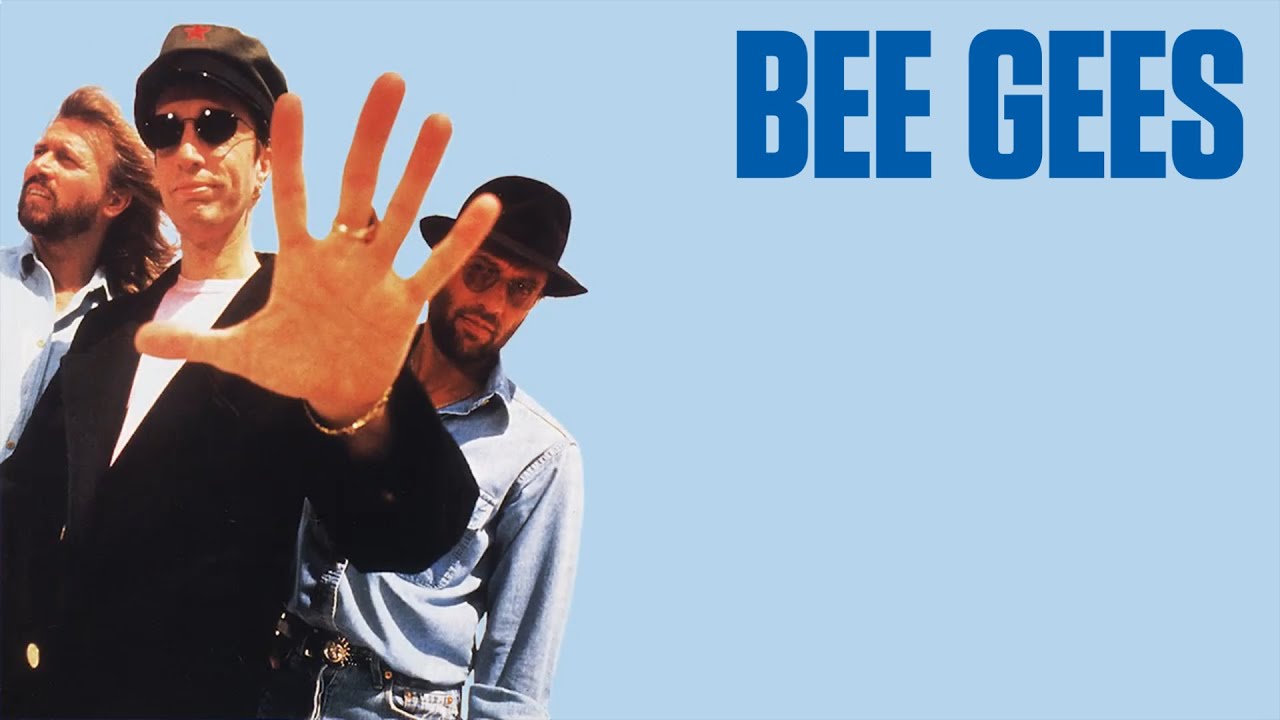
On an album remembered for rich harmonies and inward feeling, “Harry Braff” opens the throttle and reminds us how easily the Bee Gees could turn character, motion, and melody into something joyfully off-center.
Released on the 1968 album Horizontal, “Harry Braff” sits slightly outside the usual shorthand people use for the Bee Gees. This is not the grand melancholy of their most famous late-1960s ballads, and it has little to do with the polished dance-floor identity that would arrive years later. Instead, it is a brisk, upbeat story song built around a racing-driver figure, and that alone makes it revealing. In a catalog often discussed through emotional weight, vocal blend, and ornate pop craft, this track shows another side of the group: playful, nimble, and quietly rock-minded.
That matters because Horizontal came during a formative moment. The brothers had already established themselves as exceptional songwriters and unmistakable vocal stylists, but they were still showing just how wide their instincts could be. The album followed the early international breakthrough period and captured a band that could move between introspection and theatricality, between soft-focus melody and sharper rhythmic drive. “Harry Braff” feels like part of that larger picture. It may be a deep cut, but it helps explain why the early Bee Gees were never as narrow as their reputation sometimes suggests.
What makes the song so engaging is its sense of motion. Even before one starts parsing the lyrics, the performance carries a forward push that suits the image of speed and competition. The arrangement has a compact energy to it, less delicate than some of the group’s more celebrated recordings from the same era. There is bounce in the rhythm, snap in the playing, and a feeling that the song enjoys its own momentum. Rather than lingering in atmosphere, it moves. That movement becomes part of the storytelling. You can feel the road, the crowd, the flash of personality that comes with a song built around a named character.
The Bee Gees were always gifted at giving songs dramatic identity, and here they do it without turning heavy. “Harry Braff” has charm because it sounds as though the band is relishing the act of drawing a figure in quick lines. The title itself is memorable, slightly eccentric, and very much in keeping with a period when pop songwriting could still delight in characters, scenes, and compact little worlds. In that sense, the song belongs to a broader 1960s tradition of narrative pop, yet it also carries the Gibbs’ own stamp: tight melodic discipline, vocal color, and a refusal to let even a lighter idea feel careless.
That early rock-leaning versatility is the real story. The Bee Gees could write with tenderness and ache, but they also understood attack, pace, and the pleasure of a well-turned pop-rock arrangement. Listening to “Harry Braff” now, you can hear how comfortable they were in that space. The song does not sound like a novelty tossed into the running order. It sounds like evidence. Evidence that the group’s musical imagination was broader than the few songs history most often pulls forward. Evidence that Horizontal was not simply a vessel for mood, but also a place where character songs and energetic detours could thrive.
There is also something appealing about the contrast the track creates within the album era itself. So much of the late-1960s Bee Gees story is wrapped in emotional seriousness, ornate production choices, and the near-mystical blend of the brothers’ voices. “Harry Braff” does not reject any of that talent; it redirects it. The craft is still there, only now it is serving motion rather than meditation. That shift in emphasis lets the listener hear the band with fresh ears. Not softer, not sadder, not grander—just faster, brighter, and more mischievous.
Deep cuts often survive because they fill in the human picture. They remind us that major artists were not built only from signature singles, but from experiments, side roads, and moments when instinct outran image. “Harry Braff” is one of those moments for the Bee Gees. It catches them enjoying speed, narrative, and a more muscular pop touch on Horizontal, and in doing so it makes the album feel even richer. The song may not dominate the usual retrospectives, but it widens the frame. It lets us hear a band still becoming itself, already gifted, already distinctive, and still eager enough to take a sharp turn just to see how good the ride could feel.
