A Lone Hero’s Echo Across the Ages: The Enduring Elegy of a Sacred Stand
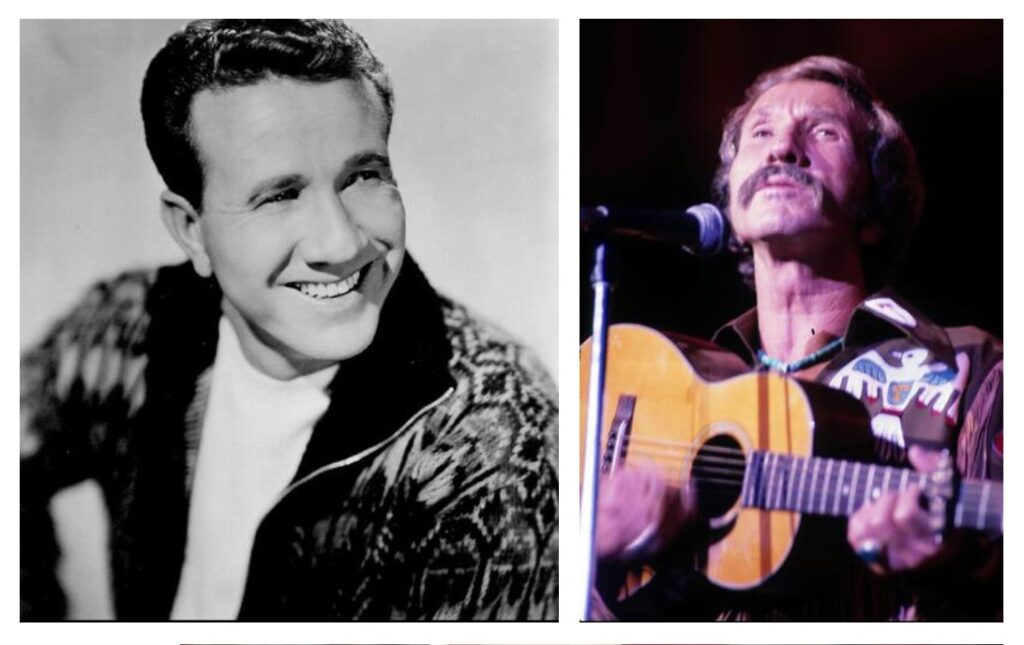
In 1960, Marty Robbins released “Ballad of the Alamo,” a haunting tribute to one of America’s most storied battles. Featured on his album ‘More Greatest Hits’, this track climbed into the Top 40, etching its place in the annals of country music history. At the time, Robbins was already a formidable presence in the genre, celebrated for his evocative storytelling and captivating voice. With this song, he not only fortified his standing as a storyteller of epic proportions but also tapped into a collective memory that resonates with the themes of sacrifice, valor, and the relentless passage of time.
“Ballad of the Alamo” unfolds as an auditory monument to the pivotal 1836 battle at the Alamo Mission in San Antonio. As Robbins intones each verse, he channels the spectral echoes of that historical conflict, where a small group of Texan defenders held out against overwhelming Mexican forces led by General Santa Anna. In his lyrical narrative, Robbins captures the ethos of defiance and the profound melancholy that envelops tales of noble yet doomed stands.
The creative origins of this ballad trace back to Robbins’ deep appreciation for Western lore and his uncanny ability to weave historical events into poignant musical tapestries. Known for his affinity towards cowboy ballads and frontier narratives, Robbins’ choice to immortalize the Alamo’s defenders was both natural and inspired. His portrayal is neither revisionist nor overly romanticized; instead, it serves as an homage to a bygone era where ideals were often etched in blood and sacrifice.
Musically, “Ballad of the Alamo” is quintessential Robbins. The song melds elements of traditional country with folk influences, underscored by sweeping orchestral arrangements that amplify its epic scope. The solemnity in Robbins’ vocal delivery accentuates the gravity of the battle he recounts—a storytelling method that is both evocative and reverential. His ability to evoke vivid imagery through his lyrics is particularly striking; listeners can almost hear the clash of arms and feel the palpable tension between hope and inevitable defeat.
Lyrically, Robbins masterfully navigates themes of courage and futility. Lines reflecting on “the thundering cannons roar” juxtaposed with “the lonely night” echo the stark contrast between human bravery and existential solitude. There’s an emotional resonance embedded within every phrase—a reflection on both personal valor and communal loss that transcends mere historical recounting to touch upon universal truths about the human condition.
For Marty Robbins, whose career was defined by versatility and depth, “Ballad of the Alamo” was more than just another song; it was a declaration of his artistic ambition to transform historical events into universally relatable stories. His ability to connect emotionally with audiences through tales from yesteryears has solidified his legacy as one of country music’s most adept narrators.
The cultural significance of “Ballad of the Alamo” extends beyond its chart performance or its contribution to Robbins’ storied discography. It encapsulates a period when American songwriting often looked back at history to forge connections with contemporary audiences—when songs were vessels carrying forward our collective heritage while also reflecting on current existential dilemmas.
Listening today, one finds that Robbins’ elegy remains as poignant as ever, stirring reflections on sacrifice and remembrance amidst an ever-evolving world. It stands as an enduring testament to a singular moment in American history while also capturing something profoundly eternal about human bravery—an echo that continues to resonate across generations. Through “Ballad of the Alamo,” Marty Robbins doesn’t just recount history; he immortalizes it with grace and profound emotional depth, inviting listeners to pause and reflect on what it truly means to stand one’s ground against insurmountable odds.
