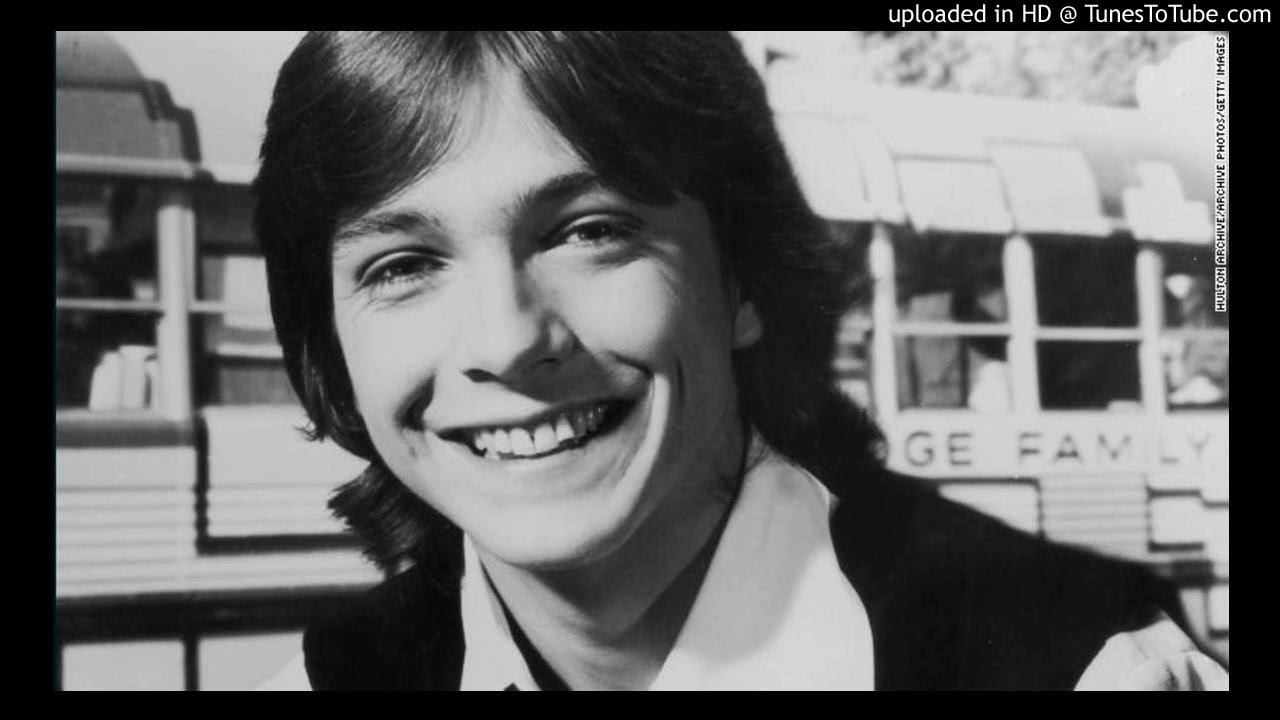
On a debut album built for instant television fame, Point Me in the Direction of Albuquerque quietly proved that David Cassidy could do something deeper than sell a hook: he could carry a story, a destination, and a feeling of longing all at once.
When The Partridge Family arrived in 1970, the spotlight naturally fell on the biggest sensation in the room. I Think I Love You became a No. 1 hit on the Billboard Hot 100, and The Partridge Family Album climbed into the Billboard Top 10. In that kind of success story, a track like Point Me in the Direction of Albuquerque could easily be overlooked. It was not the chart headline, and it was not pushed as the signature anthem. But listened to carefully now, it feels like one of the most revealing performances on that debut record, an early sign that David Cassidy was more than a photogenic frontman in a television phenomenon. He already had the instinct of a storyteller.
That matters because The Partridge Family was always a curious blend of fantasy and reality. On television, America saw a cheerful musical family rolling from town to town. On record, the sound was crafted with the efficiency of Los Angeles pop professionalism, guided by producer Wes Farrell and backed by seasoned studio musicians and vocalists. It would have been easy for those records to become pleasant, disposable artifacts of a moment. Instead, songs like Point Me in the Direction of Albuquerque gave the project something warmer and more lasting. They let David Cassidy sound not just energetic, but emotionally present.
What makes this song so appealing is its movement. Even before one begins to think about technique, the song gives off the feeling of wheels turning, signs passing, and a restless mind searching for the next place that might finally feel right. Albuquerque is not merely a dot on the map here. In the tradition of great travel songs, it becomes a symbol of escape, hope, reinvention, and the simple human urge to keep going. That is where Cassidy’s performance becomes crucial. He does not oversing the lyric, and he does not lean so heavily into sweetness that the song loses shape. He sings it as if he understands the emotional logic of the journey. He sounds like someone who needs to arrive somewhere, not just someone reciting a charming title.
That is the real showcase. Plenty of pop singers can make a melody pleasant. Fewer can anchor a narrative-driven song so that the listener feels carried from line to line. David Cassidy does that here with a voice that was still young, bright, and unmistakably accessible, yet already capable of shading a lyric with intention. There is a light touch in his phrasing, but there is also direction. He knows where the song is headed. He gives the words motion. He makes the journey believable.
It is also worth remembering where this performance sat in Cassidy’s career timeline. In 1970, he was just beginning the climb into full-scale teen-idol fame. The posters, magazine covers, and public frenzy would soon become inseparable from his name. That image, powerful as it was, sometimes hid the simpler musical truth: he had genuine interpretive skill. On Point Me in the Direction of Albuquerque, you can hear that skill before it was buried beneath the noise of celebrity. He is not trying to overwhelm the listener. He is trying to guide the listener. That distinction is exactly why the performance still feels fresh.
Musically, the track sits in a sweet spot that The Partridge Family handled especially well in its early period: polished pop with just enough country and road-song flavor to suggest open space beyond the studio walls. The arrangement is breezy, tuneful, and easy on the ear, but it is not empty. The rhythm pushes forward with a traveler’s pulse, while the backing vocals help frame the song without taking its center away. That leaves Cassidy in the most important position of all: the human voice at the middle of the motion. He becomes the thread that holds the picture together.
There is something touching, too, about how naturally he fits this kind of material. The song asks for clarity more than vocal fireworks. It needs someone who can sound eager, wistful, and grounded in the same breath. Cassidy brings exactly that balance. He gives the impression of someone looking out at the road ahead with optimism, while also carrying a faint trace of loneliness that keeps the performance from becoming too neat. That emotional blend is why the song lingers. It feels lived in, even within the polished world of early-1970s pop television.
For many listeners, the great pleasure of revisiting The Partridge Family Album is discovering that the so-called deep cuts often reveal more than the famous singles do. Point Me in the Direction of Albuquerque is one of those songs. It reminds us that the early appeal of David Cassidy was not only charisma, beauty, or youth. It was his ability to make a carefully manufactured pop setting feel personal. He could step into a lyric and give it just enough sincerity that it stopped feeling manufactured at all.
So while this song never became the chart-defining moment that I Think I Love You was, its importance is easy to hear today. It captures the exact point where a television creation and a real vocalist met in the same groove. It shows a singer learning how to command a scene through tone, pacing, and emotional instinct. And in that sense, Point Me in the Direction of Albuquerque remains one of the most quietly revealing performances of David Cassidy’s early career: not the loudest statement, perhaps, but one of the clearest.
