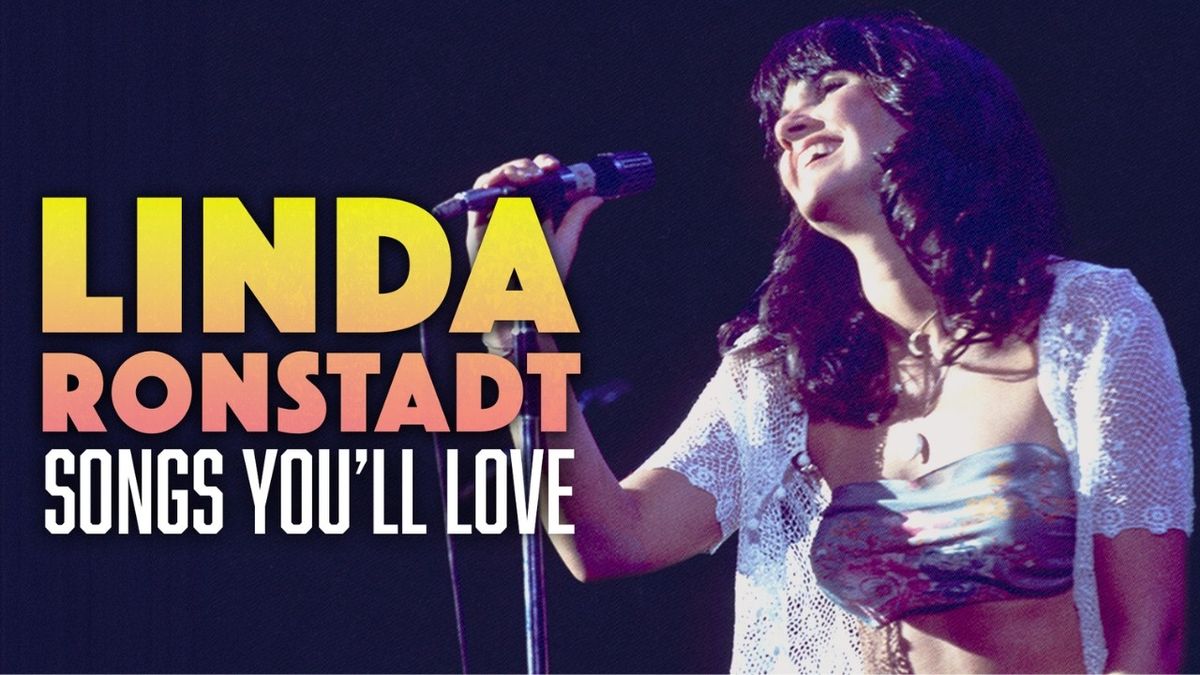
On Under African Skies, Linda Ronstadt did not step into Paul Simon‘s world to overpower it. She stepped in to deepen it, helping turn one of Graceland‘s most reflective songs into a genuine act of musical conversation.
When Paul Simon released Graceland in 1986, the album did far more than introduce a new chapter in his career. It became one of the defining records of its decade, rising to No. 3 on the Billboard 200, reaching No. 1 on the UK Albums Chart, and later winning the Grammy Award for Album of the Year. Much of the public attention understandably gathered around songs such as You Can Call Me Al and Diamonds on the Soles of Her Shoes. But tucked inside the album was a quieter, more intimate piece of artistry: Under African Skies, made even more memorable by the guest vocals of Linda Ronstadt.
That collaboration remains one of the loveliest details in all of Graceland. It is not flashy. It is not built around vocal competition. No one is trying to seize the spotlight. Instead, what listeners hear is something older and rarer: two seasoned artists understanding that a song can become richer when each voice leaves room for the other. In an era when guest appearances often announce themselves with great fanfare, Ronstadt‘s contribution to Under African Skies still feels almost miraculous for its restraint.
The backstory matters. Graceland grew out of Simon‘s interest in South African music, especially the rhythmic life and guitar textures that he encountered through sessions with South African musicians in Johannesburg in 1985. The album would become both celebrated and debated because those sessions took place during the apartheid era, when a cultural boycott of South Africa was in effect. That history cannot be ignored, and it remains part of any honest discussion of Graceland. Yet within the music itself, Under African Skies stands as one of the clearest expressions of what Simon was pursuing artistically: a song about memory, ancestry, rhythm, and the deep roots that survive fashion, distance, and time.
Lyrically, the song is full of reverence. The line about the roots of rhythm remaining is one of the key ideas not only of Under African Skies but of Graceland as a whole. This is not a song built on spectacle. It is built on recognition. Simon sings as someone listening for an older pulse beneath modern life, something elemental and enduring. That makes Linda Ronstadt‘s presence especially important. Her voice does not interrupt the song’s meaning; it embodies it. She arrives with warmth, clarity, and an almost conversational grace, giving the track another human dimension. If Simon sounds like the thoughtful narrator, Ronstadt sounds like the answering voice that makes the song feel shared.
By 1986, Linda Ronstadt was already one of the most accomplished singers in American popular music. She had moved through rock, country, pop, folk, and standards with remarkable ease, and one of her greatest strengths was always emotional precision. She knew when to soar, but she also knew when to hold back. On Under African Skies, that instinct is everything. She does not sing the song as if it belongs to her alone. She blends, shades, and lifts. Her guest vocal adds brightness without breaking the song’s reflective mood. It is the sound of a great singer trusting the song more than her own reputation.
That is why the collaboration lasts in the memory. Many listeners first remember Under African Skies as a feeling before they recall its exact structure. They remember the warmth of it, the openness of it, the sense that the record suddenly breathes a little differently. Ronstadt‘s tone helps create that sensation. Her voice brings an American familiarity to a song rooted in Graceland‘s South African musical language, and that meeting of textures gives the recording much of its quiet power. It sounds less like an addition and more like a bridge.
There is also something deeply moving about how modest the performance is. Under African Skies was never the album’s big chart single, and perhaps that has helped preserve its special place. It was not worn out by overexposure. It remained available for discovery, the kind of track people return to years later and suddenly hear with fresh ears. In that setting, Linda Ronstadt‘s appearance feels even more precious. She is not there for novelty. She is there because her voice carries tenderness, and this song needed tenderness.
For admirers of collaboration, Under African Skies offers a lesson that still feels worth holding onto. Great partnerships are not always about dramatic contrast. Sometimes they are about trust, proportion, and taste. Paul Simon brought the song’s reflective architecture. Linda Ronstadt brought radiance and emotional ease. Together, they made a recording that still feels weightless and grounded at the same time.
Decades later, that may be the true beauty of this performance. On an album famous for its movement across borders, styles, and traditions, Under African Skies remains one of its gentlest human moments. And within that moment, Linda Ronstadt‘s guest vocal is not a side note to history. It is one of the reasons the song continues to glow.
