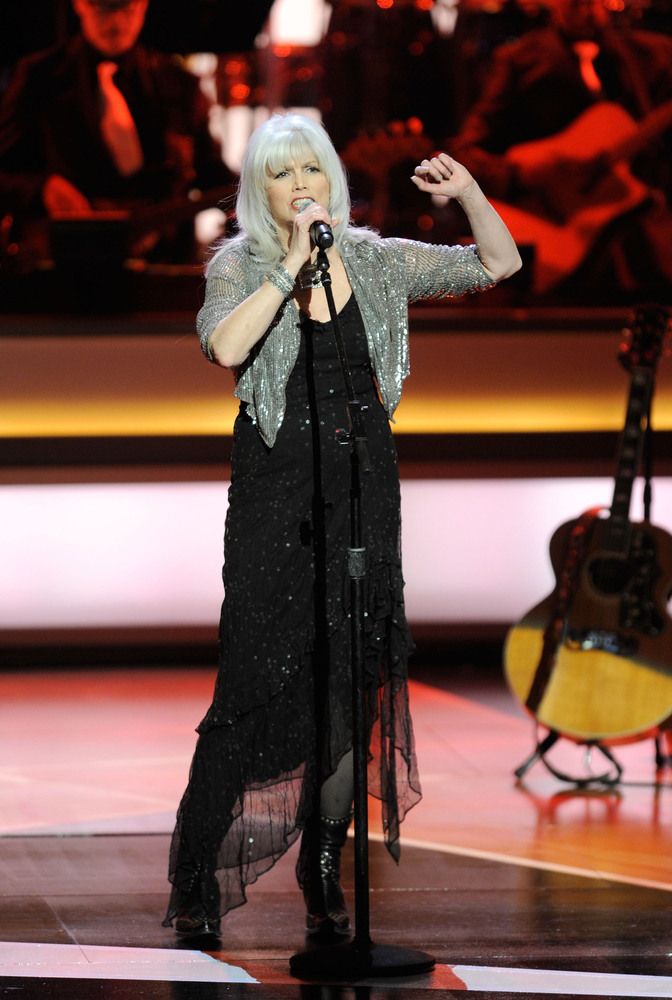
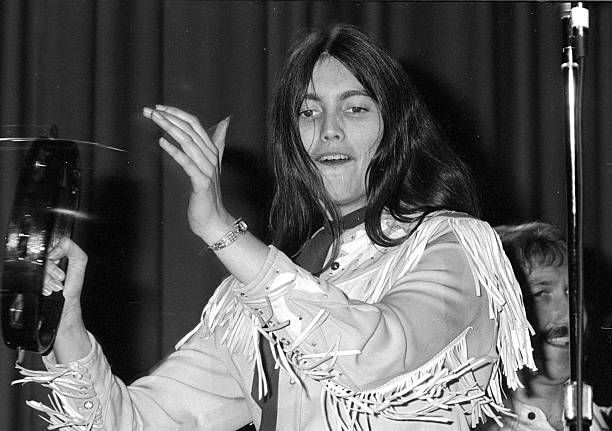
The Sweetheart of the Rodeo is more than a country title in rhinestones; in Emmylou Harris it becomes a tender reflection on image, memory, and the long trail between public legend and private feeling.
There are songs that arrive with chart numbers, radio momentum, and an easy public identity. Then there are songs like The Sweetheart of the Rodeo, which live in a more intimate place. In commercial terms, it was not one of Emmylou Harris’s defining Billboard country hit singles, and it is better remembered as a richly symbolic recording than as a major chart climber. That, in some ways, is exactly why it has lasted. Its power does not depend on loud success. It depends on history, association, and the singular emotional intelligence Harris brought to nearly everything she touched.
To understand why The Sweetheart of the Rodeo carries such resonance, one has to begin with the phrase itself. “Sweetheart of the rodeo” is not merely a romantic or western image. In country-rock history, it immediately recalls Sweetheart of the Rodeo, the landmark 1968 album by The Byrds, the record so deeply associated with Gram Parsons and the turning of rock music toward old-country forms, traditional songs, and rural feeling. That connection matters enormously in the world of Emmylou Harris. Few artists carried Parsons’ musical spirit forward with more grace, discipline, and heart than she did. So when Harris sings around that language, it does not feel casual. It feels lived in. It feels earned.
By the mid-1980s, Harris was no longer simply the luminous interpreter who had brought elegance to songs by others. She was entering a more reflective and personal phase, especially around The Ballad of Sally Rose, the 1985 concept album that marked a major shift in her artistic voice. That project, built around a mythic western narrative, allowed her to refract autobiography through storytelling. Whether heard directly through that creative period or through the larger arc of her work, The Sweetheart of the Rodeo belongs to that same emotional landscape: dust, longing, reinvention, and the strange distance between the woman on the stage and the woman inside the song.
That is one of the loveliest truths in The Sweetheart of the Rodeo. On the surface, the title suggests admiration, glamour, maybe even celebrity in boots and fringe. But Harris never sings such material as if glamour were enough. She always searches for the weather inside it. In her hands, the “sweetheart” figure is not just a decorative western queen. She becomes a symbol of performance itself, of being seen, named, and admired while carrying the much more complicated weight of experience underneath. The rodeo image is bright, but Harris lets you feel the loneliness behind the lights, the miles behind the smile, and the ache behind the legend.
Musically, that emotional tension is exactly where Emmylou Harris was so often unmatched. She could take a song rooted in classic country imagery and make it feel suspended between eras. There is usually movement in her recordings, but never hurry. There is polish, but never coldness. And there is always that voice: clear, high, sorrow-touched, and uncannily honest. In a song like The Sweetheart of the Rodeo, the arrangement naturally invites the textures listeners cherish in Harris’ work—steel guitar shimmer, measured rhythm, the open-road spaciousness of country storytelling—but what lingers longest is her phrasing. She does not merely sing a part. She inhabits the woman the title implies.
The deeper meaning of the song rests in that contrast between myth and reality. Country music has always loved icons: the drifter, the ramblin’ heart, the rodeo queen, the faithful lover, the one who stays, the one who slips away. But Harris has long understood that the most enduring country songs are not about the icon itself. They are about the human cost of carrying that icon. The Sweetheart of the Rodeo can be heard as a meditation on that very burden. It looks at the romance of western identity and quietly asks what remains when the applause fades and the road grows long again.
For longtime admirers of Emmylou Harris, the song also opens a larger emotional door. Her career has always stood at a remarkable crossroads: traditional country, folk poetry, cosmic American music, and the enduring influence of Gram Parsons. She did not simply preserve that lineage. She refined it. She gave it elegance, fidelity, and emotional steadiness. That is why a title like The Sweetheart of the Rodeo feels so charged in her catalogue. It is not only a western phrase. It is a key to an entire musical inheritance.
And perhaps that is why the song continues to speak so quietly, and so deeply. It reminds us that some recordings are not built to dominate the charts. They are built to stay beside us. They gather meaning with time. They draw strength from memory. In Emmylou Harris’s hands, The Sweetheart of the Rodeo is not just a portrait of country beauty or frontier romance. It is a song about identity, about what music remembers, and about the soft, durable grace of an artist who understood that the truest country feeling is rarely loud. It is steady. It is weathered. And it stays with you long after the last note has disappeared into the air.
